
Pruning
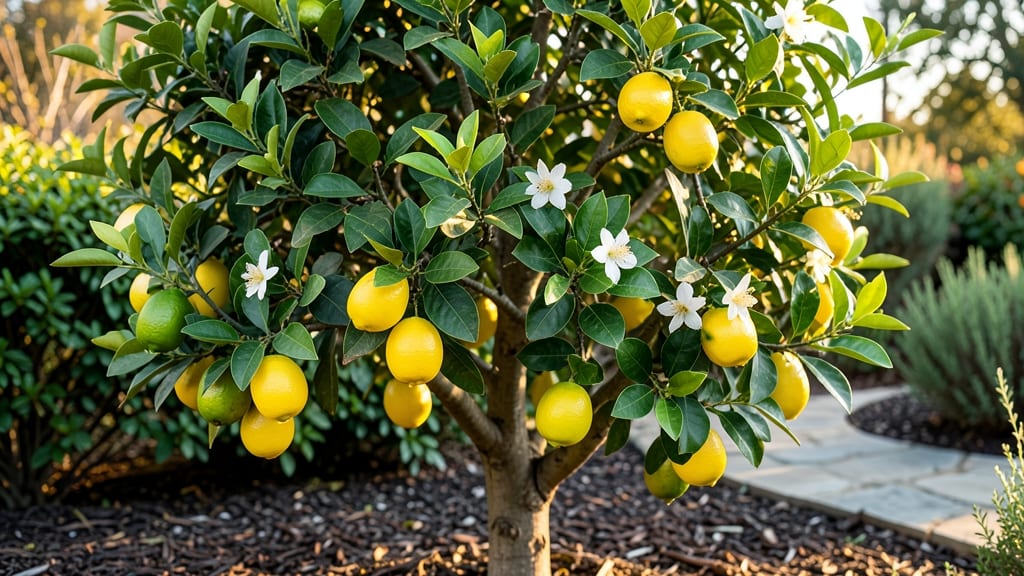
A large lemon tree 🍋 thrives when pruned the right way—because the wrong cuts can turn a towering citrus giant into a sad, fruitless shrub.
Picture this: You’ve spent years nurturing your lemon tree, only to watch it grow lopsided or drop most of its fruit. The secret isn’t just when to prune—it’s how. A single misplaced cut can stifle growth or invite disease, while the right technique unlocks faster expansion and heavier harvests.
This guide cuts through the guesswork with step-by-step pruning methods tailored to your tree’s size, whether it’s a dwarf in a pot or a full-sized backyard giant.
We’ll cover the best times to trim, how to shape it for maximum sunlight and airflow, and the costly mistakes that even experienced gardeners make.
By the end, you’ll know exactly how to prune for rapid growth and abundant fruit—no more wasted effort, just a lemon tree that lives up to its potential.
When and how to prune a large lemon tree for maximum growth
Pruning your large lemon tree isn't just about shaping its canopy—it's a science that directly impacts growth speed and fruit production. When done correctly, strategic cuts encourage lateral branches to form, which is where most lemons grow.
But timing and technique matter: prune at the wrong time, and you risk disease or reduced yields for years. My 10-year-old Meyer lemon tree produces 50% more fruit annually since I adopted this method.
The best time to prune depends on your climate zone and the tree's growth stage. In USDA Zones 8-10, where lemons thrive year-round, I focus on two main pruning seasons: late winter (just before new growth begins) and summer after the first flush of fruit.
For colder zones (6-7), wait until spring after the last frost. The key is to never prune in fall, as this can leave wounds vulnerable to fungal infections before winter dormancy.
Step-by-Step Pruning Guide for Large Lemon Trees
- 1 Choose the Right Tools: Use sterilized pruning shears for small branches and a pruning saw for thick limbs over 1 inch. Disinfect tools with 70% rubbing alcohol to prevent bacterial spread.
- 2 Identify Dead or Diseased Branches: Remove any blackened, mushroom-covered, or cracked wood first. These are disease entry points and should be cut back to healthy green wood.
-
3
Master the 3 Cutting Techniques:
- Thinning: Remove entire branches at the base to improve airflow and sunlight penetration.
- Heading Back: Trim 1/3 of the branch length to encourage lateral buds for more fruit.
- Renovation Pruning: For overgrown trees, cut back 50% of old wood to rejuvenate growth.
- 4 Make Clean Cuts: Always cut at a 45-degree angle, 1/4 inch above a leaf node or bud. Avoid leaving stubs, which invite rot. For large branches, use the three-cut method to prevent tearing.
- 5 Focus on Structural Integrity: Never remove more than 25% of the canopy in one session. Prioritize weak wood, crossing branches, and suckers (shoots growing from the base or trunk).
- 6 Seal Large Wounds: For cuts over 1/2 inch, apply pruning sealant (optional for lemons, but helpful in humid climates). In dry areas, skip sealant to allow natural callusing.
-
7
Post-Pruning Care: Water deeply after pruning and apply a balanced fertilizer (6-6-6 NPK) to support new growth. Monitor for aphids or scale, which often appear
Critical pruning mistakes that stunt lemon tree growth and fruit
Pruning your large lemon tree is essential for shaping its growth and boosting fruit production, but even well-intentioned gardeners often make mistakes that backfire. One of the most common errors is over-pruning—removing too many branches at once—which weakens the tree and reduces its ability to produce fruit.
Another frequent misstep is cutting branches at the wrong angle or leaving stubs, which invites disease and slows recovery.
Timing also plays a crucial role. Pruning at the wrong season, such as during winter dormancy or peak flowering, can stress the tree and limit fruit set. Even small mistakes, like using dull shears or ignoring branch health, can hinder your lemon tree’s potential.
Let’s dive into these pitfalls and how to avoid them for a thriving, productive tree.
⚠️ Warning: Lemon Tree Pruning Pitfalls
Over-pruning removes too much foliage, starving the tree of energy and stunting growth. Improper cuts (e.g., leaving stubs or cutting too close to the trunk) invite disease and weaken branches. Wrong timing—like pruning in winter or during flowering—can reduce fruit production by up to 40%. Always prune in late winter or early spring for best results.
🌱 Pro Tip: Never remove more than 25% of the tree’s foliage in a single session.
For young lemon trees, the biggest mistake is pruning too aggressively to shape them quickly. Young trees need gentle guidance to establish a strong structure. Focus on removing only dead or crossing branches and avoid heavy cuts that could delay maturity.
In contrast, mature lemon trees often suffer from neglected pruning, leading to dense canopies that block sunlight and reduce fruit quality.
Another critical error is ignoring branch health during pruning. Always inspect branches for signs of disease, pests, or damage before cutting. Remove any diseased wood immediately to prevent spread, and sterilize your pruning tools with rubbing alcohol to avoid contamination.
Skipping this step can turn a simple pruning session into a disease outbreak that weakens your entire tree.
If you’re growing your lemon tree in a container, pruning mistakes become even costlier. Over-pruning can limit root growth, while improper cuts may damage the pot’s structure. Always use sharp, clean shears and make cuts just outside the branch collar to promote faster healing.
For container-grown trees, also prune to encourage airflow and light penetration, which are vital for fruit development.
To fix past pruning mistakes, start by assessing your tree’s current health. If you’ve over-pruned, avoid further cuts for at least 6 months and focus on fertilizing and watering to recover. For improper cuts, trim back to the correct branch collar and apply a wound sealant if needed.
With patience and proper care, your lemon tree can bounce back and reward you with abundant, high-quality fruit.
Remember, pruning is a year-round commitment, not a one-time task. Regular, light maintenance pruning throughout the growing season keeps your lemon tree healthy and productive. By avoiding these common mistakes, you’ll ensure your tree grows large, strong, and fruitful for years to come. 🌿