
Pests
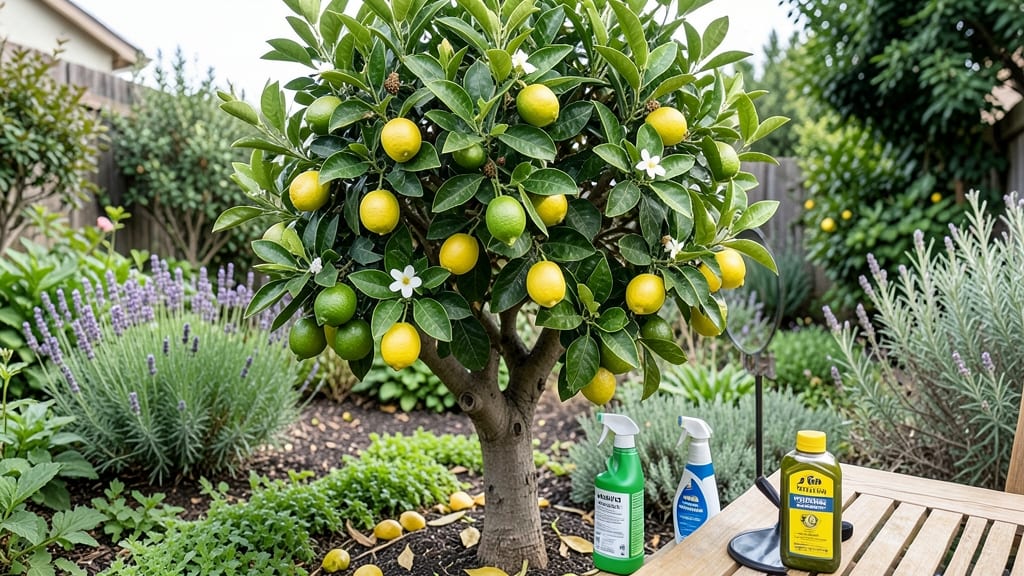
Indoor citrus trees attract pests like scale, mealybugs, and spider mites—tiny invaders that turn glossy leaves into sticky, yellowing messes in weeks. 🌿 I’ve battled these crawlers and sap-suckers in my Meyer lemon, and the key to saving your tree is acting fast before they spread.
These pests thrive when humidity drops and air feels stale, so the first step isn’t even a spray—it’s adjusting your plant’s environment.
The moment you spot white cottony clusters or sticky residue on leaves, isolate the tree to stop the infestation from jumping to houseplants.
A damp cloth wipe-down removes some pests, but for stubborn crawlers, neem oil spray (1 tsp per quart of water) works in 24-48 hours—it disrupts their life cycle without harming your tree.
For severe cases, insecticidal soap (like Safer’s) delivers fast knockdown, but test on a small leaf first.
What you’ll end up with is a tree that looks healthy and pest-free within a week, not the sad, defoliated skeleton you might fear.
The secret? Consistency: reapply sprays every 5-7 days until new growth appears, then focus on humidity control (pebble trays help) and regular leaf checks to catch pests early. My tree now thrives year-round, and the worst part is just the occasional spray session.
This method works for all indoor citrus—limes, oranges, even dwarf varieties—no matter your space. The only tools you need are what you already have (or can grab at the garden center). Let’s get those pests gone for good.
Root Causes of Citrus Tree Pests
Indoor citrus trees may seem like low-maintenance plants, but they’re actually magnets for pests—especially when conditions align just right. Understanding the why behind these infestations is key to preventing them before they take hold. Let’s break down the most common triggers.
🌬️ Why it happens: Stagnant air creates a cozy, humid microclimate that pests love. Without airflow, moisture lingers on leaves, soil, and bark, making it easier for mites, aphids, and fungus gnats to thrive. These pests also struggle to disperse, leading to rapid population explosions.
- Scientific angle: Many sap-sucking insects (like mealybugs) release pheromones to attract mates. In still air, these signals concentrate, accelerating reproduction.
- Actionable fix: Use a small oscillating fan near your tree (but not too close—avoid leaf damage) or open windows periodically for cross-ventilation.
💦 Why it happens: Citrus trees hate soggy roots, but overwatering doesn’t just stress the plant—it invites pests.
Excess moisture: - Attracts fungus gnats (their larvae feast on decaying organic matter in wet soil). - Weakens the tree’s defenses, making it more vulnerable to scale insects and whiteflies. - Creates ideal conditions for root rot, which indirectly stresses the tree, making it more appealing to pests.
- Key stats: Soil should dry out top-down between waterings. Stick your finger 1–2 inches deep—if it’s damp, wait.
- Pro tip: Use a moisture meter or terracotta pot (cracked pots wick away excess water) to regulate humidity.
🛡️ Why it happens: A healthy citrus tree repels pests naturally through resin production and strong foliage.
But when the tree is stressed—due to: - Nutrient deficiencies (e.g., lack of nitrogen or potassium), - Improper lighting (too little or too much sun), - Sudden temperature swings—it becomes an easy target.
- Pest magnet alert: Spider mites and aphids zero in on stressed plants because their chlorophyll-rich sap is easier to access.
- Boost defenses: Feed your tree with a balanced citrus fertilizer (high in nitrogen for growth, potassium for resilience) every 4–6 weeks.
🚪 Why it happens: Many indoor citrus pests don’t originate from your plant—they travel in on:
- New plants or soil (e.g., mealybugs in potting mix),
- Contaminated tools (pruners, pots),
- Outdoor items (like a citrus fruit left near the tree).
- Case study: A single scale insect on a new cutting can multiply into a colony in weeks, smothering your tree in sticky honeydew.
- Quarantine new plants: Isolate new additions for 2–4 weeks and inspect thoroughly before introducing them to your citrus family.
🌡️ Why it happens: Indoor citrus trees thrive in 40–60% humidity, but levels above 70% create a pest paradise.
Humidity-loving culprits include: - Whiteflies (lay eggs in damp leaf axils), - Thrips (thrive in warm, humid conditions), - Powdery mildew (a fungal issue that weakens plants, making them pest magnets).
- Fix it fast: Use a dehumidifier or air purifier near your tree, or place a fan to improve air movement.
- Avoid over-potting: Smaller pots dry out faster, reducing humidity buildup.
🔍 Why it happens: Pests like aphids and citrus leaf miners start small—so small you might miss them until they’ve already caused damage. Without weekly checks, infestations spiral out of control.
- Early signs to watch for:
- Sticky residue (honeydew) on leaves = sap-suckers (aphids, scale).
- White webbing = spider mites.
- Yellowing leaves = possible leaf miners or thrips.
- Inspection routine: Flip leaves, check undersides, and examine stems with a magnifying glass every 7–10 days.
Final Note: Most indoor citrus pest problems stem from environmental mismanagement—not bad luck. By addressing airflow, watering habits, plant health, and hygiene, you can dramatically reduce the risk of infestations before they start. 🚀
Quick Fixes for Common Citrus Tree Invaders
When tiny pests turn your indoor citrus tree into a battleground, acting fast is key. Below are targeted solutions for the most common culprits—mealybugs, aphids, spider mites, and scale insects—plus prevention tips to keep your tree thriving.
Each fix is designed to be effective, non-toxic (when possible), and easy to execute without harming your plant.
These cotton-like pests cluster in leaf crevices, draining sap and leaving sticky residue.
🔥 Step 1: Isolate and Inspect
- Move the tree away from other plants to prevent spread.
- Use a magnifying glass to spot hidden colonies (especially under leaves and stems).
🍳 Step 2: Manual Removal (Best for Small Infestations)
- Dip a cotton swab in 70% isopropyl alcohol or neem oil solution (1 tsp neem oil + 1 tsp mild soap per quart of water).
- Gently dab each mealybug—don’t miss any!
👨🍳 Step 3: Spray Treatment (For Heavy Infestations)
- Option 1 (Natural): Mix 1 tbsp insecticidal soap + 1 tsp neem oil in 1 quart of water. Spray undersides of leaves and stems until dripping. Repeat every 5–7 days for 2–3 weeks.
- Option 2 (Chemical): Use pyrethrin-based spray (like Safer® Brand Insect Killing Soap) for severe cases. Follow label instructions for safety.
💡 Prevention Tips
- Wipe leaves monthly with a damp cloth to remove eggs.
- Avoid overwatering—mealybugs love damp, crowded environments.
- Introduce beneficial insects like ladybugs or lacewings (available at garden centers).
These green, black, or yellow pests cluster on new growth, causing curled leaves and sticky honeydew.
🔪 Step 1: Blast Them Off
- Hold your plant under a strong stream of water (outdoors or in the sink) to dislodge aphids. Repeat every 3–4 days for 2 weeks.
🥘 Step 2: Soapy Water Spray
- Mix 1 tsp mild castile soap + 1 quart water in a spray bottle. Apply directly to aphid clusters. Test on a small leaf first to avoid burning.
⏰ Step 3: Repeat and Monitor
- Aphids reproduce fast—reapply every 5 days until gone.
- Pro tip: Place yellow sticky traps near the tree to catch adult aphids.
🎯 Prevention Tips
- Encourage natural predators like ladybugs or parasitic wasps (they love aphids!).
- Prune infected growth immediately and dispose of clippings in a sealed bag.
- Avoid over-fertilizing—aphids thrive on soft, new growth.
Tiny red or yellow mites spin webs on leaves, causing stippling and leaf drop. They’re hard to see but easy to miss!
🌡️ Step 1: Increase Humidity
- Spider mites hate humidity. Place a humidifier nearby or mist leaves daily.
- Quick fix: Set the tree on a pebble tray with water to boost moisture.
💪 Step 2: Neem Oil or Oil Spray
- Mix 1 tbsp neem oil + 1 tsp mild soap per quart of water. Spray both sides of leaves thoroughly. Repeat every 7 days for 3 weeks.
- Alternative: Use horticultural oil spray (like Bonide®) for stubborn cases.
✨ Step 3: Wipe Down Leaves
- Use a soft cloth dampened with rubbing alcohol (50% water, 50% alcohol) to manually remove mites and webs.
🔥 Prevention Tips
- Inspect new plants before bringing them indoors.
- Avoid extreme dryness—mites thrive in low-humidity environments.
- Rotate your tree occasionally to ensure even light exposure (mites love shaded spots).
These brown or white, shell-covered pests attach to stems and leaves, sucking sap and weakening your tree.
🔪 Step 1: Scrape Them Off
- Use a soft toothbrush or cotton swab dipped in rubbing alcohol to scrub off scale insects. Focus on stems, leaf undersides, and crevices.
🍳 Step 2: Systemic Treatment (For Stubborn Cases)
- Option 1 (Natural): Apply neem oil or insecticidal soap directly to infested areas. Repeat every 5–7 days.
- Option 2 (Chemical): Use a systemic insecticide like imidacloprid (follow label instructions carefully).
💡 Prevention Tips
- Quarantine new plants for 2 weeks before introducing them to your citrus tree.
- Keep your tree healthy—scale insects target stressed plants. Ensure proper light, water, and fertilizer.
- Prune regularly to remove hiding spots.
Stop pests before they start with these proactive habits:
- ✅ Inspect new plants thoroughly before bringing them indoors.
- ✅ Wipe leaves monthly with a damp cloth to remove eggs and pests.
- ✅ Avoid overcrowding—ensure good airflow around your citrus tree.
- ✅ Use sticky traps near windows to catch flying insects early.
- ✅ Rotate your tree every few weeks for even light exposure.
- ✅ Monitor soil moisture—overwatering invites fungus gnats and other pests.
With these targeted fixes and preventive steps, your indoor citrus tree will stay pest-free and lush. Act fast at the first sign of trouble, and your tree will thank you with years of vibrant growth and sweet fruit! 🍊✨
Frequently asked questions
What are the first signs my indoor citrus tree has pests?
Watch for sticky residue (honeydew) on leaves, white cottony clusters (mealybugs), or tiny webs (spider mites). Yellowing leaves or curled new growth often signal aphids or scale insects. Check leaf undersides and stems with a magnifying glass—pests hide there!
Can I use household items to treat citrus tree pests?
Yes! Mix 1 tsp neem oil + 1 tsp mild soap per quart of water for a natural spray. For stubborn pests, try 70% isopropyl alcohol on a cotton swab (test on a small leaf first). Avoid vinegar—it can burn leaves. Always isolate the tree first to prevent spread.
How often should I inspect my citrus tree for pests?
Check your tree every 7–10 days, especially under leaves and along stems. New growth is a hotspot for pests. If you spot any signs, treat immediately—early action prevents full-blown infestations. Keep a small magnifying glass handy for better visibility.
Will my citrus tree recover if I remove all the pests?
Yes, but recovery depends on how long the infestation lasted. Remove pests thoroughly, then focus on leaf cleaning and environmental fixes (like better airflow). Prune severely damaged leaves, and your tree should bounce back in 4–6 weeks with consistent care.
Are some citrus varieties more pest-resistant than others?
Meyer lemons and Calamondin oranges tend to be hardier than dwarf varieties like Calamansi. Healthy, well-cared-for trees (with proper light and water) naturally repel pests better. Choose disease-resistant rootstock if repotting—it adds an extra layer of protection.