
Pruning
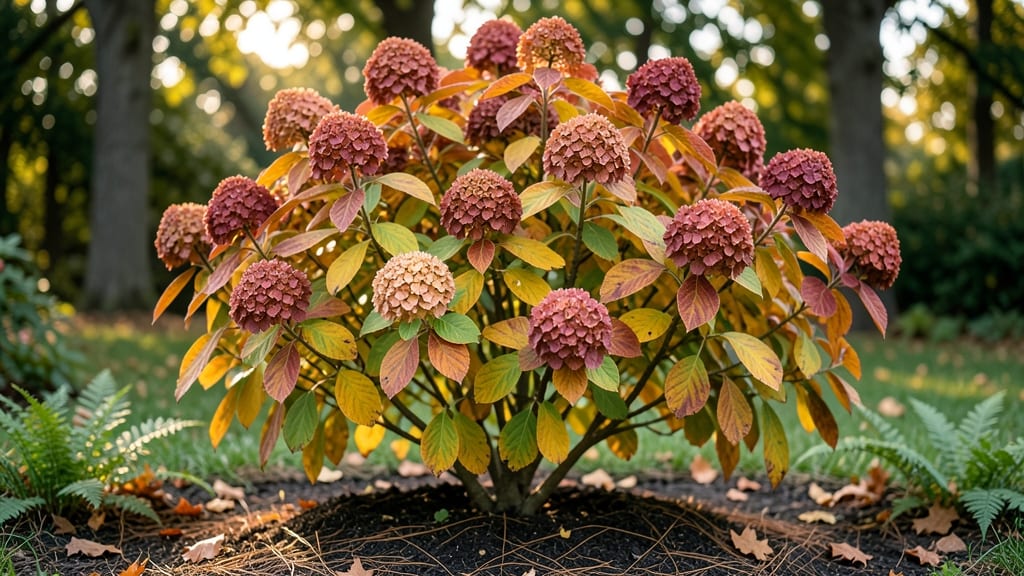
Fall is when your hydrangea tree transforms from summer showstopper to winter skeleton—unless you prune it right. ✨ The secret to keeping those lush blooms coming year after year lies in understanding exactly when and how to cut back, before the first frost locks the branches in place.
Here's the thing—hydrangeas bloom on old wood, new wood, or both, depending on the variety. That means pruning too early or too late can rob you of next summer's flowers. I've learned the hard way: my first attempt left me with a sparse spring display.
Now, I time it perfectly for late fall, just after the leaves turn but before the ground freezes.
What you'll end up with is a hydrangea tree that bursts with fresh growth in spring and produces bigger, more vibrant blooms than ever. The branches stay strong through winter storms, and you avoid the dreaded "broomstick" look that ruins so many neglected shrubs.
Works for all hydrangea varieties—smooth, panicle, oakleaf, and even those fancy double-flowering types. Let's get those pruners sharp and make next year your best bloom season yet.
📚 In This Guide
- What you need
- Instructions
- Tips and common mistakes
- Wrapping up and next steps
What you need
- ○ Pruning shears: Bypass pruners (for clean cuts on small branches, 4–6 inches long, sharp and rust-resistant). Optional: Loppers (for thicker branches, 8–12 inches, with a long handle).
- ● Hand pruners: Anvil-style (for deadwood removal, durable but may crush stems—use sparingly).
- ● Pruning saw: Curved-tooth saw (for branches 2+ inches thick; 10–12 inches long).
- ● Gloves: Heavy-duty gardening gloves (cut-resistant, like mechanics’ gloves or pruning-specific with reinforced palms).
- ● Disinfectant: 70% isopropyl alcohol or rubbing alcohol (in a spray bottle) to sterilize tools between cuts.
- ○ Pruning sealant: Optional but helpful for large cuts (e.g., tree wound paint or pruning paste to prevent disease).
- ● Ladder or step stool: Sturdy, 6–8 ft tall (extendable if your tree is over 10 ft). Safety tip: Use a harness if climbing!
- ● Heavy-duty trash bags: 3–5 gallon-size for collecting pruned branches and debris.
- ● Notebook & pen: To sketch your tree’s shape or jot down notes on cuts made.
- ● Timing: Prune after the first hard frost (when leaves have fallen but before winter dormancy sets in, typically late October–November in most U.S. zones).
- ● Weather: Choose a dry, overcast day (humidity can spread disease). Avoid pruning if rain is forecasted within 24 hours.
- ● Safety gear: Safety glasses (to protect from debris) and closed-toe shoes.
- ● Tree health check: Inspect for diseased or pest-ridden branches before starting—remove those first!
Step-by-step guide to pruning your hydrangea tree for winter
Fall is the perfect time to shape your hydrangea tree for next year's showstopping blooms.
✂️ Step 1: Time Your Pruning for Late Fall
Wait until after your hydrangea tree has finished blooming for the season but before hard frosts arrive—typically mid-to-late October in most climates. This timing ensures you don’t cut off next year’s flower buds, which form on new growth. Look for leaves starting to yellow or drop as your cue.
If you’re unsure, prune on a mild day above 40°F to avoid shocking the plant. Hydrangeas are tough but hate being stressed in cold weather. I always check the 10-day forecast before grabbing my pruners—you don’t want a surprise frost.
🌿 Step 2: Assess and Remove Dead or Weak Wood
Start by examining the tree for branches that are brown, brittle, or crossing at sharp angles. These are the first to go—they crowd the center and invite pests. Use sharp, clean pruners to make cuts just outside the branch collar, the swollen area where the branch meets the trunk.
I like to step back after each cut to visualize the shape. Remove any branches growing straight up or inward—they’ll compete with the main structure. Aim for an open, vase-like shape that lets sunlight and air circulate. This prevents disease and encourages strong new growth in spring.
✂️ Step 3: Thin Out Overcrowded Branches
Focus on thinning out 20-30% of the oldest, thickest branches to improve airflow and light penetration. Start at the bottom and work your way up, removing branches that are thicker than a pencil. These are the ones that steal energy from the younger, more productive growth.
Make your cuts at a 45-degree angle just above an outward-facing bud. This encourages the new branch to grow outward, creating a fuller tree. Avoid cutting back to stubs—it invites rot and weak regrowth. If a branch is too thick to cut by hand, use a saw and seal the wound with pruning sealant.
☀️ Step 4: Shape for Balance and Light Exposure
Step back and assess the tree’s overall shape. You want a tapered silhouette—wider at the bottom, narrower at the top—so sunlight reaches all branches. Trim any branches that are growing too close together or rubbing against each other. These are prime spots for disease.
For a more dramatic look, you can lightly shape the outer edges, but avoid heavy pruning. Hydrangeas bloom on new wood, so drastic cuts now mean fewer flowers next year. Think of this as a light touch-up rather than a major overhaul. A well-shaped tree now will reward you with lush blooms come summer.
🪴 Step 5: Clean Up and Protect for Winter
After pruning, rake up all fallen leaves and debris from around the base of the tree. This removes overwintering pests and reduces the risk of fungal diseases. Dispose of pruned branches in the trash—not your compost pile—to prevent spreading disease.
Give the tree a light application of mulch (about 2-3 inches deep) around the base, keeping it a few inches away from the trunk. This insulates the roots and retains moisture. Water deeply one last time before the ground freezes to ensure the tree stays hydrated through winter. A winter-ready hydrangea tree is a happy one!
Tips & tricks for pruning your hydrangea tree in fall
Here's what nobody tells you about pruning hydrangeas—these tricks will help you avoid common mistakes and give your tree the best chance for next year's spectacular blooms.
Timing Secret: The mid-to-late October window is critical because hydrangeas bloom on new wood. If you prune too early, you risk cutting off next year's flower buds that are already forming. I've learned this the hard way—after pruning too soon, my hydrangea barely bloomed the following summer. Always wait until leaves start yellowing or dropping as your cue.
Equipment Insight: Never use dull pruners—they crush branches instead of making clean cuts. Invest in sharp, clean pruners and disinfect them with rubbing alcohol between cuts to prevent spreading disease. For thicker branches, use a saw and always seal the wound with pruning sealant to prevent rot. I keep a small bottle of sealant in my gardening toolbox for just this purpose.
Visualization Technique: Step back every few cuts to visualize your tree's shape. You're aiming for a vase-like silhouette that's wider at the bottom and narrower at the top. This allows sunlight to reach all branches and prevents disease by improving airflow. I find it helpful to sketch a rough outline on paper first to guide my cuts—it makes the process much more intentional.
Winter Protection Strategy: After pruning, apply a light layer of mulch (about 2-3 inches deep) around the base, keeping it a few inches away from the trunk. This insulates the roots and retains moisture. I also water deeply one last time before winter to ensure the tree stays hydrated through the cold months. Don't forget to rake up all fallen leaves and debris—they can harbor overwintering pests and diseases.
Pro Tips for Hydrangea Tree In Fall
- Here's what nobody tells you about pruning hydrangeas—these tricks will help you avoid common mistakes and give your tree the best chance for next year's spectacular blooms.
- Timing Secret: The mid-to-late October window is critical because hydrangeas bloom on new wood.
- Equipment Insight: Never use dull pruners—they crush branches instead of making clean cuts.
Frequently asked questions
Got questions about keeping your hydrangea tree stunning in fall and prepped for winter? You’re not alone! Here are answers to the most common queries—plus a few pro tips to save you time and stress.
When is the best time to prune a hydrangea tree in fall?
Prune your hydrangea tree after it blooms in early fall (September–October), but before the first hard frost. This timing ensures next year’s flower buds form properly while avoiding winter damage. Skip late fall pruning—new growth won’t harden off before cold snaps hit!
Why are my hydrangea leaves turning brown in fall?
Brown leaves are usually normal as temperatures drop, but check for pests or disease first. Look for:
Most hydrangea trees (like Hydrangea paniculata) are hardy, but young trees or tender varieties benefit from mulch (3–4 inches) around the base and light burlap wrapping for extreme cold (<10°F). Avoid heavy wrapping—it traps moisture and rot. Yes! Late bloomers (like paniculata) produce buds on new wood, so prune lightly in fall to shape it. Focus on:
Try these low-maintenance, cold-hardy alternatives:
Still stumped? Drop your hydrangea tree’s specific variety in the comments—we’re happy to tailor advice!
Prune affected branches and adjust care if needed.
Do I need to protect my hydrangea tree from winter?
Can I still prune a hydrangea tree if it didn’t bloom this year?
Skip heavy cuts—save aggressive pruning for early spring!
What’s a good alternative if my hydrangea tree struggles in fall?
All thrive with minimal pruning!
Wrapping up and next steps
Fall is the perfect time to shape your hydrangea tree for stunning winter-ready blooms! By pruning now, you’ll encourage vibrant growth, protect against frost, and set the stage for next year’s show-stopping flowers. 🌿✨
Ready to give your hydrangea the care it deserves? Grab your pruners and start planning your next steps—whether it’s scheduling a deep clean-up or simply admiring your hard work as winter approaches. Your garden will thank you!