
How To
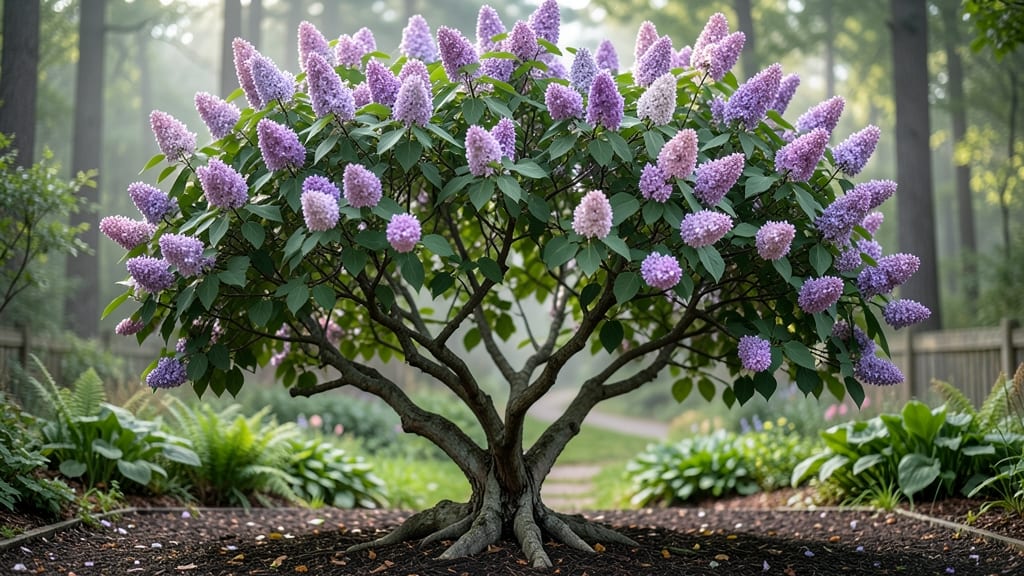
Lilac trees grow anywhere from 3 feet to towering 15 feet tall, depending on the variety and how you prune them 🌸—and yes, that means some can easily outgrow your backyard fence if left unchecked.
Picture this: you plant a lilac expecting a charming shrub, only to watch it stretch toward the sky like a silent giant. The good news? With the right pruning, you can keep even the tallest varieties in check—or let them grow wild for that old-fashioned cottage charm.
Most lilacs reach their mature height within 3 to 5 years, but their growth rate depends on soil quality, sunlight, and how aggressively you trim them back. A dwarf variety might stay under 5 feet, while a standard lilac can easily reach 12 feet or more without intervention.
In this guide, I’ll break down the exact height ranges for common lilac varieties, how pruning shapes their growth, and the simple tricks to keep them at your desired size—whether you want a fragrant hedge or a small tree.

Lilac tree height by variety: exact growth ranges for common cultivars
Lilacs are one of the most beloved garden shrubs, known for their intense fragrance and showy spring blooms. But did you know their mature height can vary dramatically by variety?
Some stay under 5 feet while others reach 15 feet tall, making them perfect for everything from container gardens to backyard focal points. Let's explore the exact height ranges of popular lilac cultivars so you can choose the perfect fit for your space.
The height of a lilac tree depends on its genetic makeup, growing conditions, and how aggressively you prune it. French lilacs tend to be the tallest, while dwarf varieties like 'Little Leaf' stay compact.
Even within the same species, individual plants can vary by 2-3 feet based on soil quality and sunlight exposure. Understanding these differences helps you plan your garden layout and manage growth effectively.
Here's a quick comparison of popular lilac varieties and their mature heights to help you visualize their potential size in your landscape:
The 'Common Lilac' (Syringa vulgaris) is the classic variety that often reaches 12-15 feet tall when left unpruned, making it ideal for backyard privacy screens or woodland edges. Its large, fragrant blooms are unmatched, but its size requires careful planning.
If you love the look but need something smaller, consider the 'Minnesota Snowflake', which stays around 8-10 feet while still offering abundant flowers.
For small gardens or container growing, dwarf varieties like 'Little Leaf' and 'Miss Kim' are excellent choices. These stay under 5 feet tall and spread 3-4 feet wide, perfect for foundation plantings or patio containers.
Their compact size doesn't mean sacrificing fragrance—'Miss Kim' is particularly prized for its strong scent and prolonged bloom time.
French lilacs, including 'Katherine Havemeyer' and 'President Lincoln', are known for their exceptional fragrance and vibrant colors. These varieties typically grow 10-12 feet tall, making them stunning specimen plants or hedge materials in larger landscapes.
Their upright growth habit creates vertical interest, while their late spring blooms add seasonal drama to any garden.
If you're looking for reblooming lilacs, the 'Bloomerang' variety is a fantastic choice. It
How pruning affects lilac tree height: techniques to control growth
Pruning is the secret weapon for controlling lilac tree height—whether you want a compact shrub or a tall specimen plant. These woody beauties grow aggressively when left unchecked, but strategic cuts can shape their size without sacrificing those fragrant spring blooms.
The key lies in timing, cutting techniques, and understanding how lilacs respond to pruning.
Most lilacs naturally reach 8-15 feet tall if unpruned, but with the right approach, you can keep them at 3-6 feet—ideal for small gardens. The difference comes down to when you prune and how much you remove.
Late spring pruning after flowering encourages bushier growth, while winter pruning promotes taller stems. Let’s break down the techniques that work best.
Never cut more than 1/3 of a lilac’s mature height in a single year—this stresses the plant and reduces next year’s flower production. Dwarf varieties (like 'Little Leaf') need gentle pruning, while standard lilacs tolerate heavier cuts but still require patience. Always prune just above a leaf bud to encourage new growth in the right direction.
For height control, the best time to prune is late spring, right after the lilac finishes blooming. This removes last year’s flower stems while encouraging new lateral branches that create a fuller, bushier shape.
If you prune in winter, you’ll promote taller growth but risk fewer blooms the following spring. Use sharp, clean shears and make cuts at a 45-degree angle just above a bud facing outward.
To encourage bushier growth without sacrificing height, focus on selective pruning. Remove only the tallest stems—typically 1-2 per branch—to redirect energy to side shoots.
This creates a multi-layered look while keeping the overall height manageable. For formal hedges, prune new growth throughout the summer to maintain a neat, uniform shape.
If your lilac has become too tall, don’t panic—gradual pruning works best. Over 2-3 years, you can reduce height by 1-2 feet annually by cutting back 1/3 of the tallest stems each year.
Always sterilize your tools with rubbing alcohol to prevent disease spread, and avoid pruning in wet weather to reduce fungal risks.
Remember, lilacs bloom on old wood, meaning last year’s growth produces this year’s flowers. Heavy pruning too late in the season can reduce next year’s blooms, so time your cuts carefully.
With the right approach, you can enjoy fragrant lilacs at any height—whether you prefer a low border plant or a tall backyard statement piece. 🌸✂️