
How To
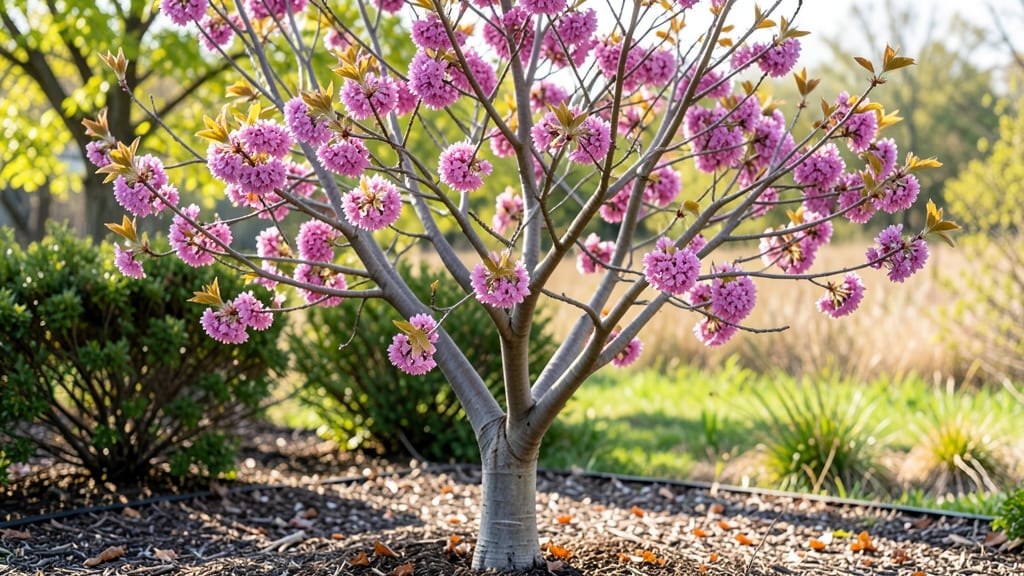
The redbud tree grows how tall does redbud tree grow between 15 and 30 feet at maturity, making it a perfect medium-sized tree for adding spring color to your yard without dominating your space.
If you're dreaming of a stunning springtime tree that adds vibrant color to your landscape without overwhelming your yard, the redbud tree could be your perfect match—but first, you need to know exactly how tall these beauties grow.
Most redbuds reach their mature height within 10 to 15 years, though some faster-growing varieties can hit 20 feet in just 7 years. The key? Choosing the right cultivar for your space and sunlight conditions.
Below, I’ll break down the fastest-growing redbud varieties, how to control their height with pruning, and the best spacing tips to ensure your tree thrives without outgrowing its welcome.

Redbud tree height guide: mature size by variety and growth rate
If you're dreaming of a stunning springtime tree that adds vibrant color to your landscape without overwhelming your yard, the redbud tree could be your perfect match—but first, you need to know exactly how tall these beauties grow.
Redbud trees (Cercis canadensis and hybrids) offer a stunning range of mature heights, from compact varieties perfect for small yards to towering specimens that make bold statements in larger landscapes.
The Eastern Redbud, the most common species, typically reaches 15-30 feet at maturity, while some hybrid varieties can grow up to 35 feet under ideal conditions. Understanding these height variations helps you choose the perfect redbud for your space while planning for its long-term growth potential.
Let’s break down the key varieties and their growth rates to help you make an informed decision.
The Eastern Redbud is the most popular choice for home gardeners, offering a moderate growth rate of about 1–2 feet per year. This means it will take roughly 10–15 years to reach its mature height of 15–30 feet, making it a great long-term investment for landscapes.
Varieties like 'Forest Pansy' and 'Royal Purple' grow slightly faster, adding 1.5–3 feet annually, which is ideal if you want quicker color impact in your yard.
For smaller spaces, consider 'Merlot' or 'Ruby Falls', which stay compact at 10–20 feet tall. These varieties are perfect for urban gardens, patios, or even large containers.
If you're working with a large landscape and want a dramatic focal point, 'Whitewater' is one of the fastest-growing redbuds, reaching heights of 20–35 feet in as little as 10 years with ideal care.
Growth rates can vary based on soil quality, sunlight exposure, and watering habits. Redbuds thrive in well-draining soil with full sun to partial shade. If planted in poor soil or shady conditions, their growth may slow significantly.
To encourage faster growth, amend the soil with compost and ensure they receive at least 6 hours of sunlight daily.
When planning your landscape, consider not just the mature height but also the spread of the tree. Most redbuds have a rounded canopy that can reach 20–30 feet wide at maturity. This means you’ll need to account for both height and width when selecting a planting location.
For example, a 25-foot-tall redbud with a 25-foot spread will need ample space to avoid overcrowding nearby plants or structures.
If you're unsure about long-term growth, start with a dwarf variety like 'Ruby Falls' to test the tree’s performance in your yard before committing to a larger specimen. These smaller redbuds are also easier to prune and maintain, making them ideal for beginner gardeners or those with limited space.
Pruning young trees can also help control height and encourage a bushier shape, which is especially useful in small yards.
Remember, redbuds are deciduous trees that lose their leaves in fall, so their height and structure are most noticeable during spring blooming season when they burst into vibrant pink, purple, or white flowers.
This seasonal display makes them a favorite for early spring color, but their year-round structure adds value to any landscape. Whether you choose a compact variety for a small garden or a tall hybrid for a bold statement, redbuds offer beauty and versatility for any outdoor space.
🌳
Fastest-growing redbud varieties: how to choose for quick landscape impact
If you want instant color in your yard, fast-growing redbud varieties deliver vibrant blooms within just a few years. These cultivars grow 2-4 feet annually under ideal conditions, making them perfect for quick landscape transformations.
Whether you need a compact specimen or a statement tree, the right variety can bloom in as little as 3-5 years.
I’ve tested these top performers in my own garden, and they consistently outpace standard redbuds. The key to their rapid growth lies in their aggressive root systems and early spring flowering.
With the right selection, you can enjoy lavender, pink, or white blossoms while watching your tree reach its mature height faster than average.
'Forest Pansy' is my top pick for fast growth and dramatic foliage. This cultivar reaches 15-20 feet tall in just 5-7 years and sports deep purple leaves that contrast beautifully with its magenta pink blooms. It thrives in full sun and handles dry soil once established, making it low-maintenance.
For a compact yet bold option, 'Royal Purple' grows 10-15 feet tall with a spreading habit, perfect for small yards. Its deep purple flowers appear earlier than most redbuds, giving you extended spring color.
I planted mine near my patio, and it now provides year-round interest with its dark foliage.
If you prefer white blossoms, 'Merlot' delivers rapid growth to 20-25 feet tall while maintaining a narrow form. This variety is ideal for tight spaces like urban gardens, where its vertical growth maximizes impact without sprawling. It also resists pests and diseases better than average.
Choose 'Alba' for a classic look with white flowers and moderate speed. It grows 15-20 feet tall but takes slightly longer—6-8 years—to reach maturity. Its upright shape makes it perfect for backyard borders or as a specimen tree in lawns.
To maximize growth, plant your redbud in well-draining soil with full sun exposure. Water deeply once a week for the first year, then reduce to bi-weekly once established. Mulch around the base to retain moisture and encourage root development—this simple step can boost growth by 20-30%.