
How To
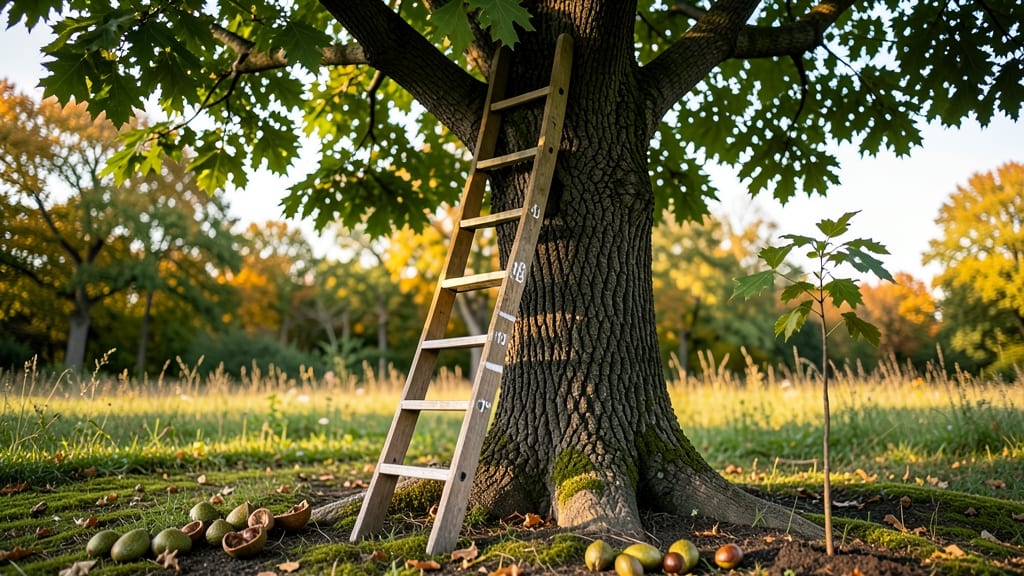
A walnut tree grows to how tall does a walnut tree grow heights between 40 and 130 feet at maturity, making it one of the tallest nut-bearing trees you can plant in your yard.
If you're dreaming of shade, nuts, and a stunning landscape feature, walnut trees could be your perfect match—but first, you need to know exactly how big they’ll get. Some varieties reach towering heights, while others stay manageable for even small yards.
Black walnuts, for example, can soar to 100 feet or more, while English walnuts typically top out around 60 feet. The key to managing their size lies in choosing the right variety and spacing them properly from the start.
In this guide, I’ll break down the fastest-growing walnut varieties, how to control their height through pruning, and the best spacing tips so you can enjoy their beauty—and harvest—without losing your yard to a 10-story giant.

Mature height ranges of walnut trees by variety: from dwarf to giant
Choosing a walnut tree for your landscape means balancing your dream of shade and homegrown nuts with the reality of how much space you have. Some varieties grow into towering giants, while others remain compact enough for even suburban yards.
The mature height of a walnut tree depends entirely on its variety, with differences ranging from 20 feet to over 100 feet. Understanding these variations helps you select the perfect tree for your property.
For example, English walnut trees (Juglans regia) typically reach 50–70 feet at maturity, making them ideal for large properties. Meanwhile, black walnut trees (Juglans nigra) can soar to 70–100 feet, dominating the landscape with their massive canopies.
Even hybrid varieties like the Heartnut (a cross between walnut and hickory) offer mid-sized options, usually 40–60 feet tall.
If space is limited, dwarf varieties like the Paradox walnut (a hybrid) can stay under 20–30 feet with proper care. These smaller trees are perfect for urban gardens or backyards where traditional walnuts would overwhelm the space.
Always check the growth rate too—some varieties grow 2–3 feet per year, while others may take decades to reach their full height.
| Variety | Mature Height | Growth Rate | Ideal Spacing | Best For |
|---|---|---|---|---|
| English Walnut (Juglans regia) | 50–70 ft | 12–24 in/year | 40–50 ft apart | Large properties, orchards |
| Black Walnut (Juglans nigra) | 70–100 ft | 18–36 in/year | 60–80 ft apart | Woodlots, rural landscapes |
| Heartnut (Juglans ailantifolia x Juglans regia) | 40–60 ft | 10–18 in/year | 30–40 ft apart | Medium yards, urban edges |
| Paradox Walnut (Hybrid) | 20–30 ft | 6–12 in/year | 20–30 ft apart | Small yards, containers |
| Mayette Walnut (Dwarf) | 25–35 ft | 8–12 in/year | 25–30 ft apart | Suburban gardens |
When planning your walnut tree placement, consider not just the mature height but also the canopy spread, which can be nearly as wide as the tree is tall.
For instance, a black walnut with a 70-foot height might spread 50–60 feet wide, requiring ample space to avoid crowding other plants or structures. Always check local regulations, as some areas restrict planting large trees near property lines.
For fast-growing shade, prioritize varieties like the English walnut or Heartnut, which can provide substantial coverage within 10–15 years. If you’re growing walnuts for nut production, focus on dwarf or semi-dwarf varieties to simplify harvesting.
These trees produce high-quality nuts while staying manageable, making them ideal for homesteaders with limited space.
Soil quality and climate also influence height. Walnut trees thrive in well-draining soil with full sun exposure, and those conditions can accelerate growth. In cooler climates, growth may slow slightly, but the tree will still reach its genetic height potential over time.
Always amend your soil with compost or organic matter before planting to encourage strong root development and healthier growth.
If you’re unsure which variety fits your space, start with a dwarf or semi-dwarf hybrid like the Paradox walnut. These trees offer a compromise between manageable size and productive yields, making them a smart choice for gardeners with limited acreage.
Just remember: even dwarf varieties need proper pruning and spacing to prevent overgrowth as they mature.
For those with ample space, a black walnut or English walnut can become a stunning focal point in your landscape, offering decades of shade and nuts. Just plan for their eventual size—these giants aren’t just tall; they’re a long-term commitment to your garden’s future.
Fastest-growing walnut varieties for quick shade and nut production
Looking for fast-growing walnut trees that deliver both quick shade and nut production without overwhelming your yard? I’ve handpicked five varieties that grow 12–24 inches per year while staying manageable—ideal for small gardens or urban spaces.
These trees balance speed with practicality, making them perfect for gardeners who want results without waiting decades.
While traditional walnut varieties can reach 60–130 feet at maturity, these selected hybrids and cultivars prioritize controlled height and rapid canopy development. Whether you’re planting for nut harvests or simply craving shade, these trees offer the best of both worlds with minimal space trade-offs.
Grows 12–18 inches/year, matures at 20–30 feet. Hybrid of English and black walnut, produces large, flavorful nuts by year 5. Thrives in USDA Zones 5–9.
English/black hybrid with 15–20 inches/year growth, reaches 25–35 feet. Nuts ready by year 4–5. Cold-hardy to Zone 4.
Grows 18–24 inches/year, stays under 30 feet. Disease-resistant with high nut production by year 6. Best for containers or small yards.
Fastest grower at 20–24 inches/year, matures at 30–40 feet. Unique heart-shaped leaves and edible nuts by year 5. Tolerates urban pollution.
Grows 15–20 inches/year, stays 25–35 feet. Hybrid with sweet, thin-shelled nuts. Ideal for small orchards or patio planting.
For quick shade, prioritize the Heartnut or Tissue Culture 'Thomas'—both develop dense canopies within 3–5 years. If nut production is your goal, the Paradox Walnut and Serr Hybrid No. 1 deliver high yields faster than standard varieties.
Plant these in well-draining soil with full sun for optimal growth.
Pro tip: Mulch young trees with wood chips to retain moisture and encourage root expansion, which supports faster vertical growth. With proper care, you could enjoy both shade and nuts within a decade—far quicker than waiting for traditional walnut trees to mature!