
How To
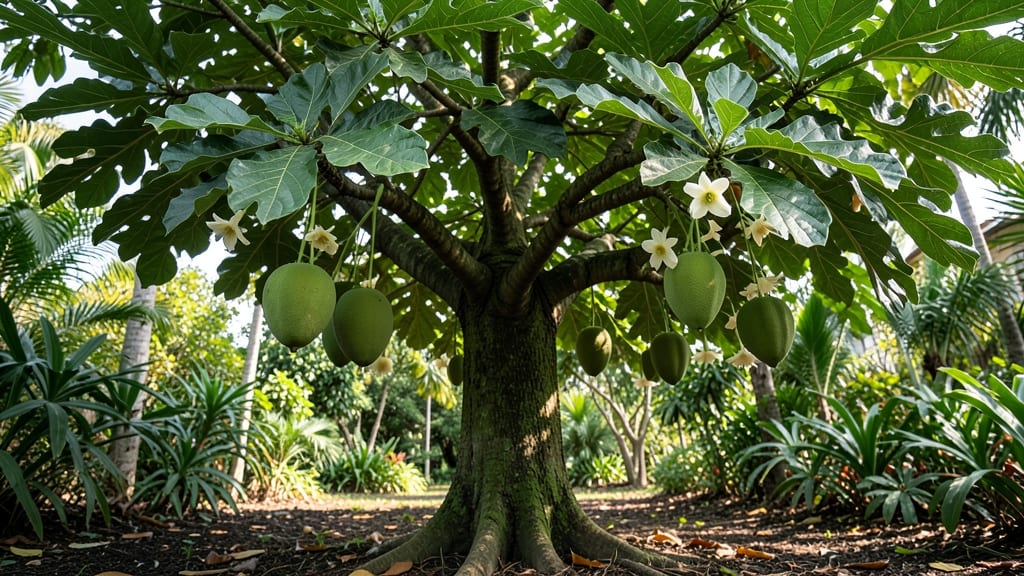
A soursop tree 🌴 can grow between 15 and 30 feet tall, turning your backyard into a tropical paradise—or a space challenge, depending on the variety and where you live.
Picture this: a 20-foot-tall tree draped in glossy leaves, its branches heavy with fragrant, custard-like fruit. But here’s the catch—some varieties stay compact, while others shoot up like skyscrapers.
If you’re in Florida or Puerto Rico, you might end up with a monster of a tree, but with the right pruning, even a 10-foot version can thrive.
Below, I’ll break down how climate, soil, and pruning shape a soursop’s height—so you can plan for the perfect-sized tree in your garden.
You’ll also discover how to keep it manageable, whether you’re working with a dwarf variety or a full-grown giant.

Soursop tree height by variety: from dwarf to giant sizes
If you're planning to grow a soursop tree (Annona muricata), one of the first questions you'll ask is how tall does a soursop tree grow? The answer varies dramatically by variety, with some reaching towering heights of 30 feet while others stay more manageable.
Understanding these differences helps you choose the right type for your space—whether it's a small urban garden or a large tropical estate. Genetics play the biggest role in determining height, but growing conditions can also influence how tall your tree becomes.
Most soursop trees fall into three height categories: standard varieties (15-30 feet), semi-dwarf types (rare but possible with grafting), and giant-growing varieties that can exceed 30 feet in ideal conditions.
While there aren’t widely available dwarf soursop cultivars, selective pruning and root restriction can keep even standard varieties in check. Let’s break down the most common varieties and their mature heights to help you plan your tropical garden.
⚠️ NON-NEGOTIABLE: Soursop trees are not frost-tolerant and thrive only in USDA Zones 10-12. If you live in cooler climates, consider container growing or a greenhouse to control height and protect your tree.
While standard soursop varieties like Annona muricata var. typica are the most common, they can easily outgrow small spaces. For example, a 15-foot soursop tree is already taller than most residential fences, so plan accordingly if you’re planting near walkways or power lines.
The giant soursop variety (var. gigantea) can reach 30+ feet, making it ideal for large estates or tropical landscapes where height isn’t a concern.
If you’re working with limited space, consider dwarf-grafted soursops, which are created by grafting a standard soursop scion onto a dwarfing rootstock. This technique can reduce mature height to 8–12 feet, making it feasible for small gardens or containers.
However, these dwarf varieties are less common and may require sourcing from specialty nurseries. Always ask for grafted soursop trees if height control is a priority.
For container growing, even standard varieties can be kept under 10 feet tall with regular pruning and root restriction. Use large pots (at least 24-inch diameter) and prune aggressively in early spring to encourage bushier growth.
Just remember: container-grown soursops will produce fewer fruits compared to in-ground trees, but they’re perfect for balconies or patios in warm climates.
One critical factor influencing height is the growing environment. Soursop trees in tropical climates (like Florida or Hawaii) grow faster and taller due to year-round warmth and humidity. In subtropical zones (like southern California or Arizona), growth slows slightly, but mature heights remain similar.
Poor soil drainage or nutrient deficiencies can stunt growth, so always plant in well-draining, slightly acidic soil (pH 5.5–6.5) and fertilize regularly.
If you’re unsure which variety to choose, start with a standard soursop tree and plan for its mature height. Many gardeners begin with a young soursop tree (2–4 feet tall) and gradually prune it to manage its size.
Over time, you’ll learn how your specific tree responds to your climate and growing conditions. Just be patient—soursop trees take 3–5 years to reach fruiting maturity, so early pruning won’t compromise fruit production.
For small-space gardening, consider planting near a trellis or support structure to guide vertical growth. This not only controls height but also creates
Climate and growing conditions that affect soursop tree height
The soursop tree thrives in tropical climates where warm temperatures and high humidity fuel rapid growth. In ideal conditions, these trees can reach 25-30 feet tall, while cooler or drier climates may limit them to 15-20 feet.
Understanding your local climate is key to predicting how tall your soursop tree will grow—and whether it’ll need pruning to fit your space.
Humidity plays a crucial role: soursop trees need 70%+ humidity to grow vigorously. In dry subtropical zones like South Florida or Southern California, trees may grow slower and stay shorter unless you supplement with regular misting or shade cloth during dry spells.
Meanwhile, in Central America or Caribbean regions, where humidity hovers near 90%, these trees can grow 30 feet or taller with minimal effort.
🌴 Soursop Tree Height by Climate
| Climate Type | Avg. Humidity | Mature Height Range | Growth Rate | Best Regions |
|---|---|---|---|---|
| Tropical | 80-95% | 25-30 ft | Fast (3-5 ft/year) | Puerto Rico, Brazil, Costa Rica |
| Subtropical | 50-70% | 15-20 ft | Moderate (2-3 ft/year) | Florida, Hawaii, Australia |
| Container-Grown (Indoor) | 60-75% (with misting) | 8-12 ft | Slow (1-2 ft/year) | Greenhouses, Patios |
💡 Pro Tip: Use humidity trays or indoor humidifiers to mimic tropical conditions in drier climates.
Soil type also dramatically impacts height. Soursop trees prefer well-draining, slightly acidic soil (pH 5.5-6.5) rich in organic matter. In clay-heavy soils, like those found in parts of Louisiana, roots suffocate, stunting growth to 10-15 feet. Amend heavy soil with compost or sand to improve drainage and encourage taller growth. Meanwhile, sandy soils in coastal areas may require mulching to retain moisture and support heights up to 25 feet.
Sunlight exposure is another critical factor. Soursop trees need 6+ hours of direct sun daily to reach their full height potential. In shady conditions, like under dense canopy trees, growth slows dramatically, often resulting in 10-15 foot trees with sparse foliage. If you’re growing soursop in subtropical zones with mild winters, place it in the sunniest spot of your yard to maximize height and fruit production.
For gardeners in cooler subtropical zones, like Southern California or Northern Australia, winter temperatures below 50°F can stunt growth entirely. While soursop trees aren’t frost-tolerant, they can survive brief light frosts if protected with burlap wraps or frost cloth.
However, prolonged cold slows growth, often capping mature height at 15-18 feet. To counteract this, plant in microclimates near heat-retaining walls or use row covers during cooler months.
If you’re aiming for a shorter soursop tree in limited space, focus on pruning young trees to shape growth early. Combine this with container growth—potted soursop trees rarely exceed 8-12 feet—and you’ll keep them manageable while still enjoying their tropical charm.
Just ensure containers have drainage holes and are moved to bright, sunny spots year-round.