
Plants
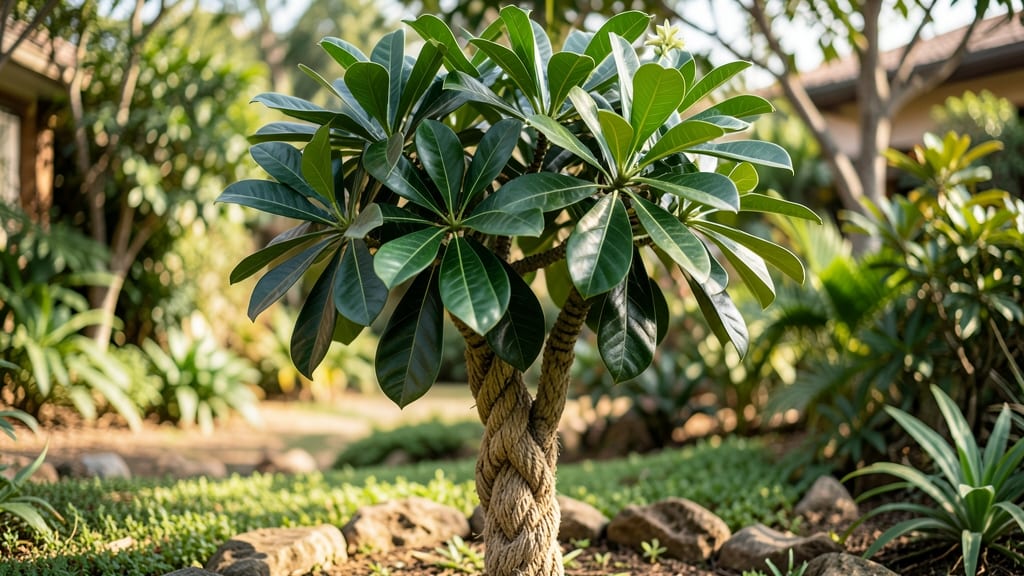
A money tree plant grows to 3 to 6 feet tall indoors with proper care, making it a striking centerpiece for any room.
If you're picturing a towering jungle giant, think again—this fast-growing tropical tree stays compact with the right pruning and pot size. But here’s the catch: without guidance, it can outgrow its space faster than you’d expect, leaving you with a 6-foot plant in just a few years.
Whether you’re dealing with a 1-foot seedling or a mature Money Tree 💰, understanding its growth habits is key. Indoor light levels, pruning techniques, and even pot selection can shrink or stretch its height dramatically.
In this guide, I’ll break down how to keep your money tree at your desired height—whether that’s a 3-foot tabletop statement or a controlled 5-foot indoor tree—while ensuring it thrives year-round.

Money tree height guide: average growth stages and indoor height limits
Your money tree (Pachira aquatica) is a stunning tropical plant that can grow surprisingly tall indoors with the right conditions. Understanding its height progression helps you plan for its care and space needs.
On average, a money tree reaches 3 to 6 feet tall when mature, but its growth rate depends on factors like light exposure, pruning habits, and pot size. Let’s break down what to expect year by year.
In its first year, your money tree will likely grow between 1 to 2 feet tall. This is when it establishes its root system and focuses on developing sturdy branches.
If you’re starting with a seedling, growth may be slower, but with proper care, it can quickly catch up. The key during this stage is to provide bright, indirect light and keep the soil consistently moist but not soggy.
The second year marks a period of rapid growth, with heights ranging from 2 to 3 feet. Your money tree will develop thicker stems and more foliage, giving it that iconic tropical look.
This is also the time to start monitoring pot size—if roots are circling the bottom, it’s time to repot into a slightly larger container to encourage upward growth.
By the third year, your money tree can reach 3 to 5 feet tall, depending on growing conditions. If left unpruned, it may even surpass 6 feet indoors, especially if it’s placed near a south-facing window or under grow lights.
However, with regular pruning, you can maintain a more compact shape while still enjoying its lush green leaves.
| Growth Stage | Height Range | Key Care Tips |
|---|---|---|
| Year 1 (Seedling) | 1–2 ft | Bright indirect light, consistent moisture, small pot |
| Year 2 (Established) | 2–3 ft | Repot if root-bound, increase light exposure, balanced fertilizer |
| Year 3+ (Mature) | 3–6 ft (or taller) | Prune to control height, larger pot, monitor humidity |
| Indoor Height Limit | 3–10 ft (with ideal care) | Prune regularly, limit direct sunlight, use grow lights if needed |
The light conditions in your home play a huge role in how tall your money tree grows. While it thrives in low to medium light, placing it near a bright window (like an east-facing one) will encourage faster growth.
Avoid direct sunlight, which can scorch its leaves and stunt its height. If your space lacks natural light, consider using a grow light to supplement its needs.
Pruning is another critical factor in controlling your money tree’s height. Regular pruning not only keeps it at a manageable size but also encourages bushier growth. Trim back the top branches to promote lateral shoots, which will thicken the canopy. Aim to prune in spring or early summer when the plant is actively growing. Just be sure to use clean, sharp pruners to avoid damaging the stems.
Pot size matters more than you might think. A root-bound money tree will grow taller and faster because its roots are confined, forcing energy upward. However, if the pot is too large, the soil stays wet for too long, which can lead to root rot.
A good rule of thumb is to repot every 2 to 3 years or when you see roots circling the bottom. Choose a pot that’s only 2 to 3 inches wider than the current one to avoid overpotting.
Humidity levels also influence your money tree’s growth. These tropical plants love high humidity, ideally between 40% and 60%. If your home is dry, especially in winter, you may notice slower growth or brown leaf tips.
To boost humidity, place the pot on a pebble tray with water or use a humidifier nearby. Mist the leaves occasionally, but avoid soaking them to prevent fungal issues.
Finally, remember that patience is key when growing a money tree. While it can grow up to 10 feet tall indoors with ideal conditions, most gardeners keep theirs between 3 and 6 feet for easier maintenance.
With the right balance of light, pruning, and pot size, you can enjoy a healthy, happy money tree that fits perfectly in your space.
🌿
5 Proven tips to control money tree height for small spaces
If your money tree (Pachira aquatica) is stretching toward the ceiling faster than you’d like, don’t worry—you’re not powerless! This tropical beauty thrives indoors but can easily outgrow its space. The key to keeping it compact lies in strategic pruning, light management, and root care.
With these five simple techniques, you can maintain a bushier, manageable height while keeping your plant healthy and happy.
First, understand that money trees grow fastest in warm, humid conditions with plenty of indirect light. Without intervention, they can reach 6–10 feet tall indoors in just a few years.
But by adjusting their environment and growth habits, you can encourage a shorter, fuller shape perfect for small apartments or offices. Let’s dive into the most effective methods to control its height without stunting its growth entirely.
Trim just above a leaf node in late winter or early spring to encourage bushier growth. Avoid heavy pruning in fall or winter, as it stresses the plant.
Reduce fertilizer use after summer to slow vertical growth. Use a balanced 10-10-10 fertilizer sparingly in spring and summer only.
Keep your money tree root-bound for longer by repotting every 2–3 years instead of annually. Crowded roots encourage slower, denser growth.
Move your plant further from bright windows to slow stretching. East-facing windows provide ideal indirect light without encouraging rapid height growth.
Turn the pot quarter-turns every 2–4 weeks to ensure even light exposure. This prevents lopsided growth and keeps the plant compact and symmetrical.
Start with pruning—this is the fastest way to shape your money tree. Use clean, sharp scissors to cut just above a leaf node (the bump where leaves grow). This encourages the plant to branch out instead of growing taller.
For example, if your tree is taller than your ceiling fan, prune the top 3–4 inches to redirect energy to side branches.
Next, pay attention to light exposure. Money trees stretch toward light, so if you notice long, leggy stems, move it 2–3 feet away from windows.
A north-facing window or a spot under fluorescent lights can help maintain a compact shape without sacrificing health. Just avoid direct sunlight, which can scorch the leaves.
Don’t forget about root care—over-potting can actually encourage faster growth. If your money tree is root-bound (roots circling the pot), leave it in its current container for another year.
This natural restriction slows vertical growth while keeping the plant sturdy. You’ll know it’s time to repot when roots emerge from drainage holes or the soil dries out too quickly.
Finally, fertilizer timing plays a surprising role in height control. Money trees grow most aggressively in spring and summer, so limit fertilization to these seasons. In fall and winter, skip fertilizing entirely to let the plant focus on maintaining its structure rather than shooting upward.
A little patience here goes a long way in keeping your tree at a manageable height.
With these tips, your money tree will stay lush, full, and perfectly sized for your space—no more ceiling-bound branches! 🪴