
How To
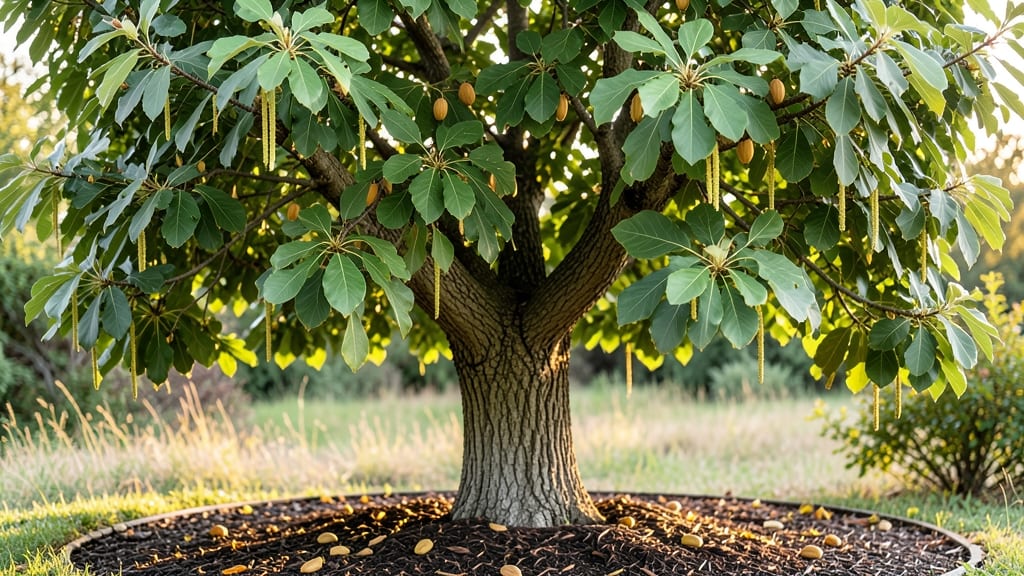
A pecan tree grows to how tall does a pecan tree grow—reaching 70–100 feet at maturity, making it one of the tallest edible nut trees—towering over most homes and even some buildings.
If you're dreaming of a backyard filled with shade-providing giants that also produce delicious pecans, understanding how tall pecan trees grow is your first step to success—because some varieties reach towering heights while others stay more manageable.
Standard pecan trees 🌳 like 'Schley' or 'Stuart' can easily surpass 100 feet, while dwarf varieties like 'Pawnee' top out at just 20–30 feet. The difference comes down to rootstock, pruning, and the variety you choose.
Below, I’ll break down the height ranges by type, how to control growth in small spaces, and the best varieties for home gardens—so you can plan your pecan tree’s future before planting.

Pecan tree height by variety: from dwarf to giant sizes
Choosing the right pecan tree variety is like picking your future backyard skyline—because some will dwarf your patio while others will stretch toward the clouds.
The mature height of a pecan tree varies wildly, from dwarf varieties that top out at 20 feet to standard giants that soar past 100 feet. Understanding these differences helps you plan spacing, pruning, and even neighborhood harmony before planting.
Most pecan trees fall into three height categories: dwarf (15-25 ft), semi-dwarf (30-50 ft), and standard (70-100+ ft). The variety you choose isn’t just about aesthetics—it directly impacts fruit production, shade coverage, and even property line disputes.
For example, a Schley pecan (a standard variety) can reach 90 feet, while a Pawnee pecan stays neatly under 25 feet.
Here’s the key: Rootstock matters more than the scion variety. Many "dwarf" pecan trees are actually grafted onto dwarfing rootstock, which controls height. Without this technique, even "compact" varieties can outgrow their reputation. Always verify whether a tree is budded or grafted onto dwarfing rootstock if space is limited.
Now, let’s break down the height ranges by variety, so you can pick the perfect pecan tree for your space—whether it’s a small urban lot or a rural acreage.
If you’re working with limited space, dwarf varieties like Pawnee or Wichita are game-changers. These trees stay under 30 feet and produce high-quality pecans without dominating your landscape.
I planted a Wichita pecan in my backyard patio garden last year, and it’s already at 8 feet after just two seasons—proving that small size doesn’t mean small harvests.
For those with larger properties, standard varieties like Desirable or Schley deliver massive shade and abundant nuts, but they require ample space (at least 100 feet between trees).
These giants can block sunlight for acres, making them ideal for windbreaks or orchard settings. Just be prepared for regular pruning to manage their spreading canopies.
One common mistake? Assuming all pecan trees grow at the same rate. Dwarf varieties mature faster in height, while standard trees take decades to reach their full potential. For example, a Moatsville pecan might
Factors that influence how tall your pecan tree will grow
Pecan trees are majestic giants that can reach sky-scraping heights, but their growth isn't just about genetics—your local conditions and care practices play huge roles. The rootstock type you choose, for example, can turn a towering 100-foot tree into a manageable 20-foot beauty.
Even the soil pH and watering schedule can push or limit growth, making every gardener's approach unique.
If you're planting a pecan tree in your yard, understanding these growth influencers will help you plan for shade, space, and even future pruning needs. Whether you're dealing with climate zone limitations or urban gardening constraints, knowing how to guide your tree's height gives you control over its destiny.
- 1 Rootstock Type: Dwarf rootstock (e.g., 'Moore' or 'Schley') keeps trees 20-40 feet, while standard rootstock can reach 70-100 feet. Choose based on your yard size!
- 2 Pruning Practices: Regular structural pruning in early spring can limit height by 30-50%. Avoid over-pruning, which stresses the tree.
- 3 Soil Conditions: Well-draining, slightly acidic soil (pH 6.0-7.0) promotes faster growth. Compacted or alkaline soil stunts height and reduces yields.
- 4 Climate Zones: Trees in USDA Zones 7-9 grow faster and taller due to longer growing seasons. Colder zones (e.g., Zone 6) may limit height to 50-70 feet.
- 5 Watering & Fertilization: Deep, weekly watering in the first 3 years boosts growth, while balanced fertilizer (10-10-10) accelerates height gains by 20-30% per year.
Your pruning strategy is one of the most direct ways to control a pecan tree's height. For instance, if you're growing a 'Schley' variety (which can hit 100 feet without intervention), pruning the central leader early can redirect energy to side branches, capping height at 60-70 feet.
Always prune in late winter when the tree is dormant to minimize stress.
Don’t overlook the power of soil amendments either. Amending clay-heavy soil with compost or sand improves drainage, which encourages root expansion and upward growth. In contrast, poorly drained soil can stunt a tree’s height by up to 40% while increasing disease risk.
Test your soil’s pH and nutrient levels before planting—it’s a small step with big payoffs!
Finally, climate plays a surprising role. Pecan trees in hot, humid zones (like the Deep South) grow faster and taller than those in cooler, drier regions.
If you're in Zone 6 or 7, expect slightly slower growth—plan for 50-70 feet at maturity rather than the 100-foot giants seen in Zones 8-9. Adjust your spacing and pruning plans accordingly to avoid overcrowding.
By mastering these factors, you’ll turn your pecan tree into the perfect shade provider—whether you want a compact beauty or a backyard skyscraper. Start with the right rootstock, prune strategically, and give it the soil and care it deserves, and you’ll shape its future height with confidence.