
How To
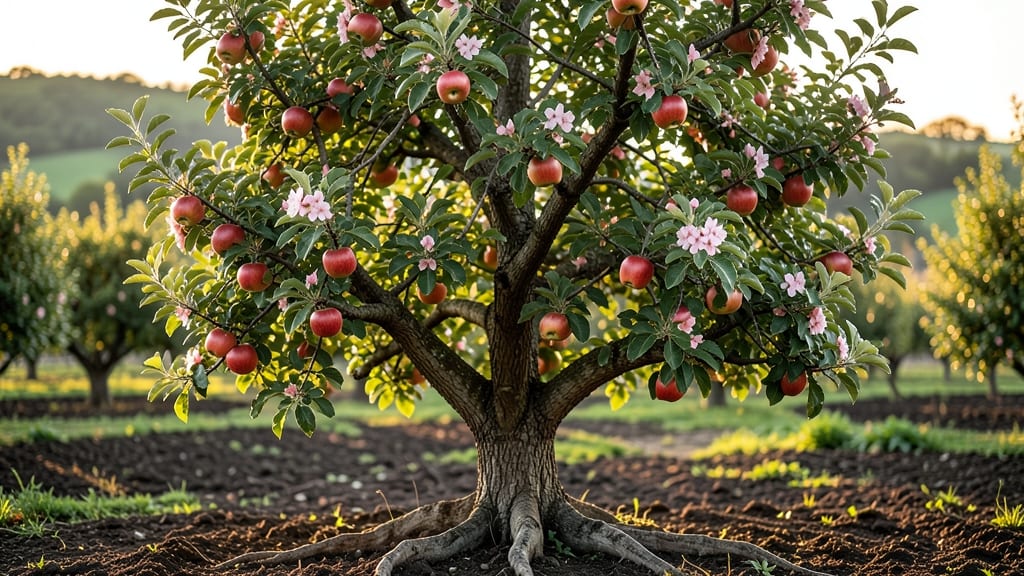
A Fuji apple tree 🍎 can grow anywhere from 8 feet to towering 25 feet tall, depending on the variety you choose—and that decision might just change how you plan your backyard.
If you're dreaming of growing your own Fuji apples but wondering whether your backyard can handle it, the tree's height is the first question you need to answer—because dwarf, semi-dwarf, and standard varieties can vary dramatically in size.
Standard Fuji apple trees can reach 20 to 30 feet at maturity, making them better suited for larger properties or orchards. But if space is limited, dwarf varieties—typically 6 to 12 feet—are perfect for small gardens, containers, or even urban patios.
Below, I’ll break down the height differences between varieties, how to manage growth with pruning, and which size is best for your space—so you can pick the perfect Fuji for your garden.

Fuji apple tree height by variety: dwarf vs. semi-dwarf vs. standard sizes
Choosing the right Fuji apple tree height depends entirely on your garden space and maintenance preferences. The Fuji apple variety comes in three primary sizes: dwarf, semi-dwarf, and standard, each with distinct growth patterns and space requirements.
Understanding these differences will help you select the perfect tree for your backyard orchard or container garden.
Dwarf varieties are ideal for small gardens or urban spaces, while standard trees require ample room and long-term planning. The rootstock used during grafting determines the final height, so knowing your options ensures you'll be happy with your tree's mature size and productivity.
Let's break down the key differences so you can make an informed decision.
Comparison Table for Fuji Apple Tree Heights:
A dwarf Fuji apple tree typically reaches 6-12 feet at maturity, making it perfect for small spaces or even large containers. These trees are grafted onto dwarfing rootstocks like M9 or B9, which restrict their growth while maintaining strong productivity.
They produce fruit quickly—often within 2-3 years—and are easier to maintain due to their compact size.
If you have a medium-sized yard, a semi-dwarf Fuji apple tree (12-16 feet tall) is an excellent choice. These trees strike a balance between manageable size and higher yield potential.
They’re often grafted onto rootstocks like MM106 or MM111, which encourage slightly taller growth while keeping the tree more contained than standard varieties.
For those with large properties or traditional orchards, a standard Fuji apple tree (20-30 feet tall) offers the most dramatic presence and highest yield. These trees are grafted onto seedling rootstock or varieties like Antonovka, allowing them to grow naturally tall.
While they require more space, they can live for decades and produce abundant fruit if given proper care.
When selecting a Fuji apple tree, consider not just height but also your garden's layout. A dwarf variety in a container can thrive on a patio, while a standard tree needs at least 20 feet of clearance for its branches.
Always check the rootstock type when purchasing, as it directly impacts the tree's mature size and growth rate.
Another key factor is pollination. Most Fuji apple trees are self-pollinating, but planting a second tree (even a different variety) can increase fruit set. For dwarf and semi-dwarf trees, consider planting two trees close together to ensure cross-pollination.
Standard trees may pollinate themselves but benefit from nearby apple blooms for better yields.
Pruning plays a crucial role in managing your Fuji apple tree's height. Regular pruning in late winter or early spring helps control growth, improve airflow, and encourage fruit production.
For dwarf trees, you can prune more aggressively to maintain their compact shape, while standard trees require selective pruning to manage their height without stunting growth.
Remember, the soil quality and sunlight exposure also influence a tree's growth. Fuji apples thrive in full sun (6+ hours daily) and well-draining soil.
Amending your soil with compost and choosing the right location will help your tree reach its full potential—whether that's a 6-foot dwarf or a 30-foot giant.
Before planting, measure your space and visualize the tree's mature size. A dwarf Fuji apple tree in a small yard will look stunning, while a standard tree in a tight space could become a maintenance nightmare.
With the right variety, your dream of homegrown Fuji apples is just a few seasons away! 🍎
How to choose the right Fuji apple tree height for your space
Choosing the perfect Fuji apple tree height starts with understanding your garden's limitations. A standard Fuji apple tree can reach 20-30 feet tall, while dwarf varieties stay between 6-12 feet. Your space, sunlight access, and maintenance willingness all play crucial roles in making this decision.
For small urban yards or container gardening, dwarf trees are ideal, while larger properties can accommodate semi-dwarf or standard sizes.
Before selecting, measure your garden's available space and consider nearby structures. A 15-foot tree needs at least 10 feet of clearance from buildings, fences, or power lines. Also, think about future growth—even dwarf trees grow 1-2 feet per year until mature.
If you're unsure, opt for a semi-dwarf variety, which offers a balance between manageable size and higher fruit yields.
- 🌱 Dwarf Fuji Trees (6-12 ft)
- Perfect for small gardens, containers, or urban yards—ideal if space is limited.
- Mature in 3-5 years and produce high-quality fruit despite their size.
- Requires regular pruning to maintain shape and encourage airflow.
- 🌳 Semi-Dwarf Fuji Trees (12-18 ft)
- Balances fruit yield and space efficiency—great for medium-sized yards.
- Needs 8-10 feet of clearance and benefits from staking if planted in windy areas.
- Produces larger harvests than dwarfs but requires moderate pruning.
- 🌲 Standard Fuji Trees (20-30 ft)
- Best for large properties with open space and low maintenance goals.
- Takes 7-10 years to mature but yields abundant fruit with minimal pruning.
- Requires wide planting beds and regular thinning to prevent overcrowding.
If you're growing Fuji apples in containers, stick to dwarf varieties like 'Fuji on M.9 rootstock'. Use a 20-gallon pot with drainage holes and repot every 2-3 years as the tree grows.
Place containers in full sun and water deeply 2-3 times per week during dry spells. For container-grown trees, prune annually in late winter to control height and shape.
For larger trees, pruning is key to managing height and improving fruit production. Start with structural pruning in the first year to establish a strong framework. In subsequent years, focus on thinning out dense branches to enhance airflow and sunlight penetration.
Use sharp, clean pruners and make cuts just above a bud or branch collar to promote healthy regrowth.
Consider your climate zone when selecting height—warmer regions may support taller trees with less risk of winter damage. In colder areas, dwarf varieties are easier to protect with mulch or frost cloth.
Always choose a pollination partner (another Fuji or compatible apple variety) unless you select a self-pollinating cultivar. This ensures consistent fruit production regardless of tree size.
Remember, the right height isn't just about space—it's about long-term enjoyment. A well-chosen Fuji apple tree will reward you with juicy, sweet fruit for decades, as long as you match its size to your garden's reality. Start small if needed, and your orchard dreams will be within reach! 🍎