
Size
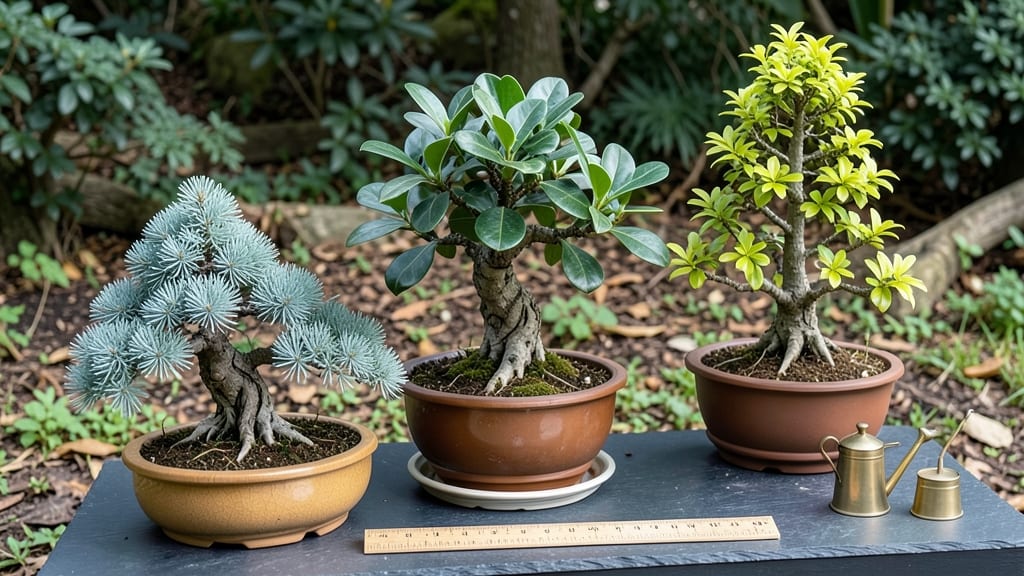
A bonsai tree grows to just 1 to 3 feet tall when cultivated as a miniature—far smaller than its wild counterpart, which can tower over 100 feet in nature. Imagine transforming that oak into a delicate desk ornament, and you begin to grasp the art of bonsai.
But here’s the catch: the height of your bonsai isn’t just about luck or species—it’s a dance between pruning, pot size, and care style. Skip the right techniques, and you might end up with a stubborn, overgrown sapling instead of the elegant masterpiece you envisioned.
In this guide, we’ll break down the height ranges of popular bonsai species like juniper and ficus, explain how pruning and pot selection shape growth, and share pro tips to keep your tree at the perfect height—whether you prefer a compact 1-foot display or a 3-foot statement piece.
Ready to turn that wild tree into a work of art? Let’s dive into the secrets of bonsai height control, from species selection to seasonal care adjustments.

Bonsai tree height by species: what to expect from popular varieties
When I first started bonsai, I assumed all miniature trees stayed the same height—but that’s far from the truth! The natural growth habits of each species determine how tall your bonsai can realistically become.
Some varieties like juniper bonsai naturally stay compact, while others like Chinese elm can grow taller if not carefully managed. Understanding these differences helps you choose the right species for your vision and skill level.
Bonsai height isn’t just about the species, though. Your pruning techniques, pot size, and even the style you pursue (like cascading or formal upright) dramatically influence how tall your tree stays.
For example, a pine bonsai in a shallow pot might grow wider but stay shorter, while the same pine in a deep pot could reach unexpected heights. Let’s explore what to expect from popular bonsai species.
Dwarf species like juniper or serissa are ideal for beginners because they naturally stay small, often under 12 inches when properly maintained. On the other hand, standard species like ficus or maple can grow much taller if not pruned regularly. The key is matching your expectations to the species’ natural growth tendencies and your willingness to invest time in maintenance.
If you’re a beginner, I recommend starting with juniper or serissa because their natural dwarf tendencies make them forgiving for first-timers. These species are less likely to outgrow your expectations if you accidentally skip a pruning session.
For example, a juniper bonsai might only grow 1–2 inches per year under ideal conditions, making it easier to maintain a consistent height.
On the other hand, ficus and Chinese elm are popular choices for intermediate growers because they’re hardier and faster-growing. However, their height can balloon if you’re not diligent with root pruning and branch trimming.
I once had a ficus bonsai that shot up to 3 feet in a year because I underestimated how quickly it would recover from pruning!
For those who love seasonal interest, maple bonsai is a stunning choice, especially the Japanese maple varieties. These trees naturally grow 10–20 inches tall in bonsai form but reward you with vibrant fall foliage.
The trade-off? They require more precise pruning to maintain their delicate leaf structure. I’ve found that late winter pruning (just before buds swell) works best for keeping their height in check.
Pine bonsai are among the most challenging yet rewarding to grow, especially if you want a thick, aged trunk. Mature pine bonsai can reach up to 3 feet, but their slow growth rate (often just 2–4 inches per year) means you’ll spend years shaping them.
The key is using wiring techniques to guide branches into place while the tree is still young. I’ve seen <
How pruning and care style control bonsai tree height
Mastering bonsai height isn't about shrinking a tree—it's about guiding its natural growth with precision. The formal upright style keeps your tree compact at 12-18 inches, while cascading styles may stretch 24-36 inches with drooping branches. Your pruning choices determine whether your bonsai stays miniature or defies expectations.
Start with branch trimming to shape the canopy. Cut just above a leaf node or bud to encourage new growth in the right direction. For height control, focus on the topmost branches—removing them forces energy downward, creating a fuller, shorter silhouette.
Remember, less aggressive pruning equals slower height gain.
Root pruning is your secret weapon for height management. Every 2-3 years, trim 20-30% of roots during repotting. This restricts nutrient flow, slowing vertical growth. Choose a shallow pot (3-6 inches deep) for dwarf species like Juniper or Ficus to naturally limit height.
Deeper pots encourage taller growth—use them only for semi-bonsai styles.
⚠️ WARNING: Pruning Pitfalls That Stunt or Stretch Your Bonsai
Care styles dictate height limits. A formal upright bonsai thrives at 12-18 inches with a straight trunk, while windswept styles may reach 24 inches due to their dramatic angles.
For cascading bonsai, let branches trail 12-24 inches below the pot—this "height" is vertical, but the horizontal spread makes it appear taller. Always match your pot size to the style: smaller pots = shorter trees.
Seasonal timing matters. Prune Ficus or Juniper in late spring when new growth emerges, but avoid heavy cuts in fall or winter—this stresses the tree and encourages uncontrolled height spikes the next season.
For deciduous bonsai like Maple, wait until after leaf drop to prune, as winter dormancy helps wounds heal faster.
Patience is key—bonsai height isn't about quick fixes. A 5-year-old Juniper bonsai might stay under 12 inches with consistent care, while a 10-year-old Pine could reach 24 inches if grown in a large pot with minimal pruning.
Track your tree's growth with a sketch every 3 months, adjusting pruning based on its natural tendencies. The goal isn't perfection—it's harmony between your vision and the tree's personality.