
How To
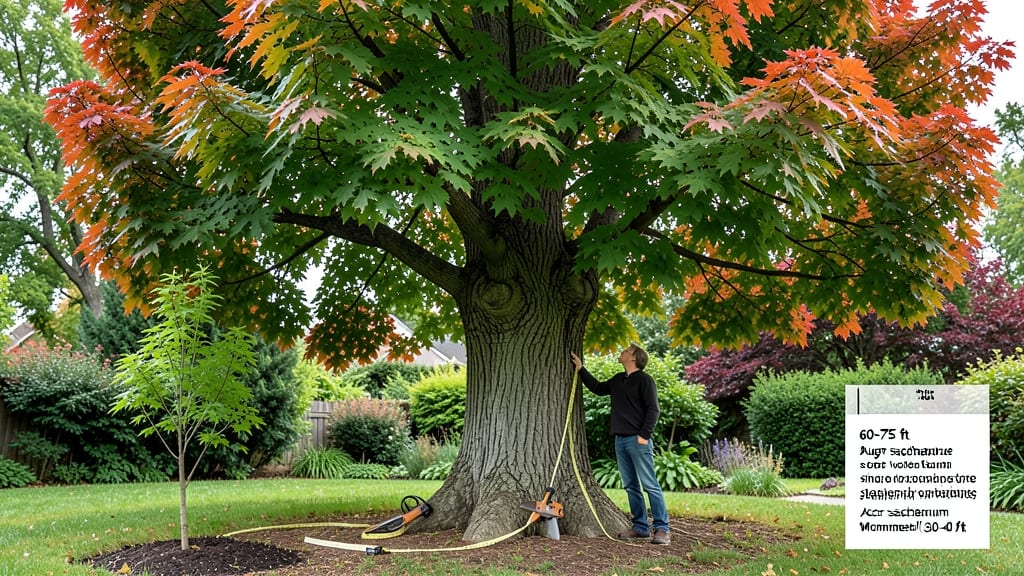
A maple tree can grow how tall can a maple tree grow anywhere from 30 feet to a towering 120 feet, depending on the species and growing conditions 🌳 — and yes, that means some varieties will dwarf your house while others fit neatly into a small yard.
If you’re dreaming of a towering shade provider or a striking landscape centerpiece, knowing how tall your maple tree can grow is the first step. Some species, like the sugar maple, reach skyscraper heights, while others, like the dwarf Japanese maple, stay perfectly manageable at just a few feet tall.
But height isn’t just about the species—climate, soil quality, and sunlight play huge roles. A red maple in the Northeast might hit 70 feet, while the same tree in a dry, hot region could struggle to reach half that height.
That’s why spacing and pruning matter just as much as the variety you choose.
In this guide, I’ll break down the height ranges for the most popular maple species, how to control growth if you need a smaller tree, and whether your yard is better suited for a 30-foot beauty or a 100-foot giant. Let’s get started!

Maple tree height by species: from dwarf to giant varieties
Choosing a maple tree for your landscape means understanding its mature height potential—because some varieties grow into towering giants while others stay compact enough for small yards.
The Sugar Maple (Acer saccharum) can reach 75-100 feet in ideal conditions, while the Japanese Maple (Acer palmatum) often stays under 25 feet even at maturity. Your location and soil type also play huge roles in how tall your tree will grow, so let’s break down the specifics by species.
The Red Maple (Acer rubrum) is another heavyweight, typically climbing to 40-60 feet with a spread of 30-40 feet, making it perfect for large properties. Meanwhile, dwarf varieties like 'Autumn Blaze Dwarf' top out at just 15-25 feet, ideal for urban gardens or patios.
Knowing these differences helps you avoid planting a giant where space is limited—or missing out on a stunning shade tree for your backyard.
Here’s a quick reference for 10+ common maple species and their mature heights, including regional growth variations and ideal climates:
| Species | Mature Height (ft) | Spread (ft) | Ideal Climate Zones | Notes |
|---|---|---|---|---|
| Sugar Maple (Acer saccharum) | 75-100 | 50-75 | USDA Zones 3-8 | Slow-growing; thrives in moist, well-drained soil |
| Red Maple (Acer rubrum) | 40-60 | 30-40 | USDA Zones 3-9 | Fast-growing; adaptable to various soil types |
| Silver Maple (Acer saccharinum) | 50-80 | 40-60 | USDA Zones 3-9 | Fast-growing but weak wood; prone to storm damage |
| Japanese Maple (Acer palmatum) | 15-25 | 15-20 | USDA Zones 5-8 | Dwarf varieties; prefers acidic, well-drained soil |
| Norway Maple (Acer platanoides) | 50-70 | 40-50 | USDA Zones 4-7 | Aggressive root system; can outcompete grasses |
| Boxelder Maple (Acer negundo) | 30-50 | 25-40 | USDA Zones 2-9 | Fast-growing; invasive in some regions |
| Autumn Blaze Maple (Acer × freemanii) | 40-50 | 30-40 | USDA Zones 4-8 | Hybrid; disease-resistant and fast-growing |
| Paperbark Maple (Acer griseum) | 20-25 | 15-20 | USDA Zones 5-8 | Exfoliating bark; slow-growing and ornamental |
| Amur Maple (Acer ginnala) | 15-20 | 15-20 | USDA Zones 3-8 | Cold-hardy; great for small landscapes |
| Snakebark Maple (Acer capillipes) | 25-35 | 20-25 | USDA Zones 5-8 | Striking bark; slow-growing and elegant |
If you’re in the Northeast or Midwest, where
How climate and soil affect maple tree growth height
Maple trees are stunning landscape stars, but their growth height can vary dramatically depending on where you plant them. A Sugar Maple in the Northeast U.S. might reach 75-100 feet, while the same tree in arid Southwest regions could struggle to exceed 40 feet.
Climate and soil conditions literally shape your tree’s future—so let’s dig into what makes the difference.
Sunlight is the first game-changer. Maple trees thrive in full sun (6+ hours daily), but varieties like Japanese Maples tolerate partial shade. In low-light zones, growth slows significantly, often resulting in shorter, denser canopies.
Meanwhile, Silver Maples in humid climates can shoot up 3-5 feet per year when given ideal conditions.
⚠️ WARNING: Soil pH and drainage can stunt or supercharge growth
Regional climate zones play a starring role. The Northeast’s cool summers and humid air create perfect conditions for Sugar Maples to hit their 100-foot potential.
But in hot, dry climates, even fast-growing Silver Maples may only reach 50 feet without extra water. Japanese Maples, however, thrive in cooler, temperate zones like the Pacific Northwest, where they develop their iconic miniature forms.
Water drainage is another silent growth regulator. Maple trees despise waterlogged roots, which trigger stress responses that slow height gains. In wet climates, choose elevated planting spots or raised beds to prevent root suffocation.
Conversely, drought-prone areas need deep, infrequent watering to encourage deep root systems—key for supporting taller growth.
Don’t overlook microclimates within your yard. A South-facing slope can push a Red Maple to 80 feet, while the same tree in a north-facing valley might max out at 50 feet.
Test your soil’s drainage rate (dig a hole, fill with water—if it drains in 2 hours, it’s ideal). Adjust with organic matter if needed.
For small-space gardeners, focus on dwarf varieties like 'Autumn Blaze Dwarf' (15-25 feet) and plant them in well-draining, slightly acidic soil. In large landscapes, prioritize Sugar or Red Maples with full sun and moist, fertile soil to unlock their full height potential.
The right conditions turn a maple tree from a modest shrub into a sky-scraping giant—or vice versa.