
Pruning
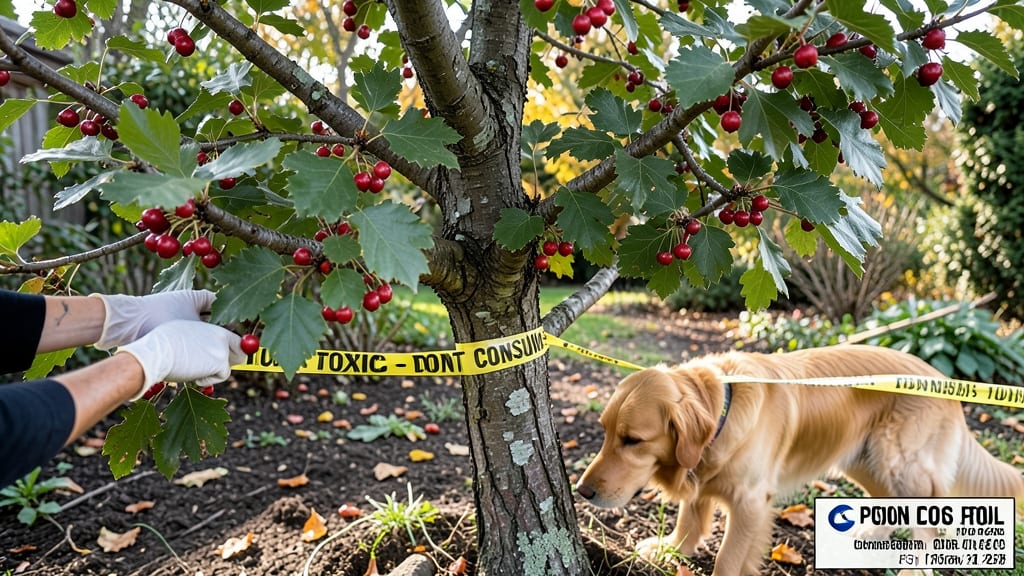
Hawthorn tree poison originates from its leaves, seeds, and bark, where cardiac glycosides and cyanogenic glycosides trigger severe symptoms like nausea, vomiting, and life-threatening heart irregularities if consumed in large quantities. Always avoid ingesting any part of the plant and use protective gloves during handling to shield against skin contact or accidental exposure for pets and children.
Hawthorn trees contain potent toxins that can wreak havoc on your nervous and cardiovascular systems. 🌿 The cardiac glycosides in hawthorn—like those found in foxglove—disrupt your heart's electrical signals, while cyanogenic glycosides release cyanide when broken down.
Even small amounts can cause dizziness, rapid heartbeat, or respiratory distress, making these trees particularly hazardous for curious pets or livestock. I always recommend removing fallen berries and seeds promptly from your yard to minimize risks, especially if you have curious animals roaming around.
If you're pruning hawthorn trees, take extra precautions: wear long sleeves, gloves, and a mask to avoid inhaling fine particles. 🚨 Never compost hawthorn clippings, as the toxins can linger in soil and affect future plantings.
For accidental ingestion, seek emergency medical help immediately—do not induce vomiting without professional guidance, as the toxins can cause further damage during expulsion.
💡 In This Article
- Toxic Compounds in Hawthorn Trees: What Makes Them Dangerous
- Safety Precautions When Pruning or Planting Hawthorn Trees
Toxic compounds in hawthorn trees: what makes them dangerous
Hawthorn trees contain two primary classes of toxins that pose serious health risks: cardiac glycosides and cyanogenic glycosides. The cardiac glycosides, such as crataegus glycosides, work by inhibiting the sodium-potassium pump in heart cells, disrupting the electrical signals that regulate heartbeat.
This can lead to bradycardia (slow heart rate) or even fatal arrhythmias, similar to the effects of digitalis or foxglove. 🔥 The seeds are particularly concentrated in these compounds, containing up to 10 times more cardiac glycosides than the leaves or bark.
The cyanogenic glycosides, like amygdalin, release hydrogen cyanide when metabolized, targeting the respiratory system and central nervous system. This dual mechanism explains why hawthorn poisoning often manifests as both cardiac and respiratory distress.
The bark contains moderate levels of both toxins, while the leaves have lower concentrations but still pose risks if ingested in large quantities. For comparison, consuming just 50-100 grams of hawthorn seeds could be lethal to an adult, whereas leaves would require 200-300 grams to reach similar toxicity levels.
Interestingly, hawthorn's medicinal uses rely on these same compounds—but at highly controlled doses. Herbal supplements use standardized extracts containing 0.5-2% cardiac glycosides, far below toxic levels. The key difference is preparation: medicinal doses are purified and monitored, while raw plant ingestion delivers unpredictable, often deadly concentrations.
This dual nature makes hawthorn a fascinating case study in how dosage determines whether a substance becomes medicine or poison. 💛
Symptoms typically appear within 1-6 hours of ingestion, starting with gastrointestinal distress (nausea, vomiting, diarrhea) before progressing to neurological signs (dizziness, confusion) and cardiac symptoms (irregular heartbeat, low blood pressure). Children and pets are especially vulnerable due to their smaller body size and lower tolerance for toxins.
The cyanide component can cause bitter almond-like breath and cherry-red skin discoloration—a classic sign of cyanide poisoning.
What most people don't realize is how persistent these toxins remain in the environment. Even dried leaves or seeds retain their potency for months, and composting hawthorn waste can contaminate soil for future plantings.
The toxins are also water-soluble, meaning rain can leach them into groundwater if fallen berries accumulate in drainage areas. This persistence is why gardeners must treat hawthorn with the same caution as other highly toxic plants like oleander or castor bean.
To put this into perspective, hawthorn's toxicity rivals that of black cherry bark (another cyanogenic glycoside source) but with added cardiac risks. While black cherry primarily affects respiration, hawthorn's dual-action toxins create a more complex and dangerous poisoning profile.
This is why emergency responders often treat hawthorn exposures as medical emergencies requiring immediate cardiac monitoring, even when initial symptoms seem mild. ✨
If you're considering hawthorn for landscaping, be aware that its ornamental berries are particularly attractive to wildlife—birds may spread seeds widely, creating new toxic plants in your area. The bright red berries can also tempt children or pets, making proper identification and removal crucial.
Always verify plant identification before handling, as many non-toxic hawthorns exist (like the Crataegus oxyacantha varieties used in hedgerows), but their toxic potential remains a serious consideration for any gardener. 💫