
Pruning
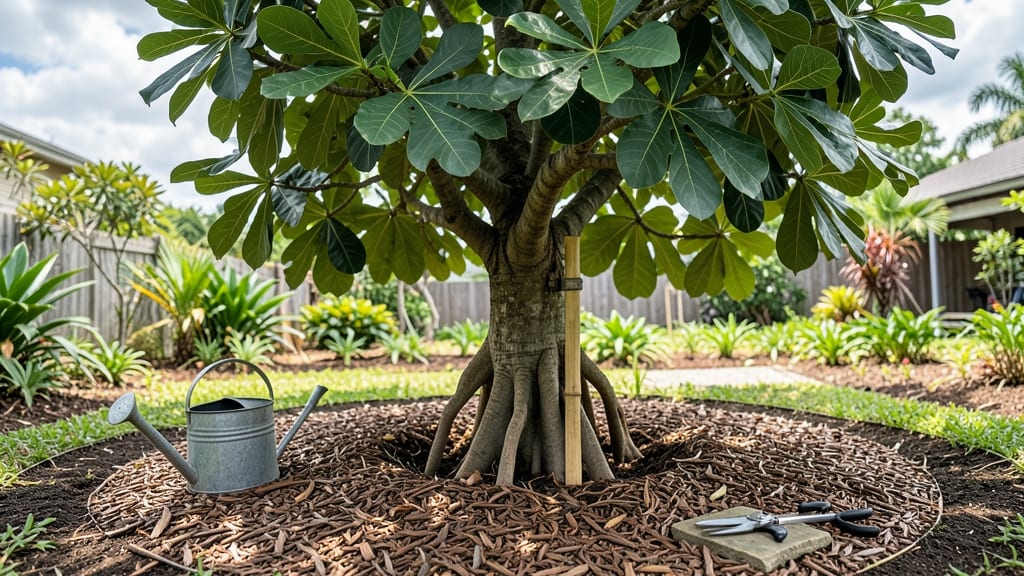
Caring for a breadfruit tree means unlocking a tropical treasure that feeds families for years. 🌿 The key to its year-round productivity starts with understanding its roots—literally. This tree thrives when its soil stays rich, its watering is consistent, and its branches are shaped to maximize fruit production.
Most people struggle with overwatering or pruning too late, but the secret is simple: mimic its natural subtropical habitat. That means well-draining soil, morning sun exposure, and pruning only when the tree is actively growing.
I’ve seen breadfruit trees produce three harvests a year when cared for this way. You’ll end up with a lush, 15-foot-tall canopy that shades your yard while feeding your family. The fruit ripens at different times on the same tree, so you always have something fresh to enjoy.
The best part? Once established, this tree needs minimal care beyond occasional pruning. Perfect for warm climates, but with the right adjustments, you can even grow one in containers if you live in cooler zones. Let’s get your breadfruit tree thriving!
📚 In This Guide
- What you need
- Instructions
- Tips and common mistakes
- Wrapping up and next steps
What you need
- ● Breadfruit sapling or seedling: 1 healthy, disease-free specimen (preferably 1–3 years old for faster growth).
- ● Well-draining soil: 3–5 cubic yards (depending on pot size or planting space). Mix equal parts of: Topsoil
- ● Compost
- ● Perlite or coarse sand
- ● Fertilizer: Balanced organic fertilizer (10-10-10 NPK ratio) or compost tea (apply every 3–6 months).
- ● Pruning tools: Sharp bypass pruners (for small branches)
- ● Pruning saw (for thicker stems >1 inch)
- ● Disinfectant (70% isopropyl alcohol or bleach solution) to sterilize tools between cuts.
- ○ Support structures (optional but helpful): Stakes (2–4 bamboo or wooden stakes, 6–8 feet tall)
- ● Ties (soft garden twine or rubber tree straps)
- ● Climate: Tropical or subtropical (USDA Zones 10–12). No frost! (Use a greenhouse or indoor grow light in cooler zones.)
- ● Sunlight: Full sun (6+ hours daily). Dappled shade is okay for young trees.
- ● Water: Consistent moisture (1–2 inches per week). Drought-tolerant once established but never waterlogged.
- ● Space: Mature trees need 30–50 feet in diameter. Dwarf varieties (e.g., ‘Ice Cream’) thrive in containers (20+ gallon pots).
- ● 🌱 Test your soil! Breadfruit loves slightly acidic to neutral pH (6.0–7.0). Adjust with lime or sulfur if needed.
- ● 🔥 Mulch matters: Apply 2–3 inches of organic mulch (wood chips or straw) to retain moisture and regulate temperature.
- ● ✨ Patience pays off: Young trees may take 3–5 years to bear fruit—prune lightly to encourage a strong structure!
Step-by-step guide to year-round breadfruit tree care
Here’s how I keep my breadfruit trees lush and productive through every season—no guesswork, just proven techniques.
🌱 Step 1: Plant in Well-Draining Soil with Full Sun
Breadfruit thrives in rich, slightly acidic soil with a pH between 6.0 and 7.0. Mix in compost or aged manure before planting to boost fertility—this tree is a heavy feeder. Dig a hole twice as wide as the root ball but only as deep, then place the tree so the graft union sits 1-2 inches above soil level. This prevents rot while allowing the roots to establish properly.
Position your tree in full sun—at least 6-8 hours daily. Breadfruit is tropical and won’t tolerate frost, so if you’re in a cooler zone, grow it in a large container that you can move indoors during winter. I’ve seen trees struggle when shaded, so avoid planting near tall structures or dense foliage that could block light.
☀️ Step 2: Water Deeply and Consistently
Water deeply 2-3 times per week during the first year to encourage strong root growth. Let the top 4-6 inches of soil dry out between waterings—this prevents root rot while keeping the tree hydrated. Once established, breadfruit trees are drought-tolerant but produce better fruit with regular moisture. You’ll know it’s thriving when the leaves stay deep green and slightly leathery—wilting or yellowing means it’s thirsty.
Mulch around the base with 3-4 inches of organic mulch (like wood chips or straw) to retain moisture and regulate soil temperature. Keep the mulch 6 inches away from the trunk to avoid rot. I refresh the mulch every 3-4 months to maintain its effectiveness.
🌿 Step 3: Fertilize Seasonally for Optimal Growth
Feed your breadfruit tree twice a year—once in early spring and again in early summer—using a balanced, slow-release fertilizer (like 10-10-10 or 8-3-9). Apply ½ cup per year of growth around the drip line (the edge of the tree’s canopy). This encourages leafy growth and fruit production without overloading the soil. Avoid high-nitrogen fertilizers late in the season—they promote foliage at the expense of fruit.
In winter, switch to a low-nitrogen, high-phosphorus fertilizer (like 5-10-10) to support root development. You’ll notice new shoots emerging in spring if the tree is well-fed—this is your signal that the fertilizer is working. If the leaves turn yellow or brown, flush the soil with water to prevent salt buildup from over-fertilizing.
✂️ Step 4: Prune for Shape and Fruit Production
Prune lightly in late winter or early spring before new growth begins. Remove dead, diseased, or crossing branches first—this improves airflow and reduces pests. Then, thin out overcrowded branches to let sunlight reach the center of the tree. Breadfruit trees fruit on new growth, so avoid heavy pruning that could reduce next year’s harvest.
Shape the tree into a rounded canopy by trimming back overly long branches to 12-18 inches from the trunk. This encourages a strong, balanced structure and makes fruit easier to reach. I prune with sterilized shears to prevent spreading disease—wipe them with rubbing alcohol between cuts.
🪴 Step 5: Protect Against Pests and Diseases
Breadfruit trees are generally pest-resistant, but mealybugs, scale, and aphids can still appear. Inspect the undersides of leaves weekly for sticky residue (honeydew) or white cottony masses—these are red flags. Treat infestations early with neem oil or insecticidal soap, applying in the early morning or late evening to avoid harming beneficial insects.
Fungal diseases like root rot or leaf spot thrive in wet conditions. If you notice yellowing leaves with brown spots, improve drainage and avoid overhead watering. I’ve found that copper fungicide works well for stubborn issues, but prevention—like proper spacing and airflow—is always better than treatment.
Tips & tricks for perfect year-round breadfruit growth
Took me years to figure out these secrets—now your breadfruit tree can thrive no matter the season.
Soil Preparation: Before planting, test your soil pH using a simple kit from your garden center. Breadfruit trees are sensitive to extremes, so aim for that 6.0-7.0 range—they'll reward you with lush foliage and abundant fruit. I've seen trees planted in slightly alkaline soil (7.5+) struggle with nutrient uptake, so adjust with sulfur if needed. The compost or aged manure mentioned in Step 1 should be well-rotted; fresh manure can burn roots and set your tree back months.
Light Management: Those 6-8 hours of direct sunlight are non-negotiable, but here's what I've learned about maximizing light exposure: If you're in a cooler climate and must use containers, choose black or dark-colored pots—they absorb more heat and create a warmer root zone. Also, rotate your container-grown tree quarter-turn every week so all sides get equal light, preventing lopsided growth. I've had trees develop weak branches on the shaded side that never produced fruit.
Watering Strategy: The 2-3 times per week guideline works for most climates, but adjust based on your soil type. Sandy soils dry out faster—water every 2 days during the first year, while clay soils may only need watering every 4 days. Pro tip: Use a moisture meter to check the top 4-6 inches of soil—this is more reliable than guessing. I've ruined trees by overwatering, so always let that top layer dry out between sessions. For container-grown trees, water until it drains from the bottom—this ensures thorough hydration.
Fertilizer Timing: That twice-a-year feeding schedule in spring and summer is perfect, but here's how to make it even more effective: Apply your ½ cup of balanced fertilizer in the morning so it has all day to absorb. Water the tree 24 hours before and after fertilizing to prevent salt buildup. I've noticed trees fertilized in the afternoon often show leaf burn by the next morning—timing matters! For winter feeding, use that 5-10-10 formula and apply it when daytime temperatures stay above 50°F consistently.
Pro Tips for Breadfruit Tree Care
- Took me years to figure out these secrets—now your breadfruit tree can thrive no matter the season.
- Soil Preparation: Before planting, test your soil pH using a simple kit from your garden center.
- Also, rotate your container-grown tree quarter-turn every week so all sides get equal light, preventing lopsided growth.
Frequently asked questions
Got questions about keeping your breadfruit tree happy and productive?
Here are answers to the most common concerns—from pruning to pests and beyond!
How often should I prune my breadfruit tree?
Prune your breadfruit tree once a year during its dormant season (late winter or early spring). Light trimming to shape or remove dead branches can happen year-round, but avoid heavy pruning during fruiting seasons. This keeps the tree healthy and encourages strong growth.
Can I prune too much?
Yes! Over-pruning can stress the tree, reducing fruit production. Never remove more than 25-30% of the canopy in a single session. Focus on dead, diseased, or crossing branches first, and avoid cutting into the main trunk. Patience pays off with a thriving tree!
What pests should I watch for?
Common pests include mealybugs, scale insects, and fruit flies. Check leaves and fruit regularly. Use neem oil or insecticidal soap for mild infestations. For severe cases, consult a local arborist. Early detection is key to keeping your tree pest-free!
How do I know if my tree is getting enough sunlight?
Breadfruit trees thrive in full sun (6+ hours daily). Signs of insufficient light include yellowing leaves, slow growth, or sparse fruit. If your tree is struggling, consider relocating it to a sunnier spot or supplementing with grow lights indoors.
What can I do if my breadfruit isn’t producing?
Low fruit production often stems from poor pruning, insufficient sunlight, or nutrient deficiencies. Fertilize with a balanced organic mix, ensure proper pruning, and check for pests. Patience is key—young trees (under 5 years) may take time to bear fruit.
Wrapping up and next steps
Caring for a breadfruit tree is a rewarding journey that blends patience, precision, and a touch of tropical flair! 🌿 With the right tools, timing, and techniques—like strategic pruning, proper spacing, and seasonal adjustments—you’ll unlock a thriving canopy that yields bountiful harvests year after year. Remember: consistency is key, and even small tweaks can make a big difference.
Now that you’re armed with expert tips, roll up your sleeves and give your tree the love it deserves! Ready to take the next step? Start by scheduling your first pruning session—watch your breadfruit tree flourish like never before! 🌟