
Pruning
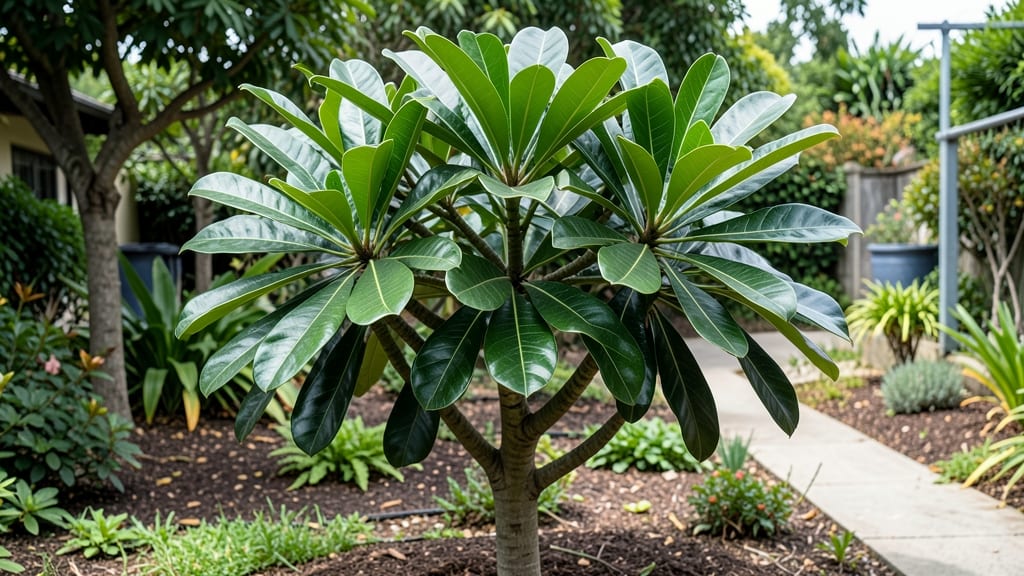
Growing a Schefflera actinophylla 'Ellwoodii' indoors means year-round elegance without needing a sun-drenched window. 🌿 This tree thrives in low light—perfect for offices or dim corners—while still delivering that lush, tropical vibe.
I’ve kept mine alive through office moves, power outages, and even a winter where my apartment felt like a refrigerator. The secret lies in balancing its needs: water when the top inch of soil feels dry, occasional misting for humidity, and a gentle pruning to encourage bushier growth.
Most people overwater it, turning its leaves yellow, but once you nail the routine, it becomes nearly foolproof. My plant now stands taller than me, a living centerpiece that never stops growing.
By following these simple steps, you’ll end up with a tree that looks like it belongs in a botanical garden, not just your living room. The glossy leaves stay vibrant year-round, and the occasional new frond popping out is the best reward.
It’s the kind of plant that makes guests ask where you got it—when really, it’s just good care. Works for any indoor space, from bright apartments to dark offices. Let’s get yours thriving without the guesswork.
📚 In This Guide
- What you need
- Instructions
- Tips and common mistakes
- Wrapping up and next steps
What you need
- ● Ellwoodii Tree: A healthy specimen (ensure it’s disease-free and well-acclimated to indoor conditions).
- ● Well-draining potting mix: 10–12 inches of a blend designed for tropical or indoor trees (e.g., 50% peat moss, 30% perlite, 20% orchid bark).
- ● Pot with drainage holes: 1–2 inches larger in diameter than the current root ball (terracotta or ceramic preferred).
- ● Pruning shears: Sharp, sterilized shears (or small bypass pruners) for trimming.
- ● Gloves: Garden or work gloves to protect hands from sap.
- ● Spray bottle: For misting leaves (especially in dry climates).
- ○ Rooting hormone (optional): If propagating cuttings.
- ● Humidity tray: A shallow tray with pebbles and water to boost moisture levels.
- ● Grow lights: LED or fluorescent lights (12–14 hours/day) if natural light is insufficient.
- ● Fertilizer: Balanced liquid fertilizer (e.g., 20-20-20) diluted to half-strength.
- ● Mulch or decorative stones: For aesthetic appeal around the pot.
- ● Support stake: If your tree is top-heavy or leggy.
Step-by-step guide to growing an Ellwoodii tree indoors
Bringing this striking tree indoors is simpler than you think—its adaptability makes it perfect for homes with lower light.
🌱 Step 1: Select the Right Container and Soil
Choose a 12-14 inch diameter pot with drainage holes—this gives roots room to establish without becoming waterlogged. I always opt for terracotta because it breathes, preventing root rot that can plague indoor trees. Fill the bottom third with orchid bark mix (or a well-draining potting blend) to improve aeration.
Next, add a layer of 4-6 inches of premium potting mix designed for tropical plants. Press it down lightly so it’s firm but not compacted. The Ellwoodii’s roots need both stability and airflow, so avoid garden soil—it’s too dense and holds moisture too long. You’ll know the soil is ready when it feels like a damp sponge that holds its shape when squeezed.
🪴 Step 2: Plant Your Ellwoodii Tree Properly
Remove the tree from its nursery pot and gently loosen the roots if they’re circling tightly. This prevents root-bound stress later. Place the root ball into the center of your prepared pot and fill the remaining space with more potting mix, pressing lightly as you go. Leave a 1-inch gap between the soil surface and the pot’s rim—this prevents overflow when you water.
I always add a 1-inch layer of perlite on top of the soil. This keeps moisture levels balanced and prevents fungal issues. Tap the pot gently on the table to settle everything, then water thoroughly until water drains freely from the bottom. You’ll know it’s done when the soil looks uniformly damp but no longer drips from the holes.
☀️ Step 3: Position for Optimal Light and Humidity
The Ellwoodii thrives in bright, indirect light—think east or north-facing windows. Direct sun can scorch its delicate leaves, so if your home has harsh afternoon light, place it 3-4 feet back from the window. You’ll notice the leaves darken slightly if it’s getting too much sun, or they’ll stretch and pale if it’s not enough light.
Mist the leaves 2-3 times weekly to maintain humidity, or set the pot on a tray filled with pebbles and water. The tree loves humidity levels around 50-60%, which mimics its tropical origins. If leaves start browning at the tips, that’s your cue to increase humidity or move it away from heating vents.
💧 Step 4: Water and Fertilize Consistently
Water when the top 2 inches of soil feel dry—this prevents both underwatering and root rot. Stick your finger in the soil to check; if it’s dry past your first knuckle, it’s time. Water thoroughly until it drains from the bottom, then empty the saucer to avoid soggy roots. I water mine every 7-10 days in winter and 5-7 days in summer, adjusting for temperature and humidity.
Feed with a balanced liquid fertilizer (10-10-10) every 4-6 weeks during spring and summer. Dilute it to half-strength to avoid burning the roots. You’ll see new growth in 2-3 weeks if the fertilizer is working—look for fresh, vibrant leaves emerging from the stem.
✂️ Step 5: Prune and Maintain Year-Round
Prune in early spring to shape the tree and encourage bushier growth. Use clean, sharp pruning shears to trim back leggy branches or yellowing leaves. Cut just above a leaf node where new growth can sprout. This keeps the tree compact and prevents it from becoming top-heavy, which can cause instability.
Wipe the leaves with a damp cloth monthly to remove dust—this helps the tree absorb light more efficiently. Rotate the pot a quarter turn every few weeks so the tree grows evenly toward the light. With proper care, your Ellwoodii will reward you with glossy, deep green foliage and a graceful, tree-like shape year after year.
Tips & tricks for perfect indoor Ellwoodii tree care
These simple strategies will help your Ellwoodii thrive indoors with minimal fuss—no green thumb required.
Container Selection: While terracotta pots are ideal, glazed ceramic pots also work if they have drainage holes. If you're using a decorative pot without drainage, place it inside a cache pot with holes to prevent root rot. The 12-14 inch diameter recommendation gives your tree's roots plenty of room to grow without becoming root-bound.
Soil Preparation: When pressing down the 4-6 inches of premium potting mix, aim for firmness similar to a damp sponge. This provides the right balance of stability and aeration. If your soil feels too loose after pressing, add a thin layer of perlite to the mix—it helps maintain that perfect balance between moisture retention and airflow.
Light Positioning: The 3-4 feet back recommendation from windows is crucial for preventing sunburn. You'll notice the leaves develop a slightly darker green when they're getting just the right amount of indirect light. If your home has only south-facing windows, consider using sheer curtains to diffuse the light further.
Humidity Maintenance: For those without humidifiers, the pebble tray method works wonders. Simply fill a shallow tray with water, place pebbles on top, and set your pot on the pebbles. The evaporating water creates a natural humid microclimate around your tree. This mimics the tropical conditions the Ellwoodii loves, especially during winter when indoor air tends to be drier.
Pro Tips for Ellwoodii Tree Indoors
- These simple strategies will help your Ellwoodii thrive indoors with minimal fuss—no green thumb required.
- Container Selection: While terracotta pots are ideal, glazed ceramic pots also work if they have drainage holes.
- Soil Preparation: When pressing down the 4-6 inches of premium potting mix, aim for firmness similar to a damp sponge.
Frequently asked questions
about growing an Ellwoodii tree indoors—because even the most elegant plants need a little troubleshooting love! Here are answers to the most common questions to keep your low-light darling thriving.Can an Ellwoodii tree survive in low light year-round?
This variety is a low-light champ and thrives under 100–500+ foot-candles of indirect light—perfect for offices, bathrooms, or north-facing windows. Just avoid harsh direct sun, which can scorch its delicate leaves. Pro tip: Rotate it occasionally for even growth!
How often should I water my Ellwoodii tree indoors?
Water when the top 1–2 inches of soil feel dry to the touch (usually every 7–10 days, depending on humidity). Overwatering is the #1 killer—use a pot with drainage holes and let excess water escape. Test it: Stick your finger in the soil; if it’s damp, wait!
Why are my Ellwoodii tree’s leaves yellowing or dropping?
Yellow leaves often signal overwatering or underwatering. Check the soil moisture first! Brown tips? Low humidity or fluoride in tap water (use filtered water instead). Dropping leaves? It might need more light or less stress (like drafts). Fix it: Adjust care and monitor for 2 weeks.
Can I keep my Ellwoodii tree near a heater or AC unit?
Not ideal! These trees hate drafts, cold blasts, or dry heat (like vents). Keep it 3–5 feet away from HVAC sources and mist leaves weekly or use a pebble tray for humidity. Alternative: Group it with other houseplants to create a micro-climate!
Are there smaller Ellwoodii varieties for apartments?
Yes! Look for Dracaena marginata ‘Colorama’ (a compact Ellwoodii relative) or Dracaena ‘Lemon Lime’—both stay under 4–6 feet tall. For dwarf options, try Dracaena ‘Janet Craig’ or Dracaena ‘Warneckei’. Just ensure they get bright, indirect light to stay lush.
Is the Ellwoodii tree pet-safe?
Unfortunately, no. This tree is toxic to cats and dogs if ingested (contains saponins). Keep it out of paws’ reach or opt for pet-friendly alternatives like Spider Plants or Boston Ferns. Symptoms in pets: Drooling, vomiting, or lethargy? Call a vet immediately.
Wrapping up and next steps
Growing an Ellwoodii tree indoors is a rewarding way to bring nature’s elegance into your space—even in low-light conditions! With the right care, this stunning plant can thrive year-round, offering lush foliage and a touch of tropical charm.
Whether you’re a seasoned plant parent or just starting, its adaptability makes it a perfect choice for any home.
Ready to take the next step? Start by assessing your space—ensure proper lighting, humidity, and pruning habits—and watch your Ellwoodii flourish! 🌿✨