
Pruning
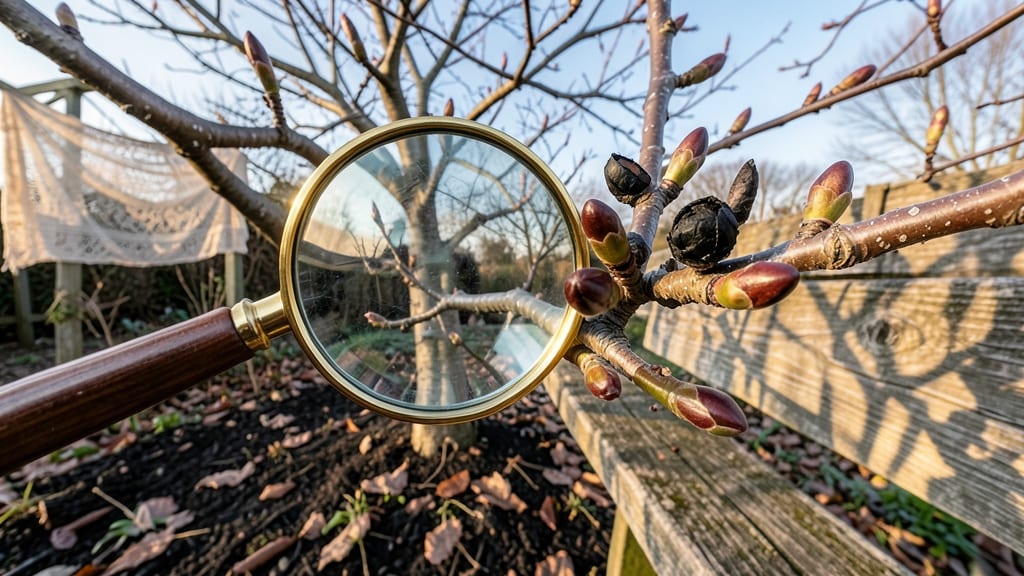
Your tree’s stubborn dead buds might be hiding a simple fix. ✂️ I’ve nursed back more "hopeless" branches than I care to admit—some just needed a strategic cut, others a little extra care. The key is knowing whether those buds are truly dead or just sleeping through stress.
Most dead buds stem from frost damage, fungal infections, or pests gnawing away at new growth. I learned the hard way that waiting too long to act can turn a minor issue into a full-blown branch die-off.
Start by inspecting buds for discoloration, mold, or tiny holes—those clues tell you exactly what’s wrong.
Once you’ve diagnosed the problem, pruning at the right time (late winter or early spring) can shock the tree into new life. Cut just above a healthy bud, and watch as fresh shoots emerge within weeks. For fungal issues, a copper spray does the trick—no harsh chemicals needed.
This method works for fruit trees, ornamental shrubs, and even stubborn old favorites that refuse to bloom. The secret? Timing, patience, and a sharp pair of pruners. Let’s bring those branches back to life.
The Hidden Triggers Behind Dormant Buds
When your tree’s buds fail to bloom or sprout, it’s often a silent cry for help—one rooted in environmental stress, poor care, or even natural aging. Understanding the why behind dead or dormant buds is the first step to bringing your tree back to life.
Below, we break down the most common culprits, backed by science, so you can diagnose the issue and take action.
Bud dormancy is a survival mechanism, but when frosts strike at the wrong time, they can kill tender buds before they’ve had a chance to harden off. Here’s how it happens:
- Timing matters: Buds swell in early spring as temperatures rise, but a sudden late frost (below 28°F/-2°C) can freeze the developing tissue, causing buds to blacken or shrivel. This is especially common in cherry, apple, and peach trees, whose buds are highly sensitive.
- Cold snaps vs. gradual warming: Buds need a period of chilling hours (typically 500–1,000 hours below 45°F/7°C) to break dormancy. If winter warms up early, followed by a hard freeze, buds may "wake up" too soon and get fried.
- Microclimates matter: Low-lying areas, valleys, or spots near water can trap cold air, creating "frost pockets" where buds suffer even if the rest of the yard is fine.
Actionable fix: Monitor your local frost forecast and cover young or sensitive trees with frost cloth or a lightweight blanket on nights when temperatures dip below 32°F/0°C. For established trees, prune in late winter (before buds swell) to remove frost-damaged branches and encourage new growth.
Water is the lifeblood of bud development, but extremes—whether drought or overwatering—can strangle buds before they sprout. Here’s the science:
- Drought stress: Buds need consistent moisture to stay plump and active. If the soil dries out completely, buds abscise (drop off) or remain dormant due to hormonal signals from stressed roots. This is common in oak, maple, and fruit trees during dry spells.
- Overwatering (or poor drainage): Soggy soil cuts off oxygen to roots, leading to anaerobic conditions that produce ethanol—a toxin for plant cells. Buds may appear mushy or fail to break dormancy. Pine, fir, and willow trees are particularly vulnerable.
- Timing of watering: Buds swell in spring, so uneven watering (e.g., deep soaks followed by drought) can cause buds to split or dry out.
Actionable fix:
- 💡 Test soil moisture: Stick your finger 2–3 inches into the soil. If it’s dry, water deeply (1–2 inches per week). If it’s soggy, improve drainage with organic matter (compost or mulch).
- 🌡️ Mulch properly: Apply 2–4 inches of wood chips or straw around the base (but not touching the trunk) to retain moisture and regulate temperature.
Invisible invaders—like borers, scale insects, or fungal pathogens—can feast on buds, leaving them shriveled, hollow, or covered in strange growths. Here’s how to spot the signs:
| Pest/Disease | Symptoms on Buds | Common Host Trees |
|---|---|---|
| Bud blight (fungal) | Blackened, tarry buds that ooze sap; may stick together. | Apple, cherry, peach, plum |
| Scale insects | Sticky residue ("honeydew") on buds; buds fail to open. | Oak, maple, citrus |
| Borers (e.g., dogwood borer) | Holes or sawdust-like frass in buds; wilting new growth. | Dogwood, willow, birch |
| Spider mites | Bud surfaces appear dusty or webbing is visible. | Fruit trees, conifers |
Actionable fix:
- 🔥 Prune infected buds: Remove and dispose of (don’t compost) visibly damaged buds in early spring before pests spread.
- ✨ Apply targeted treatments:
- For fungal blight: Spray with copper fungicide or neem oil before buds swell.
- For insects: Use horticultural oil (dormant season) or insecticidal soap (early spring).
Even the hardiest trees can suffer when placed in the wrong spot. Buds may die due to:
- Competition for sunlight: Shady spots (e.g., under power lines or tall buildings) starve buds of the photosynthesis energy they need to grow. Sun-loving trees like maple, birch, or fruit trees often show stunted buds in low-light areas.
- Windburn or exposure: Constant wind desiccates buds, causing them to dry out or crack. Conifers (pines, spruces) are especially prone to this.
- Soil pH imbalances: Buds struggle to absorb nutrients if soil is too acidic (pH < 5.5) or too alkaline (pH > 8.0). For example, azaleas and rhododendrons need acidic soil (pH 4.5–6.0) to break dormancy.
- Urban pollution or salt damage: Trees near roads or treated with road salt may have buds that fail to open due to chemical stress.
Actionable fix:
- 🌿 Improve growing conditions:
- Move young trees to sunnier, sheltered spots if possible.
- Add mulch or windbreaks (like a fence or hedge) to protect buds.
- 📊 Test soil pH: Use a home test kit or send a sample to a local extension office. Amend soil with lime (to raise pH) or sulfur/peat moss (to lower pH) as needed.
- 🚫 Avoid salt exposure: Fl
Revive Dormant Branches Fast
Seeing dead or dormant buds on your tree can be disheartening, but the good news is that most issues are fixable with the right approach. Below, we’ve mapped out practical solutions tailored to the most common causes—from environmental stress to improper pruning.
Follow these steps to nurse your tree back to health and prevent future problems.
If your tree’s buds are struggling due to drought, extreme heat, or nutrient deficiency, the first step is to address its basic needs.
💧 Hydrate Deeply & Consistently
- Water at the base (not the leaves) to encourage deep root growth. Aim for 1–2 inches of water per week, adjusting for clay soil (less) or sandy soil (more).
- Mulch properly: Spread 2–4 inches of organic mulch (wood chips, straw) around the tree’s drip line (the area directly under the canopy), but keep it 6 inches away from the trunk to avoid rot.
- 💡 Pro Tip: Use a soaker hose or drip irrigation for slow, even watering. Early morning is the best time to water—avoid evening sessions to prevent fungal growth.
🌿 Boost Soil Health
- Test your soil (a $20 kit from a garden center works) to check pH and nutrient levels. Most trees thrive in slightly acidic to neutral soil (pH 6.0–7.0).
- Add compost or slow-release fertilizer in early spring. Look for a balanced formula (10-10-10) or one tailored to your tree type (e.g., azalea-specific fertilizer).
- Avoid over-fertilizing, which can burn roots. Follow package instructions closely.
🌡️ Shield from Harsh Elements
- Provide temporary shade if your tree is in a scorching spot (e.g., black plastic tree guards or shade cloth in summer).
- Windbreaks: Plant shrubs or install a burlap windscreen on the windward side to reduce stress.
If dead buds are the result of over-pruning, wrong cuts, or timing issues, it’s time to refine your technique.
🔪 Prune at the Right Time
- Dormant season is best (late winter/early spring, before buds swell). Avoid pruning in fall (unless removing dead wood) or summer (stresses the tree).
- Exception: Light shaping can be done in early summer, but avoid heavy cuts.
👨🍳 Make Clean, Strategic Cuts
- Use sharp bypass pruners (never dull tools—they tear bark). For thicker branches, opt for a pruning saw.
- Cut at the branch collar (the swollen area where the branch meets the trunk) to promote faster healing. Avoid leaving stubs!
- Thin out, don’t shear: Remove no more than 25% of the canopy in one season. Focus on:
- Dead, dying, or crossing branches (🔪)
- Suckers (shoots growing from the base or trunk)
- Water sprouts (fast-growing vertical shoots)
🌿 Encourage New Growth
- After pruning, apply a wound sealant (optional for small cuts) or pruning paste to larger wounds to prevent disease.
- Fertilize lightly post-prune to support recovery, but wait 4–6 weeks to avoid burning new growth.
If pests or pathogens are to blame for dead buds, act quickly to stop the spread.
🐜 Identify & Eliminate Pests
- Aphids/Scale: Blast off with a strong spray of water or use neem oil (mix 1 tbsp neem oil + 1 tsp mild soap + 1 quart water).
- Borers: Drill out infested areas and fill holes with copper mesh to deter re-infestation. Apply borax-based treatments as directed.
- 💡 Pro Tip: Inspect the undersides of leaves and bud crevices—pests love hiding there!
🍄 Combat Fungal Issues
- Prune infected branches (sterilize tools with rubbing alcohol between cuts).
- Apply fungicide: Use copper fungicide or baking soda spray (1 tbsp baking soda + 1 quart water + a few drops of soap) for early-stage infections.
- Improve airflow: Thin the canopy to reduce humidity and fungal spores.
🐛 Prevent Future Infestations
- Keep the area clean: Remove fallen leaves/debris where pests breed.
- Invite predators: Plant marigolds or lavender nearby to attract beneficial insects like ladybugs.
- Monitor regularly: Check for sawdust-like frass (borer droppings) or sticky honeydew (aphid residue).
Once your tree is on the mend, keep these habits to avoid future bud death:
- 📅 Prune annually (even just a little maintenance goes a long way).
- 🌦️ Mulch & water consistently—don’t let soil dry out completely.
- 🌱 Choose the right tree for your climate and space (e.g., drought-resistant varieties like oak or serviceberry).
- 🔍 Watch for early signs: Wilting, discolored leaves, or oozing sap are red flags—act fast!
With patience and the right care, your tree’s dormant buds can burst back to life—often within one growing season. Start with the fixes that match your tree’s specific issues, and soon you’ll see fresh green shoots where there were once dead branches. 🌿✨
Frequently asked questions
Why do some tree buds stay dead even after pruning?
Dead buds after pruning often signal deeper issues like chronic frost damage, fungal infections, or root stress. If the buds were already dead before cutting, the tree won’t regrow from them. Always check for blackened tissue or oozing sap—signs of disease. Prune only healthy-looking branches just above a live bud to encourage new growth.
Can I save a tree with completely dead branches?
Yes, but act fast! If more than 50% of the canopy is dead, prune aggressively to remove dead wood and stimulate new shoots. For severe cases, apply a balanced fertilizer (10-10-10) and monitor for pests. Young trees often recover better than mature ones. If the trunk shows rot or cracks, consult an arborist.
How do I tell if buds are dead or just dormant?
Gently scrape a bud with your fingernail—if it’s brown and crumbly, it’s dead. Healthy buds feel firm and green inside. Test for dormancy by waiting until spring: if buds swell but don’t open after 2-3 weeks of warm weather, they’re likely dead. Frost damage often causes this confusion.
Will mulching help revive dead buds?
Mulching won’t directly revive dead buds, but it prevents future issues by regulating soil temperature and moisture. Apply 2-4 inches of organic mulch (wood chips or straw) around the tree’s base—not touching the trunk. This protects roots from extreme temps and retains moisture for new growth. Combine with proper watering for best results.
Are dead buds contagious to other tree branches?
Only if caused by fungal diseases (like bud blight) or pests (like borers). Remove infected branches immediately and sterilize pruners with rubbing alcohol between cuts. For fungal issues, apply copper fungicide in early spring. Healthy trees rarely spread problems, but weak ones are vulnerable.