
Pruning
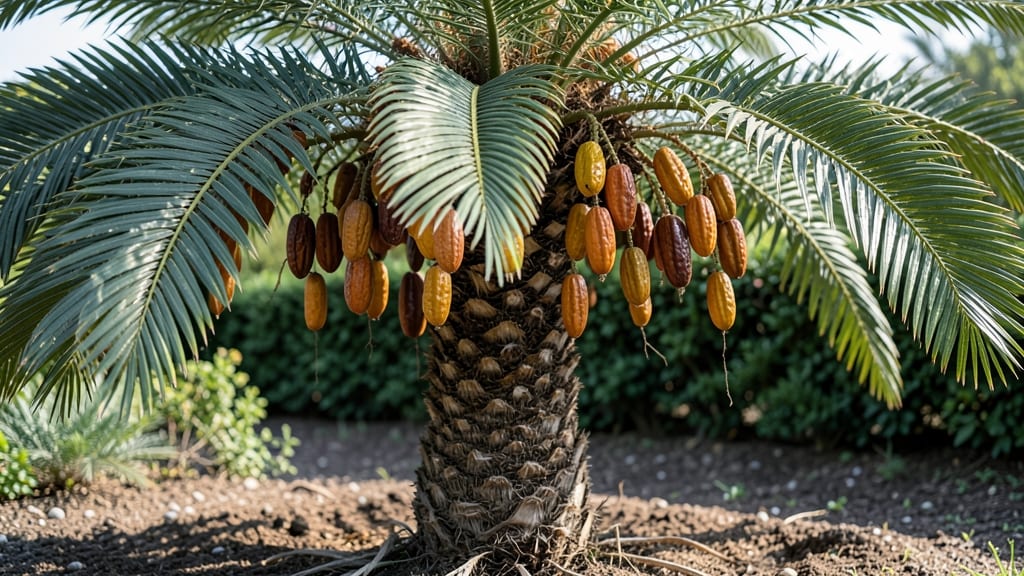
Growing date palm fruit at home means sweet, golden rewards that taste nothing like store-bought. 🌴 I planted my first palm five years ago after seeing a neighbor's tree heavy with clusters—and now I'm hooked on the process of coaxing those plump, caramel-colored fruits from a plant that looks like it belongs in a desert oasis.
The secret starts with the right variety: Medjool palms produce the famous sweet dates, while Deglet Noor offers a firmer, drier fruit. Both need full sun (8+ hours daily) and well-draining soil—sandy loam is ideal, but amended garden soil works too.
My tree thrives in Zone 9-11, but container growing extends this to cooler climates with winter protection. The key is mimicking their native desert conditions: lots of sunlight, minimal frost, and just enough water to keep roots happy without soggy soil.
By year three, your palm should start flowering—male and female flowers on separate plants (or hermaphroditic varieties like 'Barhee'). Pollination happens naturally with wind or insects, but hand-pollinating ensures better fruit set.
With patience, you'll harvest 10-20 pounds of dates per tree at maturity, turning your backyard into a tropical fruit factory. The first taste of homegrown dates? Worth every season of waiting.
Challenges? Yes—pests like palm weevils or cold snaps can set you back. But with the right care, your tree will reward you for decades. Whether you're in Arizona or a container on a patio, this guide covers everything from soil prep to fruit ripening. Let's get those dates growing!
📚 In This Guide
- What you need
- Instructions
- Tips and common mistakes
- Wrapping up and next steps
What you need
- ● Date palm seeds or saplings: Choose Phoenix dactylifera seeds (fresh or dried) or nursery-grown saplings (3-5 feet tall for faster results). Quantity: 1-3 plants (depending on space).
- ● Well-draining potting mix: A blend of 60% cactus/succulent soil, 30% perlite or pumice, and 10% sand. Quantity: 5-10 gallons per plant.
- ● Large containers or in-ground planting area: Containers: 30-50 gallon pots with drainage holes (for urban growers).
- ● In-ground: Full sun exposure (6+ hours daily) in USDA Zones 8-11. Soil pH: 7.0-8.5 (slightly alkaline).
- ● Fertilizer: Slow-release granular fertilizer: 10-10-10 NPK (balanced) or 8-3-9 (palm-specific). Quantity: 1 lb per plant, applied every 3 months.
- ● Micronutrient supplement: Iron chelate or magnesium sulfate (to prevent deficiency).
- ● Watering system: Drip irrigation or soaker hose: For deep, infrequent watering (avoid overhead sprinklers).
- ○ Water storage (optional but helpful): 5+ gallon container for hand-watering.
- ● Pruning tools: Bypass pruners: Sharp, 8-inch pair for clean cuts.
- ● Loppers: 24-inch for thicker fronds (if needed).
- ● Sterilizing solution: 70% isopropyl alcohol or bleach water (1:9 ratio) to disinfect tools.
- ● Mulch: 2-3 inches of organic mulch (straw or wood chips) to retain moisture and regulate temperature.
- ● Soil moisture meter: Ensures you’re watering at the right depth (dates hate soggy roots!).
- ● Palm support stake: 4-6 foot bamboo or metal stake to stabilize young saplings in windy areas.
- ● Shade cloth (30-50% coverage): For seedlings or extreme heat zones (100°F+).
- ● Humidity tray: Shallow tray with pebbles and water to boost humidity for seedlings.
- ○ Growth regulator (optional): Paclobutrazol (follow label instructions) to encourage bushier growth in container plants.
- ● Pollination aid: Small paintbrush or cotton swab to hand-pollinate flowers (if growing from seed).
Step-by-step guide to growing date palm fruit
Here’s how to nurture a thriving date palm for sweet, homegrown fruit—even in less-than-tropical climates.
🌱 Step 1: Select and Plant the Right Palm Variety
Start with a cold-hardy date palm variety like Phoenix dactylifera ‘Medjool’ or Phoenix canariensis if you live in zones 9-11. These varieties tolerate warmer climates better than others. Plant your palm in well-draining soil—sandy loam works best—since soggy roots will kill it quickly. Dig a hole twice as wide as the root ball but only as deep as the container it came in.
Place the palm so the top of the root ball sits 1-2 inches below soil level—this prevents wind from toppling it later. Water deeply right after planting to settle the soil around the roots. If you’re in a cooler zone, grow your palm in a large container (at least 15-gallon) so you can move it indoors during winter freezes.
☀️ Step 2: Provide Full Sun and Warmth Year-Round
Date palms need full sun—at least 8 hours daily—to produce fruit. If you’re growing outdoors in a warm climate, place it in a south-facing spot where it gets unfiltered sunlight. In containers, rotate the pot quarter-turn weekly so the palm grows straight instead of leaning toward the light.
Keep soil temperatures above 65°F for best growth. If nights dip below 50°F, move potted palms indoors near a sunny window or grow light. Without enough warmth, the palm won’t flower—and no flowers mean no fruit. In frost-prone areas, bring the pot inside before temperatures drop below 35°F to protect the roots.
💧 Step 3: Water Deeply but Infrequently
Date palms hate soggy roots, so water deeply every 7-10 days instead of frequent shallow drinks. Stick your finger 2 inches into the soil—if it’s dry, water until moisture reaches 6 inches deep. Overwatering causes root rot, which is fatal. In containers, let the top 3 inches of soil dry out between waterings to mimic desert conditions.
Fertilize once in early spring with a balanced palm fertilizer (10-10-10 or similar) to encourage new growth. Skip fertilizer in winter—palms go dormant when days shorten, and feeding then stresses the plant. Yellowing fronds? That’s normal as old leaves die back, but brown, crispy edges mean you’re overwatering.
⏰ Step 4: Encourage Flowering for Fruit Production
Date palms need consistent warmth and long daylight hours to flower. If your palm isn’t producing fruit after 3-5 years, it may need a stress trigger—like a dry spell followed by deep watering in late summer. This mimics natural desert cycles and signals the palm to flower. Some growers also apply a light frost treatment (brief exposure to 32-35°F) in late winter to stimulate blooming.
Once flowers appear, protect them from wind and pests. Bees are essential for pollination, so avoid pesticides during bloom. Hand-pollinate if needed by gently brushing male flowers onto female spikes with a soft brush. Fruit will develop 6-9 months after flowering, so patience is key—especially with younger palms.
🌿 Step 5: Harvest and Care for Ripe Fruit
Dates ripen 6-9 months after flowering, turning from green to deep amber or reddish-brown. They’re ready when they easily pull away from the stem with gentle pressure. Harvest by twisting the fruit cluster free—don’t cut it, or you’ll damage the palm. Store unripe dates at room temperature to finish ripening; refrigerate fully ripe ones to slow drying.
After harvest, prune dead or yellow fronds at the base with sterilized pruners to keep the palm healthy. Feed lightly in spring with potassium-rich fertilizer (like 0-0-50) to support next year’s fruit production. With proper care, a mature date palm can yield 50-100 pounds of fruit annually—enough for fresh eating, drying, or sharing!
Tips & tricks for growing date palm fruit like a pro
Here's what nobody tells you about nurturing a date palm that actually bears fruit—these details make all the difference in your tropical harvest.
Soil Secrets: The instructions mention well-draining soil, but I can't stress enough how critical this is. Mix in perlite or coarse sand (about 20% of the soil volume) to prevent compaction, especially in containers. I learned this the hard way after my first palm's roots suffocated in dense potting mix. For in-ground planting, consider amending the native soil with 10-20% coconut coir—it mimics the palm's natural desert environment while improving drainage.
Sunlight Strategy: While the instructions specify 8 hours of daily sun, quality matters just as much as quantity. Position your palm where it gets direct morning sunlight (65-90°F range) and filtered afternoon sun in hotter climates (above 90°F). I've seen palms in full afternoon sun develop sunburnt fronds—the edges turn brown and crispy even though the soil temps stayed above 65°F. A sheer curtain can help during peak afternoon heat without blocking light completely.
Winter Survival Hack: The instructions warn about 35°F frost danger, but here's what I do differently: I move potted palms indoors when night temps drop below 45°F—earlier than the instructions suggest. This prevents cold shock that can damage the crown, even if the roots stay above freezing. Place them near a south-facing window with supplemental grow lights for 12-14 hours daily to maintain growth momentum during winter dormancy.
Fertilizer Timing: Spring fertilization is crucial, but I've found adding a second light feeding in early summer (around June) boosts fruit production. Use half-strength palm fertilizer (about 5-5-5) when you notice new fronds emerging. The key is to fertilize during active growth phases—never when the palm is flowering or fruiting, as this diverts energy away from reproduction.
Pro Tips for Date Palm Tree Fruit
- Here's what nobody tells you about nurturing a date palm that actually bears fruit—these details make all the difference in your tropical harvest.
- Soil Secrets: The instructions mention well-draining soil, but I can't stress enough how critical this is.
- Sunlight Strategy: While the instructions specify 8 hours of daily sun, quality matters just as much as quantity.
Frequently asked questions
Got questions about growing and harvesting date palm fruit?
Here are some of the most common queries—plus quick, practical answers to help you cultivate a thriving palm tree!
How long does it take for a date palm tree to bear fruit?
A young date palm tree typically takes 3 to 5 years to produce its first fruit, depending on the variety and growing conditions. Patience is key—proper care, like consistent watering and fertilization, can speed up the process. Once established, mature palms yield fruit for decades!
What’s the best time of year to harvest date palm fruit?
Harvest dates vary by region, but most palms produce fruit in late summer to early fall (August–October in tropical climates). Look for color changes (from green to yellow/brown) and a slight softness when gently squeezed. Overripe fruit falls naturally—pick it promptly!
Can I grow date palm fruit in containers, or do I need a yard?
Yes! Many varieties thrive in large containers (15+ gallons) as long as they get full sun and proper drainage. Just ensure the pot is deep enough (2–3 feet) to support root growth. For indoor growth, supplement with grow lights—though outdoor placement is ideal for maximum fruit production.
Why aren’t my date palm fruits developing, even after years of care?
Common culprits include inadequate sunlight, poor soil drainage, or lack of pollination (hand-pollinating with a brush can help). Check for pests (like palm weevils) or nutrient deficiencies (test soil pH—ideal range is 6.5–7.5). Adjust care and monitor progress!
Are there any easy-to-grow date palm varieties for beginners?
Start with Medjool (sweet, premium dates) or Deglet Noor (hardy, drought-tolerant). For smaller spaces, ‘Barhee’ or ‘Halawi’ are great choices. Always buy from reputable nurseries to ensure disease-free, fruit-bearing stock.
Wrapping up and next steps
Growing date palm fruit is a rewarding journey that blends patience, care, and a touch of tropical magic! 🌴 Whether you’re a seasoned gardener or a curious beginner, mastering the art of nurturing these resilient trees unlocks a year-round harvest of sweet, nutrient-rich dates.
Start small—plant a sapling, refine your pruning skills, and watch your efforts bloom into a bountiful grove.
Ready to take the next step? Research local climate zones, connect with fellow date palm enthusiasts, or even experiment with grafting for rare varieties. Your future harvest (and taste buds!) will thank you. 🍇✨