
Pruning
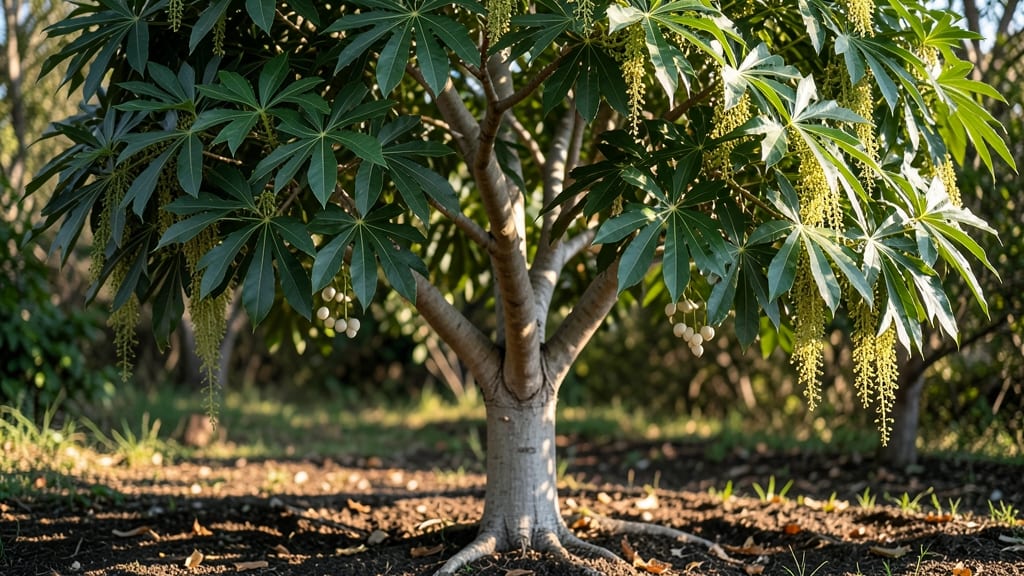
Your Chinese tallow tree in Florida could be a stunning landscape star—if you prune it right. 🌿 This fast-growing tree thrives in the Sunshine State but needs strategic cuts to stay healthy and blooming. I’ve spent years perfecting the technique after watching my first tree turn into a tangled mess.
The secret lies in timing and technique: prune in late winter to early spring before new growth starts. Remove dead or crossing branches first, then thin out crowded areas to improve airflow. Florida’s humidity means disease lurks if branches stay too dense.
I’ve seen trees go from leggy and sparse to lush and full in just one season with the right approach. You’ll end up with a tree that blooms reliably, resists pests better, and maintains that classic pyramid shape.
The flowers attract pollinators, and the seed pods add winter interest—if you keep up with maintenance. Just remember, this isn’t a tree for every yard in Florida due to its invasive tendencies outside controlled settings.
Start with basic pruning tools: sharp bypass pruners, loppers for thicker branches, and safety gear. Florida’s heat means you’ll want to work early morning or late afternoon to avoid stressing the tree.
I always sanitize my tools with rubbing alcohol between cuts to prevent disease spread—something I learned the hard way after a fungal outbreak.
Watch for signs of over-pruning like excessive leaf drop or stunted growth. If you cut too aggressively, the tree may struggle to recover before Florida’s summer heat sets in. I’ve also noticed that younger trees respond better to pruning than mature ones, so don’t hesitate to shape them early.
Native alternatives like the Florida sabal palm offer similar structure without the invasive risks.
For Florida gardeners, the key is balance: keep your Chinese tallow tree healthy enough to enjoy its beauty while managing its growth to prevent it from becoming a landscape nuisance. With the right pruning, you’ll have a tree that’s both productive and well-behaved in your yard.
📚 In This Guide
- What you need
- Instructions
- Tips and common mistakes
- Wrapping up and next steps
What you need
- ● Pruning shears: Bypass pruners (for small branches, ¼"–¾" diameter). Choose sharp, stainless-steel blades to avoid crushing.
- ● Loppers: 1 pair (for medium branches, ¾"–2" diameter). Look for ratcheting or bypass models for leverage.
- ● Pruning saw: 1 hand saw (for thick branches, 2"+ diameter). Opt for a curved-tooth saw to prevent tear-out.
- ● Extension pole: 1 (6–10 ft) with a saw or pruner attachment for high branches.
- ● Gloves: 1 pair of cut-resistant, heavy-duty gloves (Chinese Tallow sap can irritate skin!).
- ● Disinfectant: 70% isopropyl alcohol or a pruning sealant (to prevent disease spread).
- ○ Heavy-duty trash bags: 2–3 (for debris cleanup). Optional: A wheelbarrow if pruning large volumes.
- ● Ladder: 1 (if branches exceed 8 ft). Use a stable, non-slip model with a harness for safety.
- ● Safety gear: Safety glasses (to shield from debris).
- ● Ear protection (if using a chainsaw for large limbs).
- ● Long sleeves/pants (to protect from sap and thorns).
- ● Chainsaw: For thick, woody branches (3"+). Pair with a chain oil and safety chaps.
- ● Pruning paint/sealant: To coat cut surfaces and prevent disease (e.g., Tanglefoot Tree Wound Pruning Seal).
- ● Workshop space: A hose and bucket to rinse tools post-pruning (removes sap/resin).
- ● Notebook/pencil: To map out cuts or track growth patterns over time.
Step-by-Step guide to pruning Chinese tallow trees in Florida
Here's how to keep your Chinese tallow tree thriving with simple, effective pruning techniques.
✂️ Step 1: Identify the Right Time to Prune
Prune your Chinese tallow tree in late winter or early spring, just before new growth begins. This is when the tree is dormant, making it less stressful for the plant. Avoid pruning in fall—it can stimulate new growth that won't harden off before cold snaps, leaving branches vulnerable to frost damage.
Look for bare branches or areas where growth has slowed. These are your first targets. The tree’s natural growth pattern in Florida means it responds best to pruning when it’s about to burst into new energy, usually around February or March depending on your microclimate.
✂️ Step 2: Remove Dead, Diseased, or Weak Branches
Start by cutting out any dead, diseased, or crossing branches. Use clean, sharp pruners to make precise cuts just outside the branch collar—the swollen area where the branch meets the trunk. This ensures the tree can seal the wound properly and prevents decay.
If you see branches rubbing against each other, remove the smaller one to reduce competition for resources. Weak or thin branches that don’t contribute to the tree’s structure should also go. You’ll know a branch is dead if it’s brittle, lacks leaves, or oozes sap when cut—these are clear signs it’s past saving.
✂️ Step 3: Thin the Canopy for Better Airflow
Thin the canopy by removing up to 25% of the foliage to improve airflow and sunlight penetration. Focus on branches growing inward or downward, as these block light and encourage fungal growth. Start from the outer edges and work your way in, cutting back to a lateral branch or bud.
Chinese tallow trees in Florida can get dense quickly, so thinning prevents pests and diseases. Aim for an open, vase-like shape that allows light to reach the lower branches. You’ll see the difference immediately—more sunlight on the lower canopy means healthier growth all the way down.
✂️ Step 4: Shape for Balance and Structure
Step back and assess the tree’s overall shape. Prune to maintain a balanced silhouette, removing any branches that disrupt the natural form. For young trees, guide growth by selectively cutting back taller branches to encourage a fuller, wider spread. For mature trees, focus on removing branches that grow too close to the ground or those that weaken the tree’s structure.
Use hand pruners for small branches and a pruning saw for thicker limbs. Always cut at a 45-degree angle just outside the branch collar to promote faster healing. If a branch is over 2 inches thick, consider making a three-cut technique to avoid tearing the bark.
🌿 Step 5: Clean Up and Monitor for Recovery
After pruning, remove all debris from the ground to prevent pests and diseases from taking hold. Sterilize your pruners with rubbing alcohol between cuts to avoid spreading pathogens. Water the tree deeply to help it recover, especially if you’ve made significant cuts.
Watch for new growth in 4-6 weeks—this is your sign that the pruning was successful. If you notice excessive sap oozing or wilting leaves, the cuts may have been too severe. Chinese tallow trees are resilient, but even they need time to heal after heavy pruning.
Tips & tricks for pruning Chinese tallow trees in Florida
Took me years to learn these pruning secrets—now your Chinese tallow tree can thrive with minimal stress. Here's what nobody tells you about keeping these trees healthy.
Timing is Everything: The late winter to early spring window (February-March) is non-negotiable for Florida's climate. I learned this the hard way after pruning in fall and watching new growth get frostbitten. Look for those telltale bare branches—these are your first targets. The tree's natural growth cycle means it's about to burst with energy, making it perfect for pruning. If you miss this window, wait until absolutely necessary, but you'll compromise the tree's health.
Precision Cuts Make All the Difference: When removing branches in Step 2, the 45-degree angle just outside the branch collar is your secret weapon. I used to make sloppy cuts and ended up with ugly wounds that took forever to heal. The key is to cut cleanly—this helps the tree seal the wound faster and prevents decay. For branches over 2 inches thick, the three-cut technique prevents bark tearing, which I only discovered after seeing some ugly tears on my first attempt. Always sterilize your pruners between cuts to avoid spreading diseases.
Canopy Thinning Strategy: That 25% foliage removal in Step 3 isn't arbitrary—it's the sweet spot for airflow and sunlight penetration. I used to get overly aggressive and end up with a tree that looked like it had been hit by a chainsaw. Start from the outer edges and work inward, focusing on those inward-growing branches that block light. You'll notice the difference immediately with more sunlight reaching the lower canopy, which means healthier growth all the way down. Think of it as giving your tree a breath of fresh air.
Post-Pruning Recovery Check: After all that work, the 4-6 week recovery period is just as important as the pruning itself. I used to get impatient and keep checking for new growth too soon. Watch for those first signs of new shoots—this is your confirmation that the pruning was successful. If you see excessive sap or wilting leaves, you might have gone too heavy. Chinese tallow trees are tough, but even they need time to heal properly after significant pruning. Deep watering after pruning makes all the difference in helping the tree recover.
Pro Tips for Chinese Tallow Tree Florida
- Took me years to learn these pruning secrets—now your Chinese tallow tree can thrive with minimal stress.
- Timing is Everything: The late winter to early spring window (February-March) is non-negotiable for Florida's climate.
- Precision Cuts Make All the Difference: When removing branches in Step 2, the 45-degree angle just outside the branch collar is your secret weapon.
Frequently asked questions
Got questions about managing Chinese tallow trees (Triadica sebifera) in Florida? You’re not alone! Below, we tackle the most common concerns—from pruning timing to invasive risks and eco-friendly alternatives.
Is the Chinese tallow tree invasive in Florida?
The Chinese tallow tree is highly invasive in Florida, outcompeting native species and disrupting ecosystems. It’s classified as a Category I invasive plant by the Florida Exotic Pest Plant Council. If you’re dealing with one, consider removal or replacement with native alternatives like southern magnolia or live oak.
When is the best time to prune a Chinese tallow tree?
Prune during late winter or early spring (February–March) before new growth begins. Avoid pruning in summer or fall, as this can stimulate aggressive regrowth. Never prune in fall—it may trigger early flowering and seed production, worsening invasiveness.
How do I prune a Chinese tallow tree safely?
Use sterilized tools (bleach or rubbing alcohol) to prevent disease spread. Remove dead, diseased, or crossing branches first, then thin the canopy to improve airflow. Wear gloves—the sap can irritate skin! For large trees, hire a professional to avoid accidents.
What are some native Florida tree alternatives?
Replace Chinese tallow with these low-maintenance, eco-friendly natives:
- Southern Magnolia (Magnolia grandiflora) – Evergreen with fragrant blooms.
- Live Oak (Quercus virginiana) – Drought-tolerant and wildlife-friendly.
- Sabal Palm (Sabal palmetto) – Cold-hardy and non-invasive.
- Eastern Redbud (Cercis canadensis) – Spring blooms and compact size.
Check with your local nursery for region-specific recommendations!
Why is my Chinese tallow tree dying after pruning?
Over-pruning or improper cuts can stress the tree, leading to decline. Ensure you’re not removing more than 25% of the canopy at once. If the tree is severely stressed, focus on hydration and mulching. If it’s not recovering after 6 months, removal may be necessary.
Wrapping up and next steps
Mastering the art of pruning your Chinese tallow tree in Florida can transform its growth, boost those stunning blooms, and keep your landscape thriving! 🌿 With the right tools, timing, and techniques—like selective trimming and deadwood removal—you’re well on your way to a healthier, more vibrant tree.
Remember, patience and consistency are key, especially in Florida’s unique climate.
Ready to take action? Grab your pruners and schedule your next pruning session—whether it’s shaping for aesthetics or promoting growth. Your Chinese tallow tree will thank you with lush foliage and dazzling flowers! 🌸