
Pruning
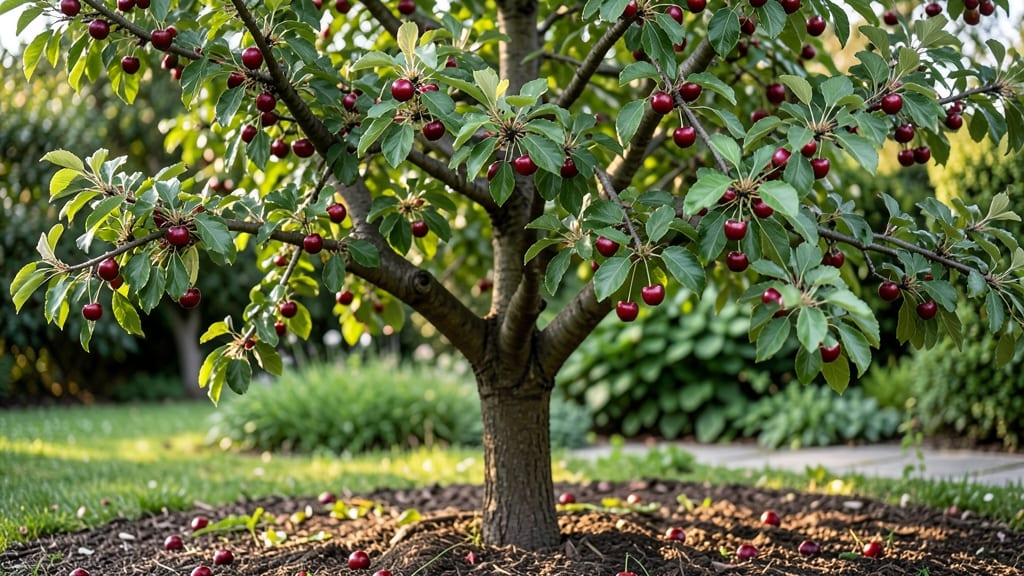
Summer pruning your cherry tree isn’t just about trimming branches—it’s about shaping its future harvests while keeping it healthy through the heat. 🌿 I’ve learned that three simple cuts in late summer can prevent winter dieback and set your tree up for next year’s fruit, but timing and technique matter more than you’d think.
The right moment is key: prune after the harvest but before late August, when new growth hardens off before winter. You’ll focus on three types of cuts—removing dead wood, thinning crowded branches, and heading back overly vigorous shoots—to improve airflow and sunlight penetration.
This isn’t about drastic changes; it’s about fine-tuning what’s already there.
What you’ll end up with is a tree that’s stronger, more productive, and better equipped to handle summer pests like borers or fruit flies. The cuts encourage new, disease-resistant growth while reducing the risk of sunscald on young branches.
Plus, you’ll avoid the messy, sap-heavy pruning that happens in spring.
Works for sweet, tart, or ornamental cherries—just adjust the timing slightly for your climate. Here’s how to do it without stressing your tree or yourself.
📚 In This Guide
- What you need
- Instructions
- Tips and common mistakes
- Wrapping up and next steps
What you need
- ● Pruning shears: Bypass pruners with sharp, clean blades (4–6" cutting capacity). 1 pair is all you need for small branches.
- ● Loppers: For branches ½–2 inches thick. Opt for bypass-style (not anvil) to avoid crushing. 1 pair recommended.
- ● Pruning saw: For thicker branches (2+ inches). A curved-tooth saw prevents tear-out. 1 saw suffices.
- ● Ladder: Aluminum extension ladder (16–24 ft), stable and tall enough to reach your tree’s canopy.
- ● Gloves: Heavy-duty, cut-resistant gloves (e.g., Mechanix Wear) to protect hands from thorns and debris.
- ● Disinfectant: 70% isopropyl alcohol or bleach solution (1 part bleach : 9 parts water) to sterilize tools between cuts.
- ○ Pruning sealant: Optional but helpful for large cuts (>1 inch) to prevent disease. Use a tree wound sealant (e.g., Tanglefoot Tree Wound Pruning Seal).
- ● Heavy-duty trash bags: 2–3 bags for collecting pruned branches and debris.
- ○ Tarp or drop cloth: Optional to protect your lawn from falling leaves/debris.
- ○ Marking twine or flags: Optional for tagging branches to prune later (e.g., colored surveyor’s tape).
- ● Weather: Prune on a dry, overcast day (avoid windy or rainy conditions).
- ● Safety gear: Safety glasses and long sleeves/pants to protect from branches and thorns.
- ● Tree health check: Ensure your cherry tree is free of pests/disease (e.g., no signs of bacterial canker or powdery mildew).
- ● Plan ahead: Sketch a rough map of cuts (e.g., remove 20% of old wood, thin out crowded branches).
How to prune a cherry tree for year-round shape
Summer pruning keeps your cherry tree healthy and productive—here’s how to do it right.
🌿 Step 1: Identify the Right Branches to Trim
Focus on branches that cross, rub, or grow inward—these compete for sunlight and weaken the tree. Also look for dead, diseased, or damaged wood, which can harbor pests. I always start by scanning the tree from the ground up, using my hand as a guide to spot branches growing at sharp angles or overlapping others.
Water sprouts—those fast-growing, vertical shoots—should be pruned back to their point of origin. These steal energy from fruit production. If you’re unsure, check for small leaves or buds along the branch; if it’s just a bare stem, it’s likely a water sprout and can be removed entirely.
✂️ Step 2: Make Clean Cuts at the Right Spots
Use sharp, clean pruners to cut just outside the branch collar—the swollen area where the branch meets the trunk. Never leave stubs, as they invite disease. For larger branches, make a second cut on the underside to avoid tearing the bark. I always test my pruners on a small twig first to ensure they’re sharp enough for clean cuts.
Angle your cuts slightly away from the branch collar to prevent water from pooling. If you’re pruning a branch thicker than your wrist, consider using a saw instead of pruners. The goal is to encourage new growth while maintaining the tree’s natural shape—never remove more than 25% of the canopy in one session.
☀️ Step 3: Thin the Canopy for Better Airflow and Light
Step back and visualize how sunlight and air move through the tree. Remove branches that block light from reaching the center, as this encourages fungal growth and reduces fruit quality. I like to start at the bottom and work my way up, removing the lowest branches first to open up the base for easier harvesting.
For a balanced shape, aim to leave 6-8 main scaffold branches evenly spaced around the trunk. If the tree is overgrown, prioritize thinning dense areas rather than making drastic cuts. You’ll know you’ve done well when you can see light filtering through the canopy and air circulating freely.
⏰ Step 4: Time Your Pruning for Maximum Recovery
Summer pruning should happen after the tree finishes flowering but before the heat of late summer. The best time is early to mid-June, when the tree has recovered from spring growth but hasn’t yet entered dormancy. Avoid pruning during extreme heat or drought, as the tree will struggle to heal.
After pruning, water the tree deeply to help it recover. I always apply a 2-3 inch layer of mulch around the base (but not touching the trunk) to retain moisture and protect roots. Within 4-6 weeks, you should see new growth emerging from the pruned areas—a sign the tree is healing well.
Tips & tricks for perfect cherry tree summer pruning
Summer pruning transforms your cherry tree into a well-shaped, fruit-bearing powerhouse—here's how to avoid common mistakes and get it right the first time.
Branch Identification: In Step 1, when scanning for branches to trim, look for subtle clues like bark texture—water sprouts often have smoother bark than regular branches. Also check for leaf scars: water sprouts typically have no buds or leaves along their length, making them easier to spot from a distance. This helps you avoid accidentally pruning productive branches.
Pruning Tool Prep: Before you start Step 2, sterilize your pruning tools with rubbing alcohol to prevent spreading disease between cuts. I also recommend sharpening your pruners on a fine grit stone (like a diamond file) to ensure clean cuts—dull tools crush branches instead of making clean incisions. This makes all the difference when working with larger branches.
Canopy Visualization: For Step 3, try this trick: stand 10 feet away from the tree and look for areas where sunlight creates dappled shadows on the ground. These shaded spots indicate blocked light, signaling branches that need removal. This "sunlight mapping" technique helps you visualize the canopy's airflow patterns without climbing a ladder.
Recovery Timeline: After completing all steps, mark your calendar for 4-6 weeks later to check for new growth. This gives you time to observe how the tree responds to your pruning. If you don't see new shoots emerging from pruned areas, it might indicate stress from over-pruning or environmental factors like drought.
Pro Tips for Cherry Tree Summer
- Summer pruning transforms your cherry tree into a well-shaped, fruit-bearing powerhouse—here's how to avoid common mistakes and get it right the first time.
- Branch Identification: In Step 1, when scanning for branches to trim, look for subtle clues like bark texture—water sprouts often have smoother bark than regular branches.
- Pruning Tool Prep: Before you start Step 2, sterilize your pruning tools with rubbing alcohol to prevent spreading disease between cuts.
Frequently asked questions
Got questions about pruning your cherry tree during summer?
You’re not alone! Here are some of the most common concerns—and straightforward answers—to keep your tree thriving year-round.
When is the exact best time to prune a cherry tree in summer?
Prune your cherry tree after it finishes blooming (late spring) but before summer heat peaks (early to mid-July). Avoid pruning in extreme heat or drought—wait for mild, overcast days to minimize stress. Sweet cherries (like Bing) benefit from summer pruning to manage fruit load, while tart cherries (like Montmorency) can tolerate light summer cuts too.
Can I prune a cherry tree in summer if I missed the spring deadline?
Yes! Summer pruning is a great way to catch up, but focus on removing only dead, diseased, or crossing branches. Avoid heavy pruning—limit cuts to <10% of the canopy—to prevent stress. If your tree is lush with fruit, prioritize branches shading others or rubbing against each other to protect yield quality.
Will summer pruning hurt my cherry tree’s fruit production?
Not if done right! Strategic summer cuts (like thinning water sprouts or suckers) actually improve fruit quality by reducing competition. However, avoid pruning too late in summer—cuts made 4–6 weeks before harvest can delay ripening. For heavy fruit loads, spread pruning over two sessions (early and mid-summer) for safer recovery.
Do I need special tools for summer cherry tree pruning?
Basic tools work, but summer pruning often involves smaller, sharper cuts to minimize sap loss. Use bypass pruners for branches under ½ inch, loppers for ½–1.5 inches, and a pruning saw for thicker branches. Sterilize tools with rubbing alcohol between cuts to prevent bacterial spread (like silver leaf disease).
What if my cherry tree starts oozing sap after summer pruning?
Sap bleeding is normal but can attract pests. To manage it, seal cuts larger than ½ inch with pruning sealant (like Tanglefoot Tree Wound Pruning Sealer). For small cuts, let them heal naturally—sap will stop in 2–4 weeks. If sap persists or turns dark/sticky, inspect for borers or disease and treat accordingly.
Wrapping up and next steps
Mastering the art of cherry tree summer pruning isn’t just about shaping your tree—it’s about giving it the care it needs to thrive year-round. With just three strategic cuts (spring, summer, and dormant season), you can encourage lush growth, prevent disease, and keep your tree looking stunning. 🌳✨
Ready to take the next step? Grab your pruning tools, mark your calendar for those key seasons, and start with confidence. Your cherry tree—and your future harvests—will thank you!