
Pruning
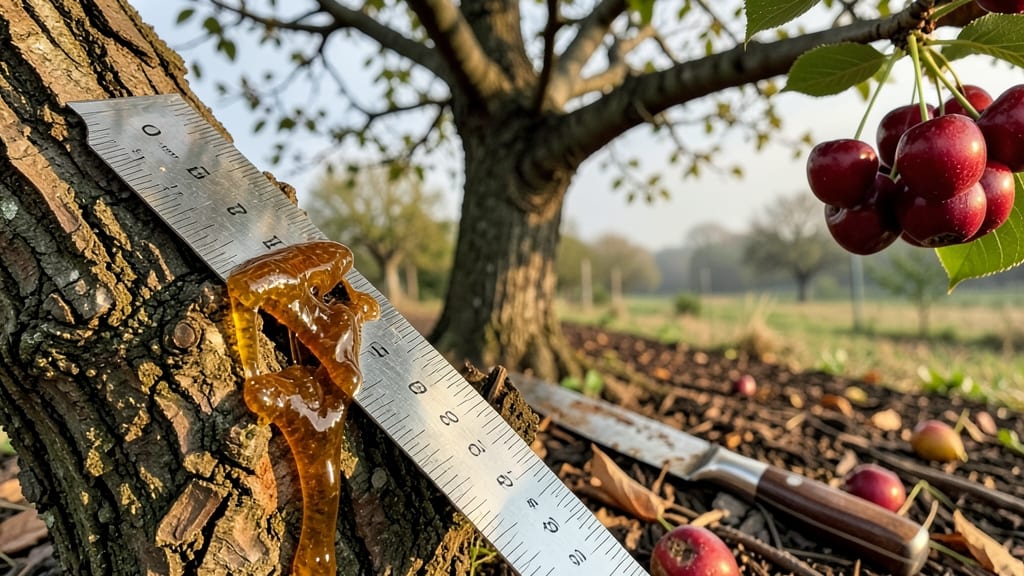
Your cherry tree oozing sap isn’t just messy—it’s a cry for help. 🌳 I’ve seen this happen after storms, from pests, or even from overzealous pruning, and the good news is that three simple cuts can often stop the flow and save your tree’s health before it’s too late.
The first step is figuring out why it’s happening: is it sticky, dark sap from bacterial canker? Or maybe small holes from borers? Check for sunken cankers, oozing wounds, or sawdust-like frass (that’s borer poop).
Once you spot the issue, you’ll know whether to prune aggressively, apply fungicide, or call in the cavalry for pests.
With the right cuts—sterilized tools, clean wounds, and proper timing—you can halt the sap flow and give your tree a fighting chance. I’ve nursed back trees that looked hopeless, and the key is acting fast before the problem spreads deeper into the wood.
Even if your tree is already struggling, these steps will help you decide whether to save it or replace it. The goal? A healthy tree that stops the mess and starts producing fruit again. Let’s get to work.
Root Causes Of Sap Bleeding
When your cherry tree starts weeping sticky sap—especially in early spring—it’s usually a sign of stress or natural biological processes. Understanding the why behind this phenomenon helps you address the issue effectively.
Below, we break down the most common causes, from seasonal shifts to hidden threats, so you can take targeted action.
In late winter or early spring, many trees—including cherries—experience a surge in sap flow. This isn’t harmful; it’s a survival mechanism. As temperatures rise, the tree’s roots begin absorbing water and nutrients, while the dormant buds prepare to burst into life.
The excess pressure forces sap out through weak spots in the bark, like small cracks or pruning wounds.
- 🌡️ Temperature swings: Rapid warm-ups after cold snaps accelerate sap movement, overwhelming the tree’s vascular system.
- 💧 Moisture overload: Heavy rains or thawing snow can saturate the soil, increasing water uptake and pressure.
- 🌿 Growth signals: Hormonal changes trigger sap production as the tree shifts from dormancy to active growth.
Actionable fix: If the sap flow is minimal and the tree appears healthy, this is likely just nature’s way of resetting. Monitor for excessive oozing (more than a few drips) or discolored sap (a sign of infection).
Any disruption to the bark—whether from pruning, storms, or pests—can create entry points for sap to escape. Unlike humans, trees don’t "seal" wounds instantly; their healing process takes time. If cuts are too large, jagged, or improperly made, the tree struggles to contain the flow, leading to persistent oozing.
| Cause | Signs | Risk Level |
|---|---|---|
| Improper pruning cuts (tearing bark) | Ragged edges, sap dripping from cut surfaces | High (invites disease) |
| Storm or hail damage | Large bark tears, exposed wood | Moderate (depends on severity) |
| Animal gnawing (deer, rabbits, rodents) | Chewed bark, irregular sap leaks | Low to moderate (unless recurrent) |
Actionable fix:
- ✂️ Prune correctly: Use sharp tools to make clean cuts at a <45° angle, just outside the branch collar.
- 🛡️ Protect wounds: Apply a thin layer of pruning sealant (like Tanglefoot Tree Wound Pruning Sealer) to large cuts to slow moisture loss.
- 🚫 Avoid over-pruning: Remove no more than 25% of the tree’s canopy in one season.
When sap turns dark, thick, or foul-smelling, it’s often a red flag for fungal infections or pest activity. Sap oozing can be a symptom of:
- 🍄 Silver Leaf Fungus: Causes dark, sticky exudate and leaf discoloration. Spreads through wounds.
- 🐜 Bark Borers: Insect larvae tunnel under the bark, creating exit points for sap.
- 🐛 Root Rot: Fungal overgrowth in waterlogged soil forces sap upward through trunk cracks.
Actionable fix:
- 🔍 Inspect closely: Look for frass (insect droppings), fungal growth, or mushroom-like structures at the base.
- 💊 Treat infections: Prune infected branches <6 inches below the damage and sterilize tools with rubbing alcohol.
- 🌧️ Improve drainage: If root rot is suspected, amend soil with compost and avoid overwatering.
Environmental stressors—like drought, poor soil, or transplant shock—can push a cherry tree into survival mode, triggering excessive sap flow. The tree prioritizes healing over growth, leading to visible "bleeding."
- 💦 Drought stress: Dry soil forces roots to work harder, increasing sap pressure.
- 🌿 Nutrient deficiency: Lack of nitrogen or potassium weakens vascular function.
- 🏗️ Transplant shock: Newly planted trees may ooze sap as they adjust to soil changes.
Actionable fix:
- 💧 Water deeply: Soak the root zone weekly during dry spells (1–2 inches of water).
- 🌱 Fertilize wisely: Use a balanced 10-10-10 fertilizer in early spring to support recovery.
- 🌳 Mulch properly: Apply 2–3 inches of organic mulch (like wood chips) to retain moisture and regulate temperature.
💡 Pro Tip: If sap oozing persists beyond 2–3 weeks or accompanies wilting leaves, yellowing foliage, or dieback, consult a local arborist. Early intervention prevents long-term damage.
Fixing Sap Leaks in Trees
If your cherry tree is oozing sap, don’t panic—most causes are fixable with the right approach. Below are targeted solutions based on the root of the problem, along with proactive tips to prevent future leaks.
Whether it’s a wound, pest damage, or environmental stress, these steps will help restore your tree’s health.
Sap oozing from cuts, splits, or broken branches is often a sign of an open wound. Trees naturally seal wounds over time, but you can speed up the process and protect against infections.
Step 1: Clean the Wound
🧼 Use a sharp pruning tool (sterilized with rubbing alcohol) to trim away any ragged edges or dead wood. Cut at a 45-degree angle just outside the damaged area to promote faster healing.
Step 2: Apply a Tree Sealant (If Needed)
⚠️ Only seal wounds larger than a quarter-inch—smaller cuts will heal on their own. Use a high-quality tree wound dressing (like Tanglefoot Tree Wound Pruning Sealer) to protect against fungi or bacteria. Avoid over-applying; a thin layer is enough.
Step 3: Monitor for Infection
🌡️ If the oozing turns dark, foul-smelling, or mushy, it may be infected. In this case, prune further to remove infected tissue and apply a copper-based fungicide (like Bordeaux mixture) to prevent spread.
💡 Pro Tip: Avoid sealing sap leaks caused by borers or pests—the sealant can trap moisture, worsening the issue. Instead, focus on treating the underlying pest problem (see below).
Pests like borers, aphids, or scale insects can create entry points that trigger excessive sap production. If you spot sawdust-like frass, tiny holes, or sticky honeydew, pests are likely the culprit.
Step 1: Identify the Pest
🔍 Borers (e.g., flatheaded borers): Look for D-shaped exit holes and sawdust piles at the base of the tree. 🐜 Aphids/Scale: Check for sticky residue (honeydew) on leaves or small bumps on branches.
Step 2: Apply Targeted Treatments
🛡️ For borers:
- Hand-prune infested branches (sterilize tools between cuts).
- Inject systemic insecticide (like Imidacloprid) into the trunk for deep-rooted borers.
- Encourage natural predators (ladybugs, parasitic wasps) by planting companion flowers.
🛡️ For aphids/scale:
- Spray with horticultural oil (like Neem oil) to suffocate pests.
- Blast off colonies with a strong water stream (repeat weekly).
- Introduce beneficial insects (ladybugs, lacewings) for long-term control.
Step 3: Prevent Future Infestations
🌿 Keep the tree healthy—stressed trees attract pests. Water deeply during droughts and mulch around the base (but not touching the trunk) to retain moisture. 🌿 Inspect regularly for early signs of pests, especially after pruning or extreme weather.
✨ Pro Tip: If borers are severe, consult a certified arborist—deep infestations may require professional treatment to avoid tree decline.
Extreme heat, cold, or drought can cause sap bleeding, especially in young or newly planted cherry trees. If the oozing started after a frost, drought, or transplant shock, these fixes will help.
Step 1: Adjust Watering Practices
💧 Drought stress: Water deeply 2–3 times per week (1–2 inches per session) rather than shallow daily watering. Use drip irrigation to keep moisture consistent. ❄️ Frost damage: If sap oozing follows a freeze, avoid pruning until new growth appears (wait until late spring).
Instead, mulch heavily (3–4 inches of organic mulch) to insulate roots.
Step 2: Protect from Temperature Shocks
🌡️ Young trees: Wrap the trunk with tree guard (burlap or specialized wrap) to prevent sunscald (common in winter). 🌡️ Transplant shock: If the tree was recently moved, avoid heavy pruning for at least a year.
Instead, focus on consistent watering and shade during the first growing season.
Step 3: Boost Tree Resilience
🌱 Fertilize lightly with a balanced, slow-release fertilizer (10-10-10) in early spring to support recovery. 🌱 Avoid heavy pruning during stress periods—wait until the tree is established.
🎯 Pro Tip: Mature cherry trees are more resilient, but young trees under 3 years old need extra care. If sap oozing persists, test the soil for nutrient deficiencies (like low potassium or magnesium).
Once your cherry tree stops oozing sap, keep these best practices to prevent future issues:
- Prune at the right time: Remove dead/diseased branches in late winter/early spring (avoid summer pruning, which stresses the tree).
- Keep tools sharp and clean: Sterilize pruners with rubbing alcohol between cuts to prevent disease spread.
- Monitor for early signs: Check for unusual sap, wilting, or pest activity every few weeks during growing season.
- Avoid over-fertilizing: Too much nitrogen can weaken wood, making it more susceptible to splits and pests.
- Support the tree: If branches are heavy (e.g., from fruit), use tree ties to prevent splits during storms.
By addressing the specific cause of your cherry tree’s sap leak and following these targeted solutions, you’ll help your tree heal—and keep it thriving for years to come. Most issues resolve within a few weeks to a season with proper care!
Frequently asked questions
Is oozing sap always a sign of a serious problem in cherry trees?
Not necessarily! Light sap flow in early spring is often normal as the tree awakens from dormancy. The real concern comes when you see dark, thick, or foul-smelling sap—this usually indicates infection or pest activity. Healthy sap should be clear to pale yellow and only ooze in small amounts from minor wounds.
How long should I wait before treating a sap leak?
Act quickly if the sap is dark, excessive, or accompanied by wilting leaves—these are signs of infection or severe stress. For minor leaks, wait 1-2 weeks to see if the tree can seal the wound naturally. If the oozing persists beyond 3 weeks or worsens, it's time to investigate further.
Can I use regular household items to stop sap oozing?
Some DIY solutions work for minor leaks: a thin layer of petroleum jelly can temporarily seal small wounds, while horticultural wax (found at garden stores) provides better protection. Avoid duct tape or plastic wrap—these trap moisture and can worsen decay. For serious issues, use proper tree sealants or fungicides.
What's the difference between sap oozing from pruning and sap oozing from disease?
Pruning-related sap is usually clear to pale yellow and comes from clean, recent cuts. Diseased sap is often dark brown/black, thick, and foul-smelling, sometimes accompanied by cankers (sunken, dead areas) or fungal growth. If you see these signs, prune further and apply fungicide to prevent spread.
Will sealing sap leaks actually help my tree?
For wounds larger than 1/4 inch, sealing helps prevent disease entry and reduces moisture loss. However, never seal over active pest damage (like borer holes)—this traps moisture and worsens decay. Focus on treating the root cause first, then seal only if the wound is clean and healing properly.