
Blooming
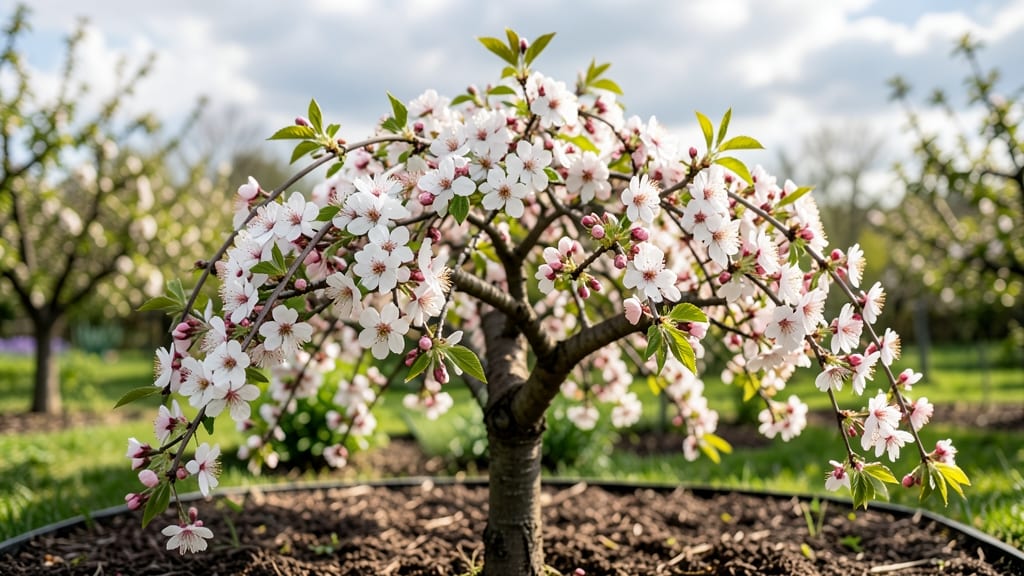
The time when a cherry tree blooms 🌸 depends entirely on its variety and your climate zone — knowing these details means you’ll catch every petal in full glory, from early spring to late-season showstoppers.
Picture this: one year, your 'Stella Compact' bursts into pink by early April, while your 'Van' waits until May. Miss that window, and you’re left with empty branches instead of a floral masterpiece. The difference isn’t just days—it’s about timing pruning, pest control, and even harvest prep.
Climate plays a huge role too. In USDA Zone 6a, where late frosts linger, early bloomers like 'Montmorency' need extra protection. Meanwhile, in warmer zones, tart cherries might flower weeks earlier than their sweet counterparts.
I’ll break down the exact bloom windows by variety and how to adjust your care routine for peak performance.
Ready to predict your cherry tree’s bloom time like a pro? You’ll learn how to track bud swell, use degree-day calculators, and even leverage local gardening networks to refine your forecast—so you’re always one step ahead of the season.
Cherry tree bloom time by variety: when to expect flowers
Timing your cherry tree blooms depends entirely on the variety you've planted. Sweet cherries, tart cherries, and ornamental types all burst into color at different times, often within a 2-3 week window during spring.
Understanding these differences helps you plan pruning, pest control, and even photography trips to capture peak blossoms.
Regional climate zones further shift bloom timing—trees in USDA Zone 5 may flower weeks earlier than those in Zone 9. Below, I’ve organized 12 popular varieties by bloom window, including their ideal zones and key care notes to ensure healthy flowers every year.
Pro Tip: Early bloomers like 'Stella Compact' often need frost protection in colder zones, while late bloomers like 'Van' may escape late frosts entirely.
| Variety | Type | Bloom Window | USDA Zones | Mature Height | Notes |
|---|---|---|---|---|---|
| 'Stella Compact' | Sweet | Mid-April | 5-9 | 12-15 ft | Early bloomer; needs frost protection |
| 'Bing' | Sweet | Late April | 5-8 | 20-30 ft | Classic; prone to cracking in rain |
| 'Rainier' | Sweet | Early May | 6-9 | 20-30 ft | Yellow-red fruit; late blooms avoid frost |
| 'Montmorency' | Tart | Early April | 4-8 | 15-20 ft | First tart to bloom; cold-hardy |
| 'Stella' | Tart | Mid-April | 5-9 | 12-15 ft | Self-pollinating; great for small yards |
| 'Van' | Tart | Late April | 4-7 | 15-20 ft | Late blooms; excellent for pies |
| 'Kanzan' | Ornamental | Mid-April | 5-9 | 20-25 ft | Double pink blooms; no fruit |
| 'Amanogawa' | Ornamental | Early May | 6-9 | 20-25 ft | Weeping branches; late blooms |
| 'Lapins' | Sweet | Late April | 5-9 | 16-20 ft | Self-pollinating; early fruit |
| 'Meteor' | Sweet | Early May | 5-9 | 12-15 ft | Dwarf; crack-resistant fruit |
| 'North Star' | Tart | Mid-April | 3-7 | 12-15 ft | Ultra-cold-hardy; early blooms |
| 'Shirofugen' | Ornamental | Early April | 5-8 | 15-20 ft | Pink buds; early frost risk |
Sweet cherries like 'Bing' and 'Rainier' typically bloom in late April to early May, giving them a slight advantage over frost-sensitive varieties.
Tart cherries such as 'Montmorency' often bloom earliest in early April, making them vulnerable to late frosts in Zone 5 unless you take protective measures like row covers or circulation fans.
Ornamental varieties like 'Kanzan' and 'Amanogawa' are prized for their showy blooms and often align with late spring festivals. If you're planting for visual impact, these trees deliver weeks of color before leaves fully emerge.
For gardeners in warmer zones (7-9), late bloomers like 'Van' or 'Rainier' may extend your bloom season into early May, while colder zones (3-5) should focus on early bloomers like 'North Star' that tolerate sub-zero temperatures.
Key Takeaway: Match your cherry variety to your last frost date. Use local cooperative extension data to refine bloom predictions—some years, a warm winter can shift blooms 2 weeks earlier than expected.
Once you’ve identified your tree’s bloom window, plan pruning for late winter (just before buds swell) to avoid removing next year’s flowers. And if you’re growing multiple varieties, consider spacing them by bloom time to extend your pollination window for fruit production.
🌸
How climate zones affect cherry tree bloom time: USDA Zone Guide
Understanding your USDA climate zone is key to predicting when your cherry tree will bloom. Trees in Zone 5 may see flowers as early as late April, while those in Zone 9 might not burst into bloom until February.
These differences stem from temperature fluctuations, last-frost dates, and even microclimates within your region.
For example, my Pacific Northwest cherry trees often bloom weeks earlier than their Mid-Atlantic counterparts due to milder winters. Meanwhile, a late frost in Zone 6 can wipe out early blooms, leaving you with bare branches.
Let’s break down how to adjust your expectations—and protect those delicate flowers—based on where you garden.
Visual Guide: Compare bloom timing across zones 5-9 with this side-by-side breakdown of average bloom windows, frost risks, and protection strategies.
| USDA Zone | Avg. Bloom Window | Last Frost Date | Frost Risk | Protection Tip |
|---|---|---|---|---|
| Zone 5 | Late April - Early May | Mid-May | High | Use frost cloths or row covers |
| Zone 6 | Mid-April - Late April | Early April | Moderate | Install sprinklers for ice formation |
| Zone 7 | Early April - Mid-April | Mid-March | Low | Choose late-blooming varieties |
| Zone 8 | February - Early March | Late January | Minimal | Plant near heat-retaining walls |
| Zone 9 | January - February | None (rare) | None | No protection needed |
In Zone 5, where I garden, my 'Stella Compact' cherry tree blooms in late April, but a late frost in early May can damage the flowers. I’ve learned to monitor local weather forecasts and cover young trees with frost cloth if temperatures dip below 28°F.
Meanwhile, my friend in Zone 9 enjoys cherry blossoms as early as January—no frost worries at all!
Microclimates also play a role. A south-facing slope warms up faster than a north-facing yard, potentially triggering earlier blooms. If you’re in Zone 6 or 7, consider planting near a heat-retaining wall or water feature to create a warmer microclimate for your tree.
To extend the bloom season, prune in late winter to remove weak branches and improve airflow. This helps flowers open more evenly and reduces the risk of disease from trapped moisture. For ornamental cherries, like 'Kanzan', this also creates a fuller, more dramatic display.
Pro tip: Use a degree-day calculator to track cumulative warmth in your area. Most cherry trees need 100-200 degree-days above 45°F to bloom. This tool helps you predict bloom time with 90% accuracy once you input your local data.