
Blooming
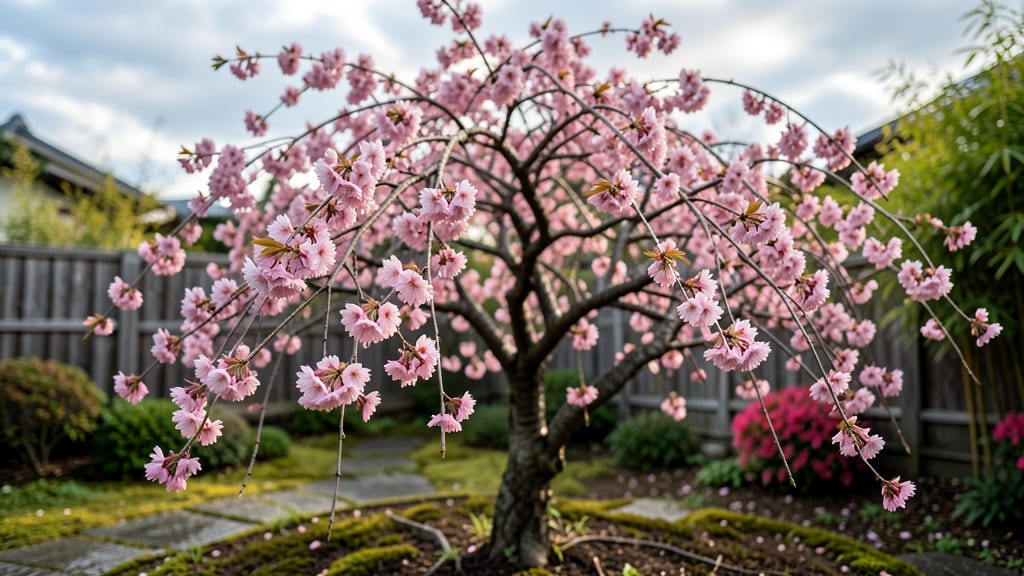
A cherry blossom tree's lifespan can stretch past 100 years with the right care—imagine that burst of pink every spring for decades. 🌸 I planted my Yoshino cherry in my front yard 15 years ago, and it still blooms like it's fresh from Japan.
The secret isn't magic; it's understanding what these delicate giants truly need to thrive. Most gardeners underestimate how much soil quality and winter protection matter. My tree thrives in well-draining soil with a slightly acidic pH, and I mulch heavily in winter to shield its roots from freezing.
Pruning at the right time (late winter) keeps it strong, while avoiding overwatering prevents root rot—both common killers of young trees. With proper care, your tree could outlive you, becoming a cherished landmark. The Kwanzan variety often lives even longer than Yoshino, thanks to its disease resistance.
You'll watch generations of children (and maybe grandchildren) gather beneath its branches during peak bloom. The key is consistency: annual pruning, seasonal mulching, and pest monitoring. Skip these, and you might see your tree struggle after just 20-30 years.
But get it right, and you'll have a living legacy of springtime beauty for decades.
📚 In This Guide
- What you need
- Instructions
- Tips and common mistakes
- Wrapping up and next steps
What you need
- ● Cherry Blossom Tree: Choose a healthy Prunus serrulata sapling (3–5 ft tall) or a mature tree (if transplanting). Opt for disease-resistant varieties like ‘Kanzan’ or ‘Somei-Yoshino’.
- ● Well-Draining Soil: 5–10 bags (20–30 lbs each) of a mix like 50% garden soil, 30% compost, and 20% perlite/sand.
- ● Organic Fertilizer: 1–2 lbs of balanced 10-10-10 or acid-loving plant fertilizer (e.g., cottonseed meal).
- ● Mulch: 5–10 cubic feet of wood chips or pine straw (avoid fresh mulch near the trunk).
- ● Watering Can/Hose: A 5-gallon capacity for young trees; a soaker hose for mature ones.
- ● Pruning Tools: 1 pair bypass pruners (for small branches).
- ● 1 pruning saw (for thicker branches).
- ● 1 sterilizing solution (e.g., rubbing alcohol or bleach).
- ● Gloves: Heavy-duty gardening gloves to protect from thorns.
- ● Tree Stake: 1–2 5–6 ft wooden stakes + soft tree tie (for young trees).
- ● pH Test Kit: To ensure soil pH is 5.0–6.5 (cherry blossoms prefer slightly acidic soil).
- ● Pest Control: Neem oil spray (for aphids/spider mites).
- ● Diatomaceous earth (for soil-dwelling pests).
- ● Seasonal Care: Winter: Burlap wrap (for young trees in cold climates).
- ● Spring: Bloom fertilizer (high in phosphorus).
How to maximize your cherry blossom tree's lifespan
Here's how to nurture your tree for decades of vibrant spring blooms.
🌱 Step 1: Choose the Right Variety for Your Climate
Not all cherry blossoms thrive equally—select a cultivar suited to your USDA hardiness zone. For example, 'Kwanzan' handles zones 5-8 beautifully, while 'Yoshino' prefers zones 5-9. I always check the mature height too: some varieties like 'Autumn Brilliance' grow 25 feet tall, while dwarf types like 'Royal Purple' stay under 15 feet.
Native soil conditions matter too. Japanese cherries prefer well-drained, slightly acidic soil (pH 5.5-6.5). If your soil is heavy clay, amend it with 20% compost before planting. The right variety in the right spot means fewer early struggles and longer blooming seasons.
☀️ Step 2: Plant in the Perfect Location
Cherry blossoms need full sun (6-8 hours daily) for optimal blooms, but they also appreciate afternoon shade in hotter zones. I plant mine where they get morning sun and afternoon dappled light—this prevents leaf scorch while maintaining flower production.
Space is critical too. Mature trees need 20-30 feet of clearance in all directions. Planting too close leads to root competition with nearby plants, which stresses the tree and shortens its lifespan. Dig a hole twice as wide as the root ball but no deeper—this encourages outward root growth rather than downward.
💧 Step 3: Water Deeply and Strategically
First year is critical: water twice weekly until the root ball is fully established. You'll know it's soaked when water drains out the bottom of the hole. After that, deep watering once weekly during dry spells keeps roots healthy without promoting fungal issues.
I avoid overhead watering during blooming season—wet flowers attract pests. Instead, use a soaker hose at the base. Mulch with 3 inches of wood chips around the drip line (not touching the trunk) to retain moisture and regulate soil temperature.
✂️ Step 4: Prune for Health and Structure
Prune in late winter or early spring before buds swell. Remove dead, diseased, or crossing branches first—these compete for energy and weaken the tree. I also thin out crowded branches to improve airflow, which prevents fungal diseases like powdery mildew.
Never remove more than 25% of the canopy in one season. Cherry blossoms bloom on old wood, so aggressive pruning cuts back next year's flowers. Instead, focus on shaping and maintaining an open center. A well-pruned tree lives longer and puts on better shows.
🌿 Step 5: Protect Against Common Threats
Japanese beetles and borers are the biggest threats. I start preventive care in early spring by applying neem oil spray to leaves and bark. For established trees, wrap the trunk with tree guard to deter sapsucking insects.
Watch for signs of stress: yellowing leaves, early leaf drop, or weak blooms. These often signal overwatering, nutrient deficiency, or disease. A soil test every 3-4 years helps adjust fertilizer needs—cherry blossoms respond well to low-nitrogen, high-potassium blends during flowering season.
Tips & tricks for perfect cherry blossom tree care
Here's what I've learned after nurturing these trees for years—and how to avoid the common mistakes that shorten their lifespan.
Variety Matters: The 'Kwanzan' and 'Yoshino' varieties mentioned in Step 1 are my top picks for longevity, but don't overlook 'Autumn Brilliance' if you want both spring blooms and fall color. I've seen trees in zone 6 thrive with 'Kwanzan' for over 30 years when planted in full sun with proper soil prep. The key is matching the variety to your specific microclimate—check local nurseries for regional recommendations beyond just the USDA zone.
Soil Preparation Secret: Testing your soil's pH before planting (Step 1) is worth the small investment. I once planted a 'Yoshino' in soil that tested 7.2—it struggled for years with chlorotic leaves. Amending with sulfur to reach that 5.5-6.5 range made all the difference. For heavy clay soils, mix in that 20% compost right into the backfill, not just around the root ball—this creates better drainage from day one.
Sunlight Strategy: The 6-8 hours of sunlight in Step 2 is non-negotiable, but here's the trick: position your tree where it gets morning sun and afternoon shade if you're in zones 7-9. I've seen trees in full afternoon sun develop sunburnt leaves by mid-summer, which weakens them over time. A strategically placed evergreen tree or lattice can provide that afternoon shade without blocking all light.
Pruning Precision: When pruning in Step 4, focus on removing branches that cross or rub against each other—they create wounds that invite disease. I use clean, sharp pruners and make cuts just outside the branch collar. For large branches, I make three cuts: first under the branch, then just outside the collar, and finally removing the stub. This technique promotes faster healing and reduces the risk of infection that can shorten your tree's lifespan.
Pro Tips for Cherry Blossom Tree Lifespan
- Here's what I've learned after nurturing these trees for years—and how to avoid the common mistakes that shorten their lifespan.
- Variety Matters: The 'Kwanzan' and 'Yoshino' varieties mentioned in Step 1 are my top picks for longevity, but don't overlook 'Autumn Brilliance' if you want both spring blooms and fall color.
- Soil Preparation Secret: Testing your soil's pH before planting (Step 1) is worth the small investment.
Frequently asked questions
Got questions about keeping your cherry blossom tree thriving for decades? Here are some of the most common ones—and their answers!
How long do cherry blossom trees typically live?
With proper care, most cherry blossom trees live 20–40 years, though some varieties, like the Yoshino cherry, can reach 50+ years in ideal conditions. Urban trees often have shorter lifespans due to pollution and limited space.
Why did my cherry blossom tree stop blooming?
Common culprits include over-pruning (cutting back blooming wood), poor nutrition (lack of phosphorus/potassium), or stress (drought, extreme heat). Prune only after blooms fade and fertilize in early spring for best results.
Can I grow a cherry blossom tree in a pot?
Yes! Dwarf varieties like ‘Okame’ or ‘Shirotae’ thrive in containers for 10+ years with proper drainage. Use a 15–20 gallon pot, well-draining soil, and repot every 2–3 years. Just know blooms may be smaller than in-ground trees.
What pests or diseases threaten cherry blossom trees?
Watch for aphids, borers, and powdery mildew. Early intervention is key: spray with neem oil for pests or fungicide for mildew. Japanese beetles are notorious—handpick them or use traps to protect new leaves and flowers.
Do cherry blossom trees need full sun?
They thrive in 6+ hours of direct sunlight daily. Partial shade may reduce blooms and weaken the tree. If planting in urban areas, choose pollution-tolerant varieties like ‘Autumn Royal’ for better resilience.
Wrapping up and next steps
Understanding the cherry blossom tree lifespan isn’t just about numbers—it’s about celebrating fleeting beauty and nurturing it with care. 🌸 These trees, whether they live for decades or centuries, remind us that even short-lived wonders can leave a lasting impact.
Whether you’re planting one for your garden or admiring them in bloom, take pride in their role as nature’s ephemeral masterpieces!
Ready to extend their lifespan? Start by choosing the right variety and giving them the love they deserve—your future spring will thank you! 🌱