
Trees
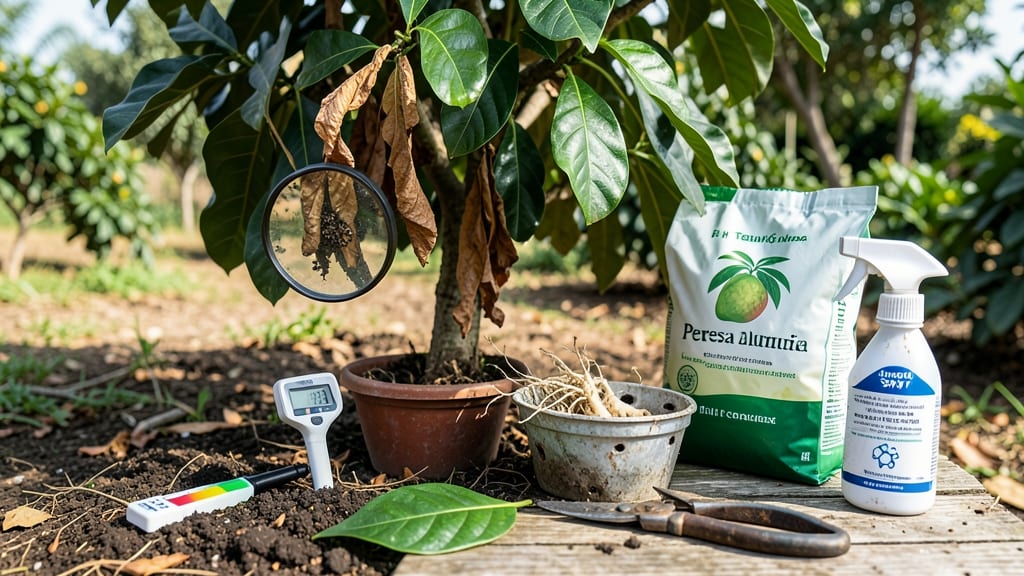
An avocado tree not growing new leaves is a silent scream for help. 🌿 I’ve nursed back three of these stubborn trees from the brink—each time, the fix came down to three key checks: water, light, and root health.
The good news? Most cases aren’t hopeless, and the solutions are faster than you’d think.
Overwatering drowns roots, while underwatering starves them—both trigger leaf drop. Check the soil: if it’s soggy or bone-dry 2+ inches down, that’s your first clue. Pests like spider mites or fungal issues (like root rot) also steal nutrients, leaving your tree weak.
The quickest way to diagnose? Inspect the undersides of leaves for tiny webs or discoloration.
Once you identify the problem, the fixes are straightforward: adjust watering to every 7-10 days (when topsoil feels dry), move the tree to bright, indirect light, and trim dead leaves to redirect energy.
Within 2-4 weeks, you’ll spot new growth—if not, it’s time to check for deeper issues like compacted soil or nutrient deficiencies.
Prevention is easier than revival: use well-draining soil, avoid winter drafts, and fertilize lightly in spring. If your tree still refuses to bounce back after 3 months of care, a local arborist can rule out hidden pests or disease. Trust me, your avocado’s comeback is closer than you think.
Root Causes of Leaf Stagnation
Understanding why your avocado tree (Persea americana) has stopped producing new leaves is the first step to reviving it. 🌱🔍 These tropical plants are resilient but sensitive to specific stressors.
Below, we break down the most common—and often overlooked—reasons your tree might be stuck in a growth slump, along with the science behind each issue.
---
Avocado trees thrive in USDA Hardiness Zones 9b–11, where temperatures rarely drop below 30°F (-1°C). If your tree experiences sudden cold snaps, frost, or even prolonged exposure to temps below 50°F (10°C), it can trigger physiological shock, halting leaf production.
- How it happens: Cold damages the meristem tissue (growth points) at the tips of branches, where new leaves form.
Even if the tree isn’t dead, it may conserve energy by stopping new growth until conditions improve. - Tell-tale signs: - Brown, crispy leaf edges (not just yellowing). - Blackened or mushy stems on new shoots. - Leaves that drop prematurely after exposure to cold.
💡 Pro Tip: If you live in a marginal climate, protect your tree with frost cloth or move potted avocados indoors before temperatures dip. Never let it sit in a drafty garage or unheated space—consistent cold is worse than a single frost.
---
Avocado trees hate soggy roots. While they love moisture, their native habitat in Mexico and Central America means they’re adapted to well-draining volcanic soil.
If your tree sits in waterlogged soil for too long, **root rot (Phytophthora or Fusarium) can develop, cutting off nutrient and water transport to the leaves.
- How it happens: - Oxygen deprivation: Roots need air to function.
Compacted or waterlogged soil forces roots to suffocate, leading to anaerobic conditions that produce toxic byproducts. - Nutrient lockout: Excess water washes away essential minerals like potassium, magnesium, and nitrogen, which are critical for leaf growth. - Fungal invasion: Pathogens thrive in wet soil, blocking the tree’s vascular system (xylem) and starving leaves of water.
- Signs to watch for: - Yellowing leaves with brown, mushy stems (not just edges). - Soil that smells sour or rotten when touched. - Leaves that wilt even when the soil is wet.
💡 Pro Tip: Test your soil’s drainage by digging a hole, filling it with water, and timing how long it takes to drain.
If it takes more than 2 hours, amend with perlite, sand, or coconut coir. Never water on a schedule—stick your finger 2–3 inches deep first; water only if it’s dry.
---
Avocado trees are sun-worshippers and need 6–8 hours of direct sunlight daily. Without enough light, they can’t perform photosynthesis efficiently, leading to stunted growth, weak leaves, and no new foliage.
- How it happens: - Chlorophyll production drops: Light is the energy source for chlorophyll, the pigment that turns sunlight into sugars.
In low light, the tree prioritizes survival over growth, often shedding leaves to reduce energy demands. - Leggy, pale growth: If your tree stretches toward light, its leaves become thin, yellowish, and weak, unable to support new shoots. - Overcast climates: Even in sunny regions, consistent cloud cover (like in parts of California or the Pacific Northwest) can trick the tree into thinking it’s winter.
- Signs of light stress: - Leaves that are small, pale, or purplish (anthocyanin buildup from stress). - Branches growing sprawling or upward (instead of bushy). - No new leaves for 3+ months, even with proper watering.
💡 Pro Tip: If your tree is indoors, rotate it weekly so all sides get light. Outdoors? Prune nearby trees/shrubs blocking sunlight. Grow lights (full-spectrum LEDs) can supplement if natural light is lacking.
---
New leaves are nutrient-hungry, and without the right minerals, your avocado tree will pause growth until conditions improve. The two biggest culprits?
| Nutrient | Role in Leaf Growth | Deficiency Signs | |-------------|------------------------|----------------------| | Nitrogen (N) | Builds chlorophyll and cell division for new leaves. | Yellowing lower leaves (oldest first), stunted new growth, weak stems. | | Magnesium (Mg) | Activates chlorophyll production and helps photosynthesis. | Interveinal yellowing (veins stay green, tissue between turns yellow). | | Potassium (K) | Regulates water uptake and enzyme activity for leaf expansion. | Brown leaf edges, weak stems, leaves curling upward. | | Zinc (Zn) | Critical for auxin production (a growth hormone). | Small, distorted new leaves (called "little leaf" syndrome). |
- Why it happens: - Old or depleted soil: Avocados are heavy feeders and deplete nutrients quickly, especially nitrogen. - pH imbalances: Soil too acidic (pH <6.0) locks out magnesium and calcium; too alkaline (pH >7.5) reduces iron and zinc availability. - Over-fertilizing with phosphorus: Too much P binds with zinc and iron, making them unavailable.
💡 Pro Tip: Test your soil (DIY kits are cheap) and amend with: - Balanced fertilizer (10-10-10 or 6-6-6) in spring and summer. - Epsom salt (magnesium sulfate) for yellowing between veins. - Chelated iron if leaves are pale yellow (common in alkaline soil).
--- Hidden invaders can sap your tree’s energy, leaving it too weak to produce new leaves. The most damaging culprits:
- Root-knot nematodes: Microscopic worms that feed on roots, reducing water/nutrient uptake. Symptoms: Stunted growth, yellowing leaves despite watering, roots with gall-like lumps. - Scale insects or mealybugs: Sap-sucking pests that coat leaves/stems in sticky honeydew, leading to sooty mold and leaf drop. Symptoms: White cottony masses, sticky residue on leaves, curled or blackened new growth. - Fungal leaf spot (Colletotrichum or Cercospora): Thrives in humid, low-light conditions, causing dark spots on leaves that expand, killing tissue and halting new leaf formation.
💡 Pro Tip: Inspect undersides of leaves and new shoots for pests. Neem oil (1 tsp per quart of water, spray weekly) is a safe, organic treatment. For nematodes, solarize soil (cover with clear plastic for 4–6 weeks in summer) or use beneficial Bacillus firmus bacteria.
--- Even mature avocado trees struggle after repotting or moving, especially if their roots were disturbed. Root damage disrupts the tree’s ability to absorb water and nutrients, leading to a growth pause while it recovers.
- How it happens: - Root pruning: If roots were severed during transplanting, the tree loses its water transport system, causing wilting or leaf drop. - Root-bound pots: Roots circling the bottom of a container strangle themselves, reducing oxygen and nutrient uptake. - Improper soil mix: Heavy, compacted soil restricts root expansion, leading to stunted growth.
- Signs to watch for: - Leaves yellowing and dropping within 2–4 weeks of moving. - Roots growing out of drainage holes (if potted). - Slow recovery even after adjusting water/light.
💡 Pro Tip: When repotting, loosen roots gently and trim only damaged sections. Use a well-draining mix** (
Revive Your Avocado Tree Fast
Now that you know the likely culprits behind your avocado tree’s leaf woes, it’s time to take action! Here’s a clear, step-by-step guide to diagnosing and fixing the issue—plus tips to keep your tree thriving long-term.
---
If your tree is drowning in soggy soil, the roots can’t breathe, leading to stunted growth and leaf loss. Here’s how to rescue it:
1. 🔥 Stop Watering Immediately Let the top 2–3 inches of soil dry out completely before watering again. Stick your finger in the soil—if it’s damp past your first knuckle, wait another day.
2. 🍳 Improve Drainage - For potted trees: Repot into a container with drainage holes (if not already present) and use a well-draining mix like cactus/succulent soil amended with perlite or pumice. - For in-ground trees: Amend the soil around the root zone with compost or sand to loosen compacted earth.
Avoid heavy clay soils—consider raised beds if drainage is chronically poor.
3. ⏰ Monitor Watering Moving Forward Avocados prefer "dry but not drought-stressed" conditions. Water deeply once a week (or less in humid climates) and reduce frequency in winter.
💡 Pro Tip: If repotting, trim any mushy, black roots (a sign of rot) with sterilized scissors before replanting.
---
Avocados crave warmth and sunlight—too little or too much can shock them into dropping leaves.
1. 👨🍳 Move to the Right Spot - Indoors: Place near a south- or west-facing window (6+ hours of bright, indirect light). Rotate the pot weekly for even growth. - Outdoors: Ensure full sun (6+ hours/day) in zones 10–11.
If your climate is cooler, grow in a greenhouse or bring pots indoors in winter.
2. 🌡️ Adjust for Temperature Shifts - Cold stress? Move potted trees indoors before temps drop below 40°F (4°C). Use a space heater near drafty windows if needed. - Heat stress? Provide afternoon shade in scorching climates (100°F/38°C+) and mulch the soil to retain moisture.
3. ✨ Acclimate Gradually If transitioning between indoor/outdoor, do it slowly (1–2 hours/day over a week) to avoid leaf burn or shock.
---
Yellowing leaves or slow growth? Your tree might be hungry—or suffering from an imbalance.
1. 📊 Test the Soil Use a DIY soil test kit (available at garden centers) to check pH (ideal: 6.0–7.0) and nutrient levels.
Avocados need: - Nitrogen (N): For leafy growth (use a balanced fertilizer like 10-10-10). - Potassium (K): For root health (banana peels or wood ash are great organic sources). - Magnesium (Mg): For green leaves (Epsom salt spray: 1 tbsp per gallon of water, applied monthly).
2. 🥗 Feed Smartly - Spring/Summer: Fertilize every 4–6 weeks with a citrus/avocado-specific fertilizer (high in zinc and manganese). - Fall/Winter: Reduce feeding—trees rest during cooler months. - Avoid over-fertilizing: Too much salt can burn roots. Always water thoroughly after applying fertilizer.
3. 🍎 Boost with Organic Amendments - Compost tea: Brew a batch (1 part compost to 5 parts water, steep 24 hours) and pour around the base. - Worm castings: Mix into the topsoil for slow-release nutrients.
---
Pests like spider mites or fungal infections (like root rot) can halt leaf production. Act fast!
1. 🔪 Inspect for Pests - Spider mites: Look for tiny webs on undersides of leaves. Fix: Spray with neem oil (1 tsp + 1 quart water + a drop of dish soap) weekly until gone. - Scale insects: Appear as bumpy brown spots. Fix: Scrape off with a soft brush dipped in rubbing alcohol. - Aphids: Clustered on new growth. Fix: Blast off with a strong stream of water or use insecticidal soap.
2. 🌡️ Fight Fungal Issues - Root rot: If soil smells foul, prune affected roots, repot with fresh soil, and avoid overwatering. - Leaf spot: Remove infected leaves and spray with copper fungicide (follow label instructions).
3. 🎯 Prevent Future Infestations - Quarantine new plants for 2 weeks before introducing them to your avocado. - Encourage beneficial insects like ladybugs (buy them online or attract with native plants like marigolds).
---
Even healthy trees need a little "haircut" to stimulate fresh leaves.
1. ✂️ Prune Strategically - Remove dead, yellow, or diseased leaves with clean pruners. - Trim overcrowded branches to improve airflow (reduces pest risk). - Cut back long, leggy growth to encourage bushier, leafier regrowth.
2. 🌱 Stimulate New Leaves - Pinch back the tips of new shoots to prompt branching. - Apply growth hormone (like seaweed extract) to encourage foliage.
3. 🌱 Be Patient New leaves may take 4–8 weeks to appear. Avoid fertilizing during this time—focus on water, light, and stress reduction.
--- 💡 Final Prevention Checklist: - Water: Deep but infrequent (never soggy). - Light: Bright, indirect light (or full sun outdoors). - Soil: Well-draining, rich in organic matter. - Pests: Monitor regularly; act at the first sign. - Fertilizer: Balanced, seasonal feeding—no guesswork!
With these fixes, your avocado tree should start pushing out fresh, vibrant leaves in weeks—not months. Keep an eye on its progress, and don’t hesitate to adjust care as needed. Happy growing! 🌿🍑
Frequently asked questions
Why does my avocado tree drop all its leaves at once?
Sudden leaf drop is usually a stress response to temperature shock (below 50°F/10°C) or root rot from overwatering. Check soil moisture—if it's soggy 2+ inches down, roots may be suffocating. Cold stress often causes brown, crispy edges while root rot shows yellowing with mushy stems.
How often should I water an avocado tree with no new leaves?
Wait until the top 2-3 inches of soil are completely dry before watering again. Overwatering is the #1 cause of leaf stagnation—avocados prefer "dry but not drought-stressed" conditions. In summer, once every 7-10 days is typical; reduce to every 2-3 weeks in winter.
Can I save my avocado tree if it's been without leaves for months?
Yes! Start with light adjustments (move to 6+ hours of bright light) and root inspection. If roots are healthy but dormant, prune back 1/3 of leggy growth and fertilize lightly with Epsom salt (for magnesium). New leaves may appear in 4-8 weeks—patience is key!
What's the difference between yellow leaves and brown leaves on my avocado?
Yellow leaves usually indicate nutrient deficiency (nitrogen/magnesium) or overwatering, while brown leaves suggest underwatering or cold damage. Check leaf edges: brown with crispy texture = stress; yellow between veins = magnesium deficiency (try Epsom salt spray).
Should I fertilize my avocado tree if it's not growing new leaves?
Only if the soil test confirms deficiencies! Over-fertilizing stressed trees can burn roots. Instead, focus on water/light fixes first. Once stable, use a balanced citrus fertilizer (6-6-6) in spring/summer—avoid phosphorus-heavy mixes that block zinc uptake.