
Trees
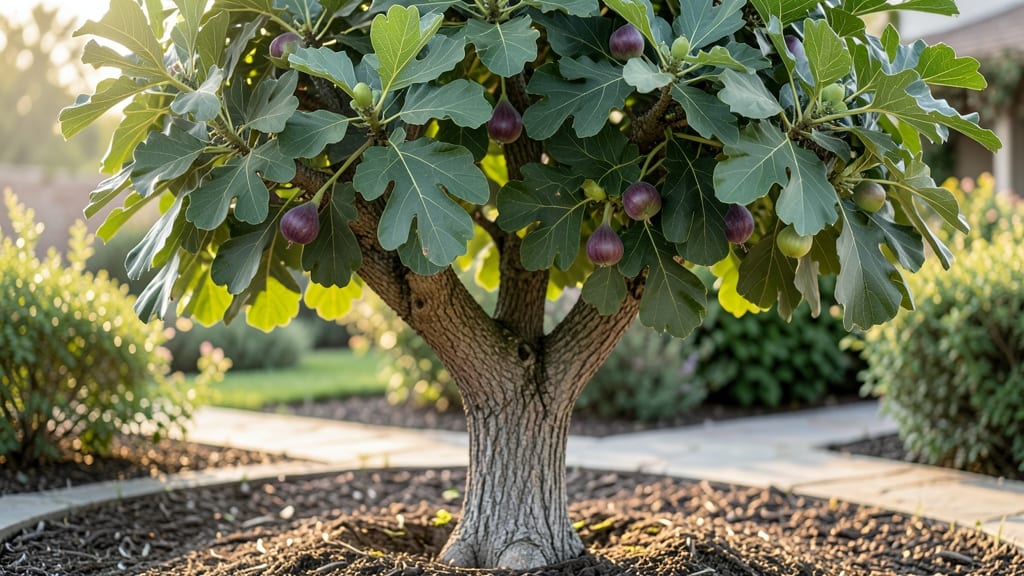
The fig tree’s height and width can turn your garden dream into a space hog—or a stunning centerpiece—depending on how you manage it.
If you’re dreaming of a stunning fig tree but worried about it overtaking your garden, understanding its natural growth patterns—and how to control them—is your secret weapon. With the right pruning strategy, you can keep your 🍈 within bounds while still enjoying a bountiful harvest.
Standard varieties can soar to 20–30 feet tall, while dwarf types stay between 8–12 feet. That’s a big difference for spacing, sunlight, and even container gardening. Below, I’ll break down how fast they grow, the best pruning times, and tricks to keep your tree compact without sacrificing fruit.
Ready to shape your fig tree the way you want? Let’s dive into the details—from spacing tips to seasonal trimming hacks.

Natural fig tree height and width: how fast do they grow?
Fig trees are one of the fastest-growing fruit trees, but their mature size can vary dramatically depending on the variety and growing conditions. If you're planning your garden layout, knowing these dimensions will help you allocate space wisely.
A standard fig tree can reach 20-30 feet tall with a 15-20 foot spread, but dwarf varieties stay compact at just 8-12 feet tall.
Growth speed also depends on climate—fig trees thrive in USDA Zones 7-10 and grow 2-4 feet per year in ideal conditions. In cooler climates, growth may slow, but varieties like 'Chicago Hardy' adapt well. Understanding these factors ensures you choose the right fig tree for your space and climate.
Variety plays the biggest role in determining height and width. Some types, like 'Celeste', stay naturally small, while others like 'Osborn Prolific' can become massive. Below is a quick reference to help you visualize mature sizes and growth rates for popular varieties.
| Variety | Mature Height | Mature Width | Growth Rate (Annual) | Best For |
|---|---|---|---|---|
| 'Brown Turkey' | 15-25 ft | 12-18 ft | 2-4 ft | Large gardens, containers (dwarf grafted) |
| 'Celeste' | 8-12 ft | 6-10 ft | 1-2 ft | Small spaces, patios, containers |
| 'Chicago Hardy' | 12-18 ft | 10-15 ft | 1.5-3 ft | Cool climates, urban gardens |
| 'Osborn Prolific' | 20-30 ft | 15-20 ft | 3-5 ft | Rural landscapes, large yards |
| 'Violette de Bordeaux' | 10-15 ft | 8-12 ft | 1.5-2.5 ft | Mediterranean climates, small orchards |
Sunlight is another critical factor—fig trees need 6-8+ hours of direct sun daily to reach their full growth potential. In partial shade, growth slows, and fruit production drops. If you're in a cooler climate, choose cold-hardy varieties like 'Chicago Hardy' to ensure steady growth.
Soil quality also impacts size. Fig trees prefer well-draining soil with a pH of 6.0-7.5. Heavy clay or waterlogged soil can stunt growth, while sandy loam promotes faster, healthier expansion. Amend your soil with compost or organic matter before planting to encourage robust root development.
If you're growing fig trees in containers, dwarf varieties like 'Celeste' thrive with root pruning to keep them compact. Standard varieties will outgrow containers quickly, so plan for large pots (20+ gallons) or frequent repotting.
Container-grown fig trees may grow 1-2 feet slower than ground-planted trees due to root restriction.
Pruning isn’t just for shaping—it’s a tool to control height and width. In their first year, fig trees focus energy on root growth, so height gains are minimal (2-4 feet).
By year 3, expect rapid vertical growth (up to 6 feet) if unchecked. Regular pruning in late winter or early spring keeps growth manageable while boosting fruit production.
For a bushier fig tree, prune the top branches to encourage lateral growth. To reduce height, trim the central leader while leaving lower branches intact. Always use sterilized pruning shears to prevent disease.
With the right approach, you can shape your fig tree to fit any garden—whether you want a tall specimen or a compact patio tree.
Environmental factors like water availability and
Pruning timeline to control fig tree height and width: when and how to trim
Controlling your fig tree’s height and width starts with understanding its natural growth rhythm. Figs grow rapidly in warm climates, but strategic seasonal pruning keeps them manageable while boosting fruit production.
The key is timing—prune at the right moment to encourage bushier growth or restrict vertical expansion without stressing the tree.
Before grabbing your pruners, gather the right tools: sterilized bypass pruners for clean cuts, loppers for thicker branches, and gloves to protect against sap. Always disinfect tools with rubbing alcohol to prevent disease spread. Safety first—wear long sleeves and eye protection when working with large branches.
Step-by-Step Pruning Guide
- 🌱 Winter (Dormant Season - Late November to February)
- Remove dead, diseased, or crossing branches to improve airflow and light penetration.
- Cut back overly long branches by 1/3 to control height before spring growth.
- Avoid heavy pruning—focus on structural shaping only.
- 🌿 Early Spring (March - April)
- Prune to encourage bushier growth by cutting just above outward-facing buds.
- Remove suckers at the base to redirect energy to fruit-bearing branches.
- Thin out interior branches to prevent crowding and improve sunlight exposure.
- ☀️ Late Spring to Summer (May - July)
- Lightly trim new growth tips to control width and promote lateral branching.
- Pinch back overly vigorous shoots to maintain a balanced shape.
- Avoid heavy pruning—focus on corrective shaping only.
- ✂️ Post-Harvest (August - September)
- Remove spent fruit branches to redirect energy for next year’s growth.
- Prune to open the canopy for better air circulation and sunlight.
- Lightly shape the tree to prepare for winter dormancy.
For height control, focus on pruning the topmost branches during winter and early spring. This signals the tree to grow outward rather than upward. To encourage width expansion, trim the outer branches shorter in late spring, which stimulates lateral bud growth.
Never prune more than 25% of the tree’s canopy in a single session to avoid shock. If your fig tree is in a container, prune more aggressively in early spring to keep it compact.
Always make cuts at a 45-degree angle, just above a leaf node, to promote faster healing and new growth.
Watch for new shoots emerging after pruning—these indicate successful regrowth. Mulch around the base with organic matter to support recovery and retain moisture. With consistent pruning, your fig tree will stay manageable, productive, and beautiful for years to come. 🪴