
Trees
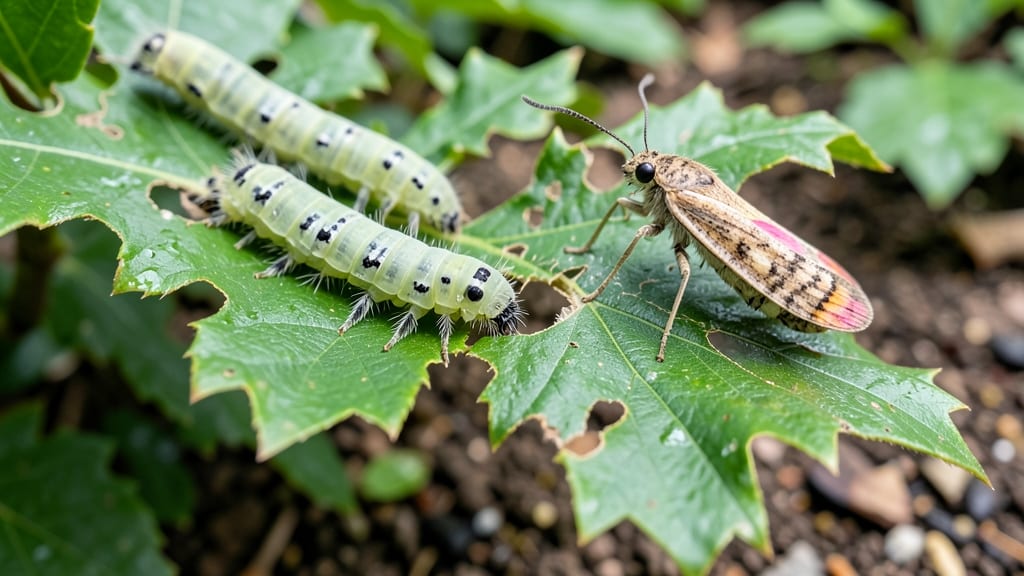
Bugs eating tree leaves can turn your backyard into a buffet for hungry pests—unless you act fast. 🌳 I’ve watched entire oaks stripped bare by caterpillars, and let’s just say it’s not pretty.
The good news? You don’t need harsh chemicals to win this battle. With the right natural remedies, you can protect your trees and keep your garden thriving.
Most leaf-munchers—like tent caterpillars, Japanese beetles, or aphids—target stressed trees first. That’s why the first step isn’t spraying but boosting tree health: water deeply, mulch properly, and prune to improve airflow.
A strong tree fights off pests better than any spray ever could. I’ve seen trees bounce back from infestations just by fixing these basics.
Here’s the game-changer: 5 natural remedies that work without harming bees or your soil. Think neem oil sprays, beneficial nematodes, or even a simple soap solution for aphids.
The key is consistency—check your trees weekly, especially after rain, when pests get active. Within a month, you’ll see fewer holes in the leaves and more vibrant growth.
This works for fruit trees, shade trees, and even young saplings. No matter what’s chewing on your canopy, these methods keep your trees strong, green, and pest-free—no mystery chemicals required. Let’s get your trees back to their full glory.
Root Causes Of Leaf Munching
When you spot your tree’s once-lush foliage reduced to skeletonized leaves, it’s not just a cosmetic issue—it’s a cry for help. Understanding why these pests target your trees is the first step in reclaiming their health.
Below, we break down the science behind the most common culprits and their motivations, so you can address the problem at its source.
Trees are like all-you-can-eat buffets for hungry insects, and when their natural food sources dwindle, they turn to your landscape. Here’s why this happens:
- Exploding populations: Many leaf-eating bugs, like gypsy moths or tent caterpillars, reproduce in massive numbers—some species can lay hundreds of eggs per season. Without predators (like birds or parasitic wasps) to keep them in check, they swarm trees en masse.
- Urbanization shrinks habitats: As forests give way to suburbs, insects lose their native food sources (e.g., wild berries, underbrush). Your manicured trees become the only green option, making them prime targets.
- Climate change extends seasons: Warmer winters mean longer breeding cycles. For example, Japanese beetles now thrive in regions where they once froze out, leading to year-round feasting.
Actionable insight: If you notice synchronized defoliation across multiple trees (especially in spring/summer), overpopulation is likely the culprit. Natural predators or plant-based repellents can help restore balance.
A tree under stress is like a person with a weakened immune system—easier pickings for pests. Stressors like drought, poor soil, or disease create the perfect invitation for leaf-eaters. Here’s how it plays out:
| Stressor | How It Attracts Pests | Signs to Watch For |
|---|---|---|
| Drought | Water-stressed trees produce less sap and more sugars in leaves, making them sweeter (and more nutritious) to insects like aphids or leafhoppers. | Wilting, crispy leaf edges, or soil pulling away from roots. |
| Compacted Soil | Roots suffocate, starving the tree of nutrients. Weakened trees can’t produce tannins (natural pest deterrents), leaving them vulnerable to borers and caterpillars. | Slow growth, yellowing between veins, or mushrooms at the base. |
| Fungal/Bacterial Infections | Diseases like powdery mildew or anthracnose create entry points for secondary pests. For example, Japanese beetles prefer trees already damaged by fungus. | Spots, mold, or sawdust-like frass (insect droppings) on leaves. |
Pro tip:🌡️ Before blaming bugs, check your tree’s health. Deep watering (1–2 inches per week) and mulching (2–4 inches of organic matter) can reduce stress and make trees less appealing to pests.
Not all trees are created equal in the insect world. Some species are delicious to pests due to their leaf chemistry, while others are barely touched. Here’s what makes your tree a buffet:
- Soft, tender leaves: Young, fast-growing trees (like maples or birches) have thin cell walls, making them easy targets for caterpillars or beetles. Mature trees with tougher leaves (e.g., oaks) are often spared.
- High nitrogen content: Fertilizer-heavy soils produce protein-rich leaves, which attract gypsy moths and tent caterpillars. Think of it like a salad bar for insects!
- Scent and color cues: Some bugs use volatile organic compounds (VOCs) to locate trees. For example, Japanese beetles are drawn to the scent of roses and linden trees.
Science-backed fix: If your tree is a known pest magnet (e.g., willows for beetles), neem oil or kaolin clay can disrupt their feeding cues without harming the tree.
Next up: Once you’ve identified the why, the how becomes clear. Stay tuned for 5 natural remedies to reclaim your tree’s foliage—without chemicals!
Natural Ways to Stop Leaf Munchers
Now that you know what’s feasting on your tree’s foliage, it’s time to act! 🌿🚫 The good news? You don’t need harsh chemicals to save your trees—just a few targeted, eco-friendly fixes.
Below, we’ll match the most common culprits to practical, step-by-step solutions, plus prevention tips to keep your trees thriving long-term.
Not all leaf-eaters require the same approach. Here’s how to tackle the most notorious offenders:
🔥 Japanese Beetles: Trap and Deter
Problem: These iridescent invaders skeletonize leaves in days, leaving behind a telltale lace-like pattern. Fix It: 1. 🍳 Set Up a DIY Trap - Fill a bucket with soapy water and a few inches of beer (the yeast attracts them).
Bury the rim at ground level near the tree. - Pro Tip: 💡 Place traps at least 30 feet away from your trees—otherwise, they’ll swarm your plants instead!
- 👨🍳 Handpick at Dawn
- Beetles are sluggish in the morning. Shake them into a bucket of soapy water (1 tbsp dish soap per gallon).
- Warning: ⏰ Do this before 9 AM—they become too active afterward!
- 🌿 Spray with Neem Oil
- Mix 2 tbsp neem oil + 1 tsp mild soap + 1 quart water. Spray leaves evenly (especially undersides) every 3–5 days.
- Bonus: 🎯 Neem oil also repels eggs, breaking their life cycle.
- 🔪 Plant Repellent Companions
- Interplant with rosemary, catnip, or garlic—beetles despise these scents.
🐞 Tent Caterpillars: Disrupt Their Webs
Problem: Silky tents + defoliated branches = a caterpillar party. Fix It:
- 🔪 Prune and Burn
- Cut open tents with scissors or a knife, then drop them into a sealed bag and burn or trash them (do not compost!).
- Timing: ⏰ Do this before they pupate (usually late spring).
- 🌡️ Use Bt (Bacillus thuringiensis)
- This natural bacteria only harms caterpillars. Mix 1 tsp Bt powder + 1 quart water, spray tents directly.
- Safety: ✨ Safe for bees and pets—apply at dusk for best results.
- 🚫 Remove Last Year’s Eggs
- Check tree bark and branches for oval, fuzzy egg masses in fall/winter. Scrape them off into soapy water.
🦋 Gypsy Moths: Break Their Cycle Early
Problem: These fuzzy caterpillars can strip a tree bare in weeks. Fix It:
- 🍳 Deploy Pheromone Traps
- Hang gypsy moth traps (available at garden centers) in May–June to catch males before mating.
- Pro Tip: 💡 Place traps 10–15 feet high and 100+ feet apart for max effectiveness.
- 👨🍳 Drown Larvae in Soapy Water
- Look for hairy green caterpillars on the undersides of leaves. Drop them into soapy water daily during outbreaks.
- 🌿 Apply Kaolin Clay
- Mix kaolin clay (Surround WP) with water and spray leaves. The white film confuses caterpillars and blocks sunlight (they starve).
- Reapply: ⏰ Every 7–10 days or after rain.
🐛 Aphids & Leafhoppers: Blast Them Off
Problem: Tiny but mighty—these sap-suckers weaken trees and spread disease. Fix It:
- 🔥 Blast with Water
- Use a strong hose spray to knock them off leaves (do this early morning).
- 🌿 Introduce Beneficial Insects
- Ladybugs, lacewings, or parasitic wasps love aphids. Buy them online or attract them with dill, fennel, or yarrow.
- 🍳 Soap Spray Recipe
- Mix 1 tbsp castile soap + 1 quart water. Spray directly on clusters (avoid flowers to protect bees).
- Reapply: ⏰ Every 2–3 days until gone.
Once you’ve kicked out the pests, lock them out with these habits:
| Prevention Tip | How to Do It | Best Time |
|---|---|---|
| 🌿 Mulch Properly | Apply 2–4 inches of organic mulch (wood chips, bark) around the base. | Spring or fall |
| 🚫 Avoid Overwatering | Keep soil moist but not soggy—pests love stressed trees. | Year-round |
| 🍃 Prune for Airflow | Trim dense branches to improve sunlight and reduce hiding spots. | Late winter/early spring |
| 🐝 Support Pollinators | Plant native flowers (e.g., milkweed, coneflowers) to attract predator insects. | Spring planting |
| 🔍 Inspect Regularly | Check new growth weekly for early signs of damage. | Spring to fall |
💡 Final Pro Tip: If your tree is heavily defoliated, it may need extra care. Water deeply and avoid fertilizing until new leaves emerge—stressed trees are easier targets!
With these targeted, chemical-free strategies, your trees will bounce back faster than you think. 🌳💚 Now go forth and reclaim those leaves!
Frequently asked questions
Why do some trees get eaten by bugs while others nearby stay untouched?
Healthy trees are naturally more resistant to pests! Bugs target stressed trees first—those with drought, poor soil, or disease. For example, oaks with tougher leaves often escape damage while young maples become buffets. Focus on deep watering (1-2 inches weekly) and proper mulching (2-4 inches) to boost defenses.
Can I use dish soap to kill bugs eating my tree leaves?
Yes, but with caution! A 1 tbsp castile soap + 1 quart water spray works well for aphids and soft-bodied pests. Shake well and spray directly on bugs (avoid flowers to protect bees). Reapply every 2-3 days—it won't harm the tree but may need frequent touch-ups for heavy infestations.
How do I know if my tree is damaged beyond recovery?
Look for these red flags: 50%+ leaf loss in one season, oozing sap, or mushrooms at the base. If branches are completely bare and the tree hasn't regrown leaves by late summer, it may be struggling. However, many trees recover if you remove pests and improve care immediately!
Are there any bugs that actually help control leaf-eating pests?
Ladybugs, lacewings, and parasitic wasps are natural predators. Buy them online or attract them by planting dill, fennel, or yarrow. Even birds help—install a bird feeder near your trees to encourage their visits. These allies can reduce pest populations by 50-80% without chemicals.
What's the fastest way to stop a sudden outbreak?
For immediate action, combine Bt spray (for caterpillars) or neem oil (for beetles) with handpicking in the morning. Remove chewed leaves completely to break the pest cycle. Check trees daily during outbreaks—early intervention prevents total defoliation.