
Pruning
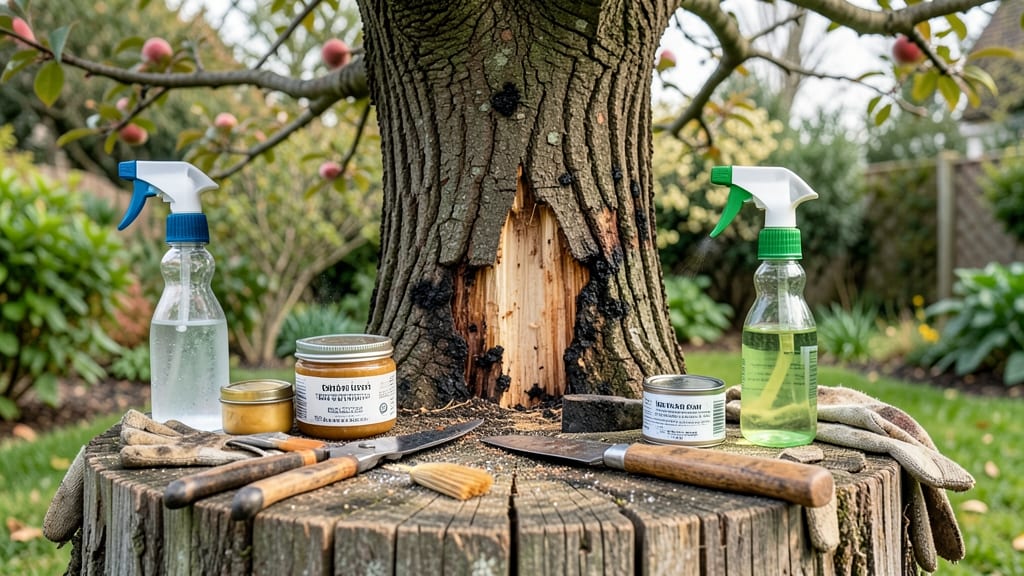
Fix tree bark damage might look scary now, but with the right moves, you can nurse it back to healthy—and fast. 🌳 I’ve seen scab and blight turn trees into sad skeletons, but a few simple steps can stop the rot and restore that thick, protective bark. The key is acting fast before the damage spreads deeper into the wood.
Most bark problems start with physical wounds—like from lawnmowers or string trimmers—or fungal infections like scab and blight. These leave ugly, cracked patches that ooze sap or turn into dark, sunken spots.
The good news? Trees heal themselves, but they need a little help—like pruning dead branches, cleaning wounds, and sealing them with the right protective coating.
By the time you’re done, your tree will look like it’s shrugging off the damage, with fresh growth pushing through and that thick bark armor back in place. The best part? You’ll catch early signs next time—like those weird white fungal spots—and stop them before they become a full-blown crisis.
For deep cracks or large wounds, though, don’t hesitate to call an arborist. Some damage needs professional care to keep your tree standing strong for years. But for most of us, a little elbow grease and the right tools make all the difference.
Root Causes of Tree Bark Damage
Tree bark isn’t just a tough outer layer—it’s a living shield protecting your tree from pests, disease, and harsh weather. When damage occurs, it’s rarely random. Understanding the why behind bark issues like scab and blight is the first step to restoring your tree’s health.
Below, we break down the most common culprits, backed by science, so you can spot the warning signs early and act fast.
Fungi are the #1 cause of bark damage, thriving in damp, shaded conditions. Two of the most destructive offenders are Venturia (causing scab) and Botryosphaeria (linked to blight). Here’s how they strike:
- Moisture overload: Fungal spores splash onto bark during rain or overhead watering, germinating when humidity stays above 70% for 24+ hours. Venturia, for example, prefers cool, wet springs—ideal for orchards and shade trees like apples or oaks.
- Weakened bark: Cracks, wounds, or sunburned patches create entry points. Once inside, fungi release enzymes that break down bark cells, leading to oozing cankers (a classic blight symptom) or dark, velvety scab patches.
- Seasonal triggers: Fungi are most aggressive in spring and fall, when temperatures hover between 50–75°F (10–24°C). Pro tip: 🌡️ Monitor your local spore forecast—some regions release alerts for high-risk fungal activity.
Red flag: Look for raised, cracked bark with a tar-like ooze (a sign of blight) or powdery, olive-green scab lesions. If ignored, these can girdle the tree, cutting off nutrient flow.
Insects don’t just nibble leaves—they tunnel into bark, creating highways for disease. Here’s how they sabotage your tree:
| Pest | Damage Type | How It Spreads Fungi |
|---|---|---|
| Bark beetles (e.g., emerald ash borer) | S-shaped galleries under bark; sawdust-like frass (borer droppings) | Their tunnels block sap flow, starving the tree and making it vulnerable to Ophiostoma fungus. |
| Scale insects | Sticky honeydew residue; black sooty mold grows on the residue | Honeydew feeds mold, which clogs bark pores and suffocates the tree. |
| Borers (e.g., flatheaded apple tree borer) | Deep holes; frass packed around entry points | Weakened wood invites Cytospora canker, a deadly blight. |
Pro tip: 🔍 Inspect bark for exit holes (beetles) or cottony egg sacs (scale). Early removal of infested branches can stop a full-blown outbreak.
Extreme conditions don’t just harm leaves—they strip bark of its protective properties. Here’s how:
- Sun scald: Sudden temperature swings (e.g., warm days + freezing nights) cause bark to split. Thin-barked trees like birch or maple are especially prone. The cracks expose wood to Botryosphaeria canker.
- Drought stress: Prolonged dry spells reduce sap flow, making bark brittle. Cracks form easily, inviting Armillaria root rot fungi.
- Physical trauma: Lawnmowers, string trimmers, or even animals rubbing against trees can strip bark, creating wounds that take months to heal. Rule of thumb: If the wound exposes green tissue, it’s a high-risk entry point for pathogens.
Red flag: Peeling bark with no underlying damage is usually harmless (like sycamore trees). But if the bark is sunken, oozing, or discolored, environmental stress is likely the culprit.
Even well-meaning gardeners can accelerate bark damage. Common offenders include:
- Improper pruning: Cuts too close to the trunk (within 1–2 inches) leave jagged wounds that heal poorly. Use clean, sharp tools and make cuts at a 45° angle to promote faster closure.
- Over-fertilizing: Excess nitrogen promotes soft, fast-growing bark
- Mulch volcanoes: Piling mulch against the trunk (more than 2–3 inches deep) traps moisture, creating a fungal paradise. Keep mulch 3–4 inches away from bark.
Pro tip: ✨ After pruning, seal wounds larger than ½ inch with tree wound paint (pruned resin-based) to reduce infection risk.
Now that you know the why, the next step is action. In the following sections, we’ll cover how to diagnose specific damage, treat fungal/bacterial infections, and prevent future outbreaks—so your tree stays resilient for years to come.
Step-by-Step Tree Bark Rescue
Now that you know what’s harming your tree’s bark, it’s time to act! Whether it’s scab, blight, or physical damage, these practical, easy-to-follow solutions will help your tree heal—and stay healthy.
Below, we’ve matched the most common causes with targeted fixes, plus prevention tips to keep future damage at bay.
Fungal infections like apple scab, anthracnose, or cedar blight thrive in damp conditions, leaving unsightly lesions and cracked bark. Here’s how to stop the spread and restore your tree’s health:
🔥 Remove Infected Bark (Prune with Care)
- Identify the damage: Look for sunken, discolored patches (often dark brown, black, or with a fuzzy growth).
- Sterilize your tools: Wipe pruners with rubbing alcohol or a 10% bleach solution to prevent cross-contamination.
- Cut out the bad: Remove infected branches at least 6 inches below the damage—fungus spreads underground!
- Dispose properly: Bag and trash infected bark do not compost—this stops spores from reinfecting.
🌡️ Apply Fungicide (When & How)
- Best time: Early spring (before buds swell) or fall (after leaves drop).
- Choose a fungicide:
- Copper-based sprays (organic, works for scab/blight).
- Neem oil (natural, disrupts fungal growth).
- Synthetic options (e.g., myclobutanil) for severe cases.
- Spray technique:
- Wet thoroughly—focus on undersides of leaves, bark crevices, and new growth.
- Reapply every 2–4 weeks during rainy seasons.
💡 Prevention: Break the Fungal Cycle
- Improve airflow: Thin dense foliage to reduce humidity near the trunk.
- Water at the base: Avoid overhead watering—fungi love damp leaves!
- Mulch correctly: Keep mulch 3–4 inches away from the trunk to prevent moisture buildup.
- Clean up debris: Rake and remove fallen leaves (fungal spores hibernate there).
Scrapes, animal bites, or sun scald expose vulnerable inner layers. Seal and protect the wound before pests or disease move in.
👨🍳 Clean the Wound (First Aid for Trees)
- Gently scrape the damaged area with a sterilized knife to remove loose, dead bark.
- Rinse with water to wash away sap or debris.
- Let it dry: Wait 24–48 hours before sealing (moisture traps bacteria).
🥘 Seal with Tree Wound Dressing (When Needed)
- Small wounds (<2 inches): Skip dressing—trees heal better on their own!
- Large wounds (>2 inches):
- Use tree wound sealant (look for non-toxic, breathable options like Tanglefoot Tree Wound Pruning Sealer).
- Apply a thin layer only to the edges—don’t smother the center.
- Alternative: Beeswax or pruning sealant (DIY-friendly, but avoid asphalt-based products).
🔪 Protect from Sun & Pests
- Wrap vulnerable spots: Use tree wrap (available at garden centers) to prevent sun scald on young or thin-barked trees.
- Monitor for pests: If beetles or borers are attracted, treat with insecticidal soap or beneficial nematodes.
✨ Prevention: Avoid Future Damage
- Protect from tools/lawnmowers: Create a buffer zone with mulch or rocks around the trunk.
- Train animals away: Use chicken wire or spray deterrents if pets/gophers are chewing bark.
- Water deeply but less often: Deep watering encourages thicker bark over time.
Even after fixing the damage, strengthen your tree’s defenses with these low-effort habits:
| Action | How to Do It | Why It Works |
|---|---|---|
| Fertilize (if needed) | Use slow-release, organic fertilizer in early spring. | Boosts immunity and bark thickness. |
| Mulch properly | 2–4 inches deep, keep away from trunk. | Regulates moisture and temp. |
| Prune strategically | Remove dead/diseased branches in late winter. | Reduces hiding spots for pests/fungi. |
| Monitor regularly | Check bark monthly for new damage. | Catches issues before they spread. |
Pro Tip: 🌡️ Healthy trees fight off damage better! If your tree is chronically weak, consider a soil test—poor nutrients make it easier for scab/blight to take hold.
Frequently asked questions
Can I use regular paint to seal tree bark wounds?
No, regular paint is a big mistake—it smothers the wound and traps moisture, which invites rot and fungal infections. Use only tree-specific wound sealants (like Tanglefoot) that allow the bark to breathe while protecting against pests. For small wounds under 2 inches, skip sealing entirely—trees heal faster without it!
How do I tell if my tree's bark damage is from fungus or pests?
Fungal damage shows as dark, velvety patches (scab) or sunken, oozing cankers (blight), often with a powdery texture. Pest damage has exit holes (beetles), sawdust-like frass (borers), or sticky honeydew (scale). Check for these clues: raised cracks = fungus; tiny holes = insects.
Will pruning infected branches stop the spread of disease?
Yes, but you must cut 6+ inches below the visible damage—fungus spreads underground! Sterilize your tools between cuts (bleach solution works), and never compost infected bark. For severe cases, repeat pruning in 2-3 weeks to remove any new growth showing symptoms.
When is the best time to treat fungal bark damage?
Early spring (before buds swell) or fall (after leaves drop) are ideal—these are the off-seasons for most fungi. Apply fungicide when temperatures are 50–75°F (10–24°C) and humidity is low. Avoid treating during rainy periods, as wet conditions help spores spread.
How long does it take for tree bark to heal after damage?
Small wounds (1 inch) may heal in 1–2 years, while larger ones (>2 inches) can take 3–5 years or longer. The key is proper pruning and avoiding stress (like overwatering). For deep cracks, focus on preventing reinfection