
How To
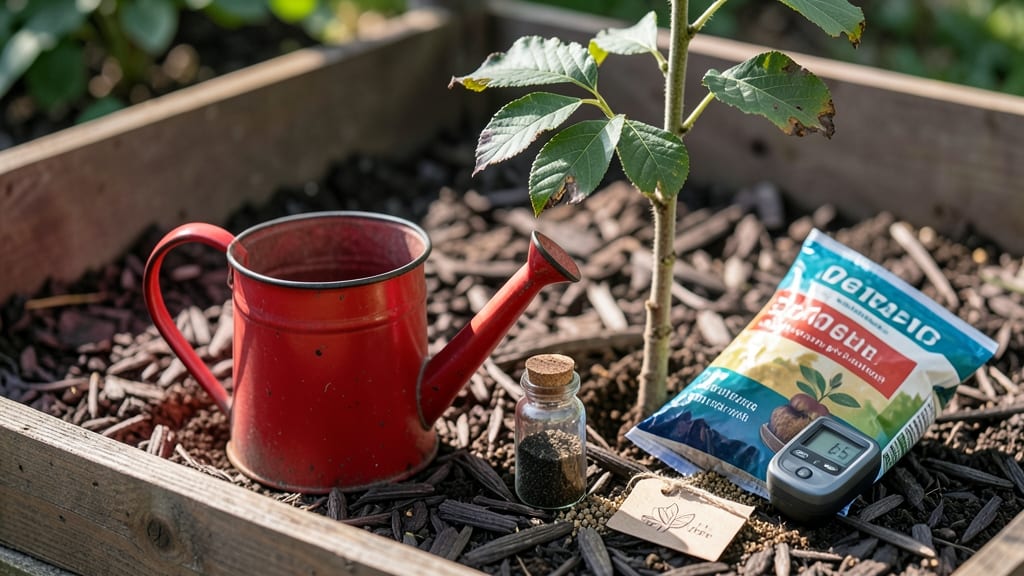
Those brown tips on the leaves of chestnut tree seedlings scream "root stress" before you even see the soil. 🌱 I’ve nursed back dozens of these young trees by tackling the real culprits—dry soil, nutrient gaps, or even windburn—before the damage spreads.
The good news? You can reverse it in weeks with three targeted fixes, no horticulturist degree required.
Most brown tips start underground. Overwatering drowns roots, while drought starves them—both trigger those crispy edges. Nutrient deficiencies (like potassium or magnesium) show up as brown tips too, especially in sandy or compacted soil.
And don’t rule out pests: spider mites or scale insects suck sap, leaving leaves scorched at the edges. The fix? Start by checking the soil moisture and leaf undersides with a magnifying glass.
Here’s the game-changer: a weekly deep-watering routine paired with a balanced fertilizer (like 10-10-10) applied every 4-6 weeks. For severe cases, mix 1 tablespoon of Epsom salt per gallon of water to boost magnesium—just don’t overdo it.
Mulch with 2-3 inches of wood chips to lock in moisture and shield roots from temperature swings. Within 3-4 weeks, you’ll see fresh green growth pushing out from the center.
Prevention is where it gets easy. Group seedlings in sheltered spots (like near a fence or under dappled shade) to break windburn. Test soil pH—chestnuts thrive in slightly acidic soil (5.5-6.5)—and amend with compost if needed.
Once you spot brown tips early, you’re not fighting a losing battle. You’re giving your seedlings a second chance to thrive.
Root Causes of Leaf Discoloration
Understanding why your chestnut tree seedlings develop brown tips on their leaves is the first step toward restoring their health. These symptoms rarely appear out of nowhere—they’re usually a cry for help from your young trees.
Let’s break down the most common culprits, backed by science, so you can diagnose the issue accurately and take action.
Chestnut seedlings thrive in well-draining soil, but excessive moisture—whether from overwatering, compacted soil, or poorly amended garden beds—can suffocate their roots. When roots sit in soggy conditions, they struggle to absorb oxygen, leading to anoxia (oxygen deprivation).
This stress triggers oxidative damage in leaf cells, causing the tips to turn brown and crispy.
🔍 How to spot it:
- The soil feels clay-like or sticky when squeezed—it shouldn’t hold moisture for days.
- Yellowing leaves (chlorosis) may appear before brown tips, signaling early root stress.
- Seedlings in containers without drainage holes are especially vulnerable.
💡 Fix it:
- Test your soil’s drainage: Dig a hole, fill it with water, and time how long it takes to drain. Ideal? <1 hour.
- Amend heavy soil with perlite, sand, or compost (aim for a 60/40 soil-to-amendment ratio).
- Water only when the top 1–2 inches of soil are dry—stick your finger in to check!
Chestnut seedlings are sensitive to extreme temperatures, whether scorching summer heat or sudden cold snaps. When leaf edges are exposed to rapid temperature fluctuations (e.g., hot afternoon sun after cool mornings), cells lose moisture faster than roots can replenish it.
This causes desiccation, where tips dry out and turn brown.
🔍 How to spot it:
- Brown tips appear only on sun-exposed sides of leaves.
- Leaves may feel crispy or papery to the touch.
- Symptoms worsen in low-humidity conditions (common in arid climates or indoor setups).
💡 Fix it:
- Provide afternoon shade (use shade cloth with 30–50% coverage) during peak heat.
- Mulch the soil with 2–3 inches of organic mulch (straw or wood chips) to retain moisture and regulate temperature.
- For indoor seedlings, use a humidifier or place a tray of water near them.
Pathogens like Phytophthora (a water-mold fungus) or Pseudomonas bacteria can infect seedlings, particularly in overly wet or humid conditions. These microbes clog root cells, blocking water and nutrient uptake. As a result, leaves develop necrotic (dead) tissue at the edges, often paired with yellowing or blackened spots.
🔍 How to spot it:
- Brown tips spread inward over time, unlike environmental stress.
- Leaves may drop prematurely or show mushy stems.
- Foul odors near the soil line can indicate bacterial rot.
💡 Fix it:
- Remove infected seedlings immediately to prevent spread.
- Apply a copper-based fungicide (e.g., Bordeaux mixture) or hydrogen peroxide spray (3%) for bacterial issues.
- Sterilize tools with rubbing alcohol before replanting.
- Improve air circulation with spacers between seedlings (3–4 inches apart).
Brown tips can also signal a lack of essential nutrients, particularly calcium, magnesium, or potassium. These minerals play critical roles in cell structure and water regulation. For example:
- Calcium deficiency: Causes blossom-end rot-like symptoms in leaves, where tips brown and die.
- Magnesium deficiency: Leads to interveinal chlorosis (yellowing between veins) before browning.
- Potassium deficiency: Weakens cell membranes, making leaves susceptible to drought stress and browning.
🔍 How to spot it:
- Brown tips paired with stunted growth or purple-tinged undersides of leaves.
- Symptoms appear even with consistent watering.
- Older leaves show signs before new growth.
💡 Fix it:
- Conduct a soil test to identify specific deficiencies (local extension offices often offer affordable kits).
- Apply a balanced fertilizer (e.g., 10-10-10) followed by a targeted amendment:
- For calcium: Crushed eggshells or gypsum (mix into soil).
- For magnesium: Epsom salt (1 tbsp per gallon of water), sprayed on leaves.
- For potassium: Banana peel tea or wood ash.
- Avoid over-fertilizing, which can burn roots and worsen the issue.
Pro Tip: 🌡️ If you’re unsure whether the issue is water-related or nutrient-related, try this quick test: Withhold water for 3 days. If brown tips spread rapidly, it’s likely environmental stress. If they stabilize or improve, the problem is probably overwatering or poor drainage.
Fixing Your Seedlings Step by Step
Now that you know the likely causes behind those pesky brown tips on your chestnut tree seedlings, let’s roll up our sleeves and get them back to thriving! 🌱 The good news?
Most fixes are simple, cost-effective, and require minimal effort. Below, we’ve mapped out practical solutions tailored to each root cause—plus tips to keep your seedlings healthy long-term.
If your seedlings are drowning in soggy soil, act fast to prevent root rot and further damage.
🔥 Step 1: Adjust Your Watering Routine
- Check soil moisture before watering: Stick your finger 1–2 inches into the soil. If it’s damp, wait. If it’s dry, water lightly.
- Water deeply but less often: Aim for 1–2 times per week (adjust based on climate).
Use a watering can with a narrow spout to target the base, not the leaves. - Avoid overhead watering: Wet leaves can attract fungal diseases. Water at the soil line instead.
🍳 Step 2: Improve Drainage
- Repot if needed: If your seedlings are in containers, ensure they have drainage holes.
If not, transfer them to pots with holes or add a layer of perlite or coarse sand to the bottom. - Amend heavy clay soil: Mix in compost, peat moss, or sand (20–30%) to loosen the soil and improve aeration. - Raise containers: Place pots on elevated trays or saucers to prevent waterlogging.
🌡️ Pro Tip:
Use a moisture meter to monitor soil conditions—it’s a game-changer for avoiding overwatering!
Brown tips from thirst or scorching sun? Here’s how to quench your seedlings’ needs.
👨🍳 Step 1: Water Properly
- Bottom-watering trick: Place seedlings in a tray of 1–2 inches of water for 10–15 minutes.
This encourages roots to absorb moisture without over-saturating the surface. - Mulch to retain moisture: Sprinkle straw, wood chips, or coconut coir around the base (but not touching the stem) to lock in humidity. - Water in the morning: This gives leaves time to dry before evening, reducing evaporation.
🥘 Step 2: Shield from Harsh Conditions
- Provide shade: Use shade cloth (30–50%) or move seedlings to a sheltered spot during peak sun (10 AM–4 PM).
- Mist leaves lightly: On hot days, give a gentle misting with a spray bottle to cool the foliage (avoid soggy leaves).
- Avoid plastic covers: Clear plastic traps heat—opt for breathable fabric or remove covers during heatwaves.
✨ Pro Tip:
Group seedlings together to create a microclimate with higher humidity. Just ensure they’re not too crowded!
If brown tips are paired with yellowing, spots, or slimy stems, you’re likely dealing with a pathogen.
🔪 Step 1: Prune and Isolate
- Trim affected leaves: Use sterilized scissors to snip off brown or diseased tips. Dispose of clippings in a sealed bag (not compost).
- Quarantine sick seedlings: Move them 3+ feet away from healthy plants to prevent contamination.
🧼 Step 2: Disinfect and Treat
- Clean pots and tools: Scrub containers with a 10% bleach solution (1 part bleach to 9 parts water) or rubbing alcohol.
Rinse well. - Apply fungicide/bactericide: Spray seedlings with a copper-based fungicide (like copper sulfate) or neem oil solution (1 tbsp neem oil + 1 quart water + drop of dish soap).
Reapply every 7–10 days. - Improve airflow: Space seedlings 6–12 inches apart and avoid dense mulch around stems.
🎯 Pro Tip:
Prevent future outbreaks by rotating seedlings every few weeks to reduce soil-borne disease buildup.
Brown tips from over-fertilizing or poor nutrition? Balance their diet carefully.
📊 Step 1: Flush the Soil
- Leach excess salts: Water seedlings thoroughly with distilled or rainwater for 10–15 minutes to rinse out built-up salts.
- Avoid synthetic fertilizers: Switch to organic options like fish emulsion (diluted to half-strength) or compost tea.
💪 Step 2: Fertilize Smartly
- Use a balanced, slow-release fertilizer: Look for a 10-10-10 or 5-5-5 NPK ratio (nitrogen, phosphorus, potassium).
Apply every 4–6 weeks in spring/summer. - Micronutrient boost: Add a chelated iron or magnesium supplement if leaves show interveinal yellowing (common in deficiency). - Avoid fertilizer on dry soil: Always water 1–2 days before and after applying fertilizer to prevent root burn.
🍎 Pro Tip:
Test your soil with a DIY kit (available at garden centers) to identify specific deficiencies before treating.
- 🔍 Monitor regularly: Check leaves 2–3 times weekly for early signs of stress.
- 🌧️ Water wisely: Stick to the "finger test"—soil should be moist but not soggy.
- ☀️ Acclimate gradually: Harden off seedlings by slowly increasing sun exposure over 1–2 weeks.
- 🌱 Choose the right pot: Ensure containers are large enough (at least 6 inches deep) for chestnut roots.
- 🚫 Avoid common mistakes:
- Overcrowding seedlings.
- Using tap water high in chlorine/fluoride (let it sit out for 24 hours or use filtered water).
- Ignoring pests like spider mites (treat with insecticidal soap if spotted).
Remember: Chestnut seedlings are resilient! With these fixes, you’ll see new growth in 2–4 weeks. If brown tips persist, dig deeper—root health (check for rot or girdling) might need attention. Happy growing! 🌿💚
Frequently asked questions
Why do chestnut seedlings get brown tips even when I water them regularly?
Brown tips often signal overwatering or poor drainage, not underwatering. When roots sit in soggy soil, they can't absorb oxygen, causing oxidative damage to leaf edges. Test drainage by filling a hole with water—if it drains in <1 hour, soil is fine. If not, amend with perlite or sand and water only when the top 1-2 inches feel dry.
Can I save chestnut seedlings with brown tips that have spread to half the leaf?
Yes, but act fast! Prune affected areas with sterilized scissors and focus on fixing the root cause (water, nutrients, or pests). For severe cases, flush soil with distilled water to remove excess salts, then apply a balanced fertilizer (10-10-10). New growth should appear in 3-4 weeks if roots are healthy.
How do I tell if brown tips are from pests vs. environmental stress?
Check leaf undersides with a magnifying glass. Pests (like spider mites) leave tiny webs or sticky residue, while environmental stress causes uniform browning without visible bugs. Also, pest damage often appears on younger leaves first, whereas drought/overwatering affects older leaves.
Will mulching really help chestnut seedlings with brown tips?
A 2-3 inch layer of wood chips or straw retains moisture, regulates soil temperature, and blocks weeds that compete for nutrients. For seedlings in containers, use coconut coir instead. Mulch also prevents soil-borne diseases by reducing temperature swings that stress roots.
How often should I fertilize chestnut seedlings with brown tips?
Start with a light application every 6-8 weeks using a balanced fertilizer (5-5-5 NPK). Over-fertilizing burns roots, worsening brown tips. For deficiencies, use targeted amendments: Epsom salt (1 tbsp/gallon) for magnesium or crushed eggshells for calcium. Always water 24 hours before and after applying fertilizer.