
Pruning
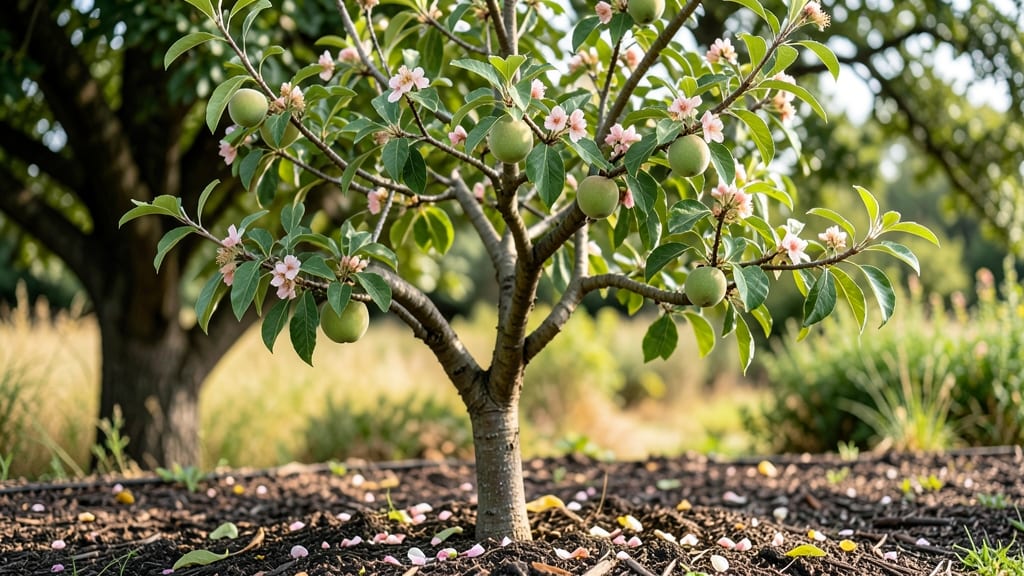
Your peach tree 🍑 fruit staying green instead of ripening is a common issue that can be fixed faster than you think.
Picture this: You’ve spent months tending to your tree, only to find it loaded with green peaches when harvest time rolls around. The good news? This isn’t a lost cause—it’s often just a matter of adjusting care, not replacing the tree.
Green peach fruit usually points to one of a few fixable problems: too little sunlight, inconsistent watering, or a nutrient imbalance. Even pests or temperature swings can stall ripening.
Below, I’ll walk you through the most likely causes and the fastest solutions to turn those green peaches into the sweet harvest you’re dreaming of.
With the right tweaks—like pruning for better airflow, fertilizing at the right time, or even a simple spray—you can salvage your crop before it’s too late. Let’s get your peaches back on track.
Why your peach tree fruit stayed green: 5 common causes
Peach trees are one of the most rewarding fruits to grow, but seeing green peach fruit instead of the classic orange hue can be frustrating. The good news? This issue almost always has a clear cause—and a fix.
Understanding why your fruit isn't ripening properly is the first step to saving your harvest. Let’s break down the biological and environmental factors keeping your peaches stuck in their green phase.
Peaches ripen through a complex process influenced by sunlight exposure, temperature fluctuations, and even the tree's internal chemistry. When something disrupts this process, your fruit stays green longer than expected.
The most common culprits? Insufficient sunlight, temperature stress, nutrient imbalances, watering issues, and even genetic traits of your specific peach variety. Let’s explore each one in detail.
Before diving into solutions, it’s important to rule out these causes systematically. Start by observing your tree’s location and sunlight patterns. Peaches need 6-8+ hours of direct sunlight daily to ripen properly.
If your tree is in a shaded spot—even partially—your fruit will struggle to turn color. Next, check for temperature swings, especially late-season cold snaps or inconsistent warmth, which can stall ripening.
Another key factor is the nutrient profile of your soil. Peach trees require a balanced diet of nitrogen, phosphorus, and potassium, but too much nitrogen (common in fresh manure or over-fertilizing) can lead to lush foliage at the expense of fruit ripening.
Finally, water stress—whether from drought or overwatering—can also cause fruit to stay green. Let’s tackle each cause with actionable insights.
Peaches need full sun (6-8+ hours daily) to ripen. Shade from buildings, taller trees, or even nearby foliage can block critical sunlight, keeping fruit green. Check for obstructions and prune competing branches.
Late-season cold snaps or inconsistent warmth can stall ripening. Peaches need consistent warmth (75-85°F) in their final stages. Monitor weather forecasts and protect fruit with row covers if needed.
Too much nitrogen (from fresh manure or over-fertilizing) promotes leafy growth but delays fruit ripening. Test your soil pH (6.0-7.0 ideal) and adjust with phosphorus-rich fertilizers like bone meal.
Drought or overwatering disrupts nutrient uptake. Water deeply 1-2 times per week (15-20 gallons per tree) and mulch to retain moisture. Avoid wetting fruit to prevent fungal diseases like brown rot.
Some peach varieties (like green-fleshed types) naturally stay green longer. Check your tree’s cultivar description—some are bred for late ripening or even green-skinned fruit (e.g., 'Green Garnet').
Now that you’ve identified the likely cause, the next step is to address it before harvest. For example, if sunlight is the issue, consider relocating your tree or pruning nearby branches to improve light exposure.
If temperature is the culprit, protect your fruit with a cloche or row cover during cold nights. For nutrient imbalances, a soil test will reveal deficiencies, and switching to a low-nitrogen, high-phosphorus fertilizer can help.
Water stress is another common issue, especially in drought-prone areas. Deep watering—15-20 gallons per tree weekly—ensures roots reach moisture without stressing the fruit. Mulching with wood chips or straw also helps retain soil moisture and regulate temperature.
If your peach variety is naturally green-skinned, like 'Green Garnet', embrace it—these peaches are often sweeter and less prone to cracking.
Remember, peaches ripen best when left on the tree. If you’re still seeing green fruit near harvest time, don’t rush to pick them. Instead, monitor for color changes, softness, and fragrance—these are the true signs of ripeness.
Some varieties even ripen better off the tree, so stay patient and let nature do its work.
By addressing these five common causes, you’ll give your peach tree the best chance to produce sweet, ripe fruit. Next, we’ll dive into step-by-step solutions to fix green peach fruit and ensure a bountiful harvest. The key is acting early—so grab your pruners and let’s get to work! 🌱
How to fix green peach fruit before harvest: step-by-step solutions
Green peach fruit at harvest time can be frustrating, but don’t toss those peaches just yet! With the right temperature adjustments, pruning techniques, and nutrient tweaks, you can often coax them into ripening properly.
The key is acting quickly—most peaches need 120-180 days of warm weather to ripen fully, and green fruit signals a disruption in that process.
Before diving into fixes, confirm whether your peaches are genetically prone to green ripening (some varieties like 'Green Garnet' stay greenish longer) or if environmental factors are at play.
If you’re unsure, start with the basics: water consistency and sunlight exposure. Once you’ve ruled out those, move to targeted solutions below.
Step-by-Step Fixes for Green Peach Fruit
-
Step 1: Optimize Temperature
Peaches need 70-85°F daytime temps to ripen. If nights dip below 55°F, cover trees with frost blankets or row covers. For extreme heat (>90°F), provide afternoon shade cloth (30-50% shade) to prevent stress.
-
Step 2: Prune for Better Airflow
Thin out overcrowded branches to improve sunlight penetration. Remove suckers and water sprouts—these compete for nutrients. Aim for 6-8 inches between fruit to reduce disease risk.
-
Step 3: Adjust Fertilization
Apply a low-nitrogen, high-potassium fertilizer (e.g., 5-10-10) to boost ripening. Avoid high-nitrogen fertilizers—they promote leafy growth over fruit maturity. Side-dress with composted manure for organic growers.
-
Step 4: Use Organic Ripening Sprays
Spray fruit with a calcium chloride solution (1 tbsp/gallon) to strengthen cell walls and encourage color change. For organic growers, try a kelp spray (1 tsp liquid kelp/quart water) to stimulate natural ripening hormones.
-
Step 5: Hand-Pollinate if Needed
If your area had poor pollination (e.g., rainy spring), gently shake branches to release pollen. For stubborn cases, use a soft paintbrush to transfer pollen between flowers. Do this in morning hours for best results.
-
Step 6: Mulch Properly
Add 3-4 inches of organic mulch (straw or wood chips) to retain soil moisture and regulate temperature. Keep mulch 6 inches away from the trunk to prevent rot.
-
Step 7: Monitor for Pests/Disease
Check for peach tree borers or brown rot, which can stunt ripening. Treat with neem oil (organic) or copper fungicide (conventional) as needed. Remove infected fruit immediately.
Consistency is key—apply these fixes over 2-3 weeks and monitor progress. If peaches still refuse to ripen, they may need to be harvested early for cooking or preserving. However, with patience and the right care, you’ll often see color changes within 7-10 days of implementing these steps.
Pro tip: Keep a harvest journal to track which fixes work best for your climate. Note temperature fluctuations, rainfall, and fertilizer types—this helps refine your approach for next season. Your future peach harvests will thank you!