
Pruning
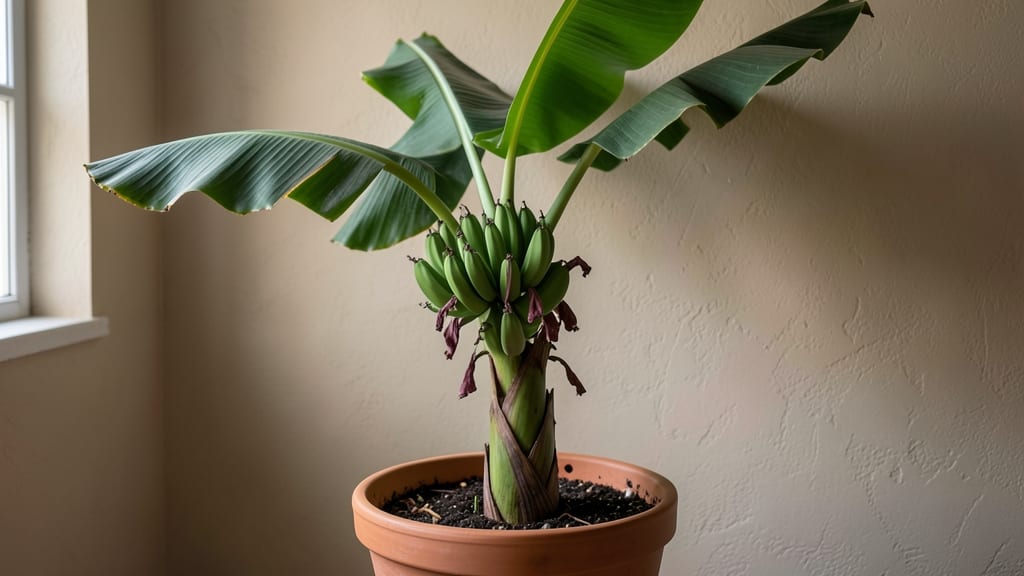
Growing a banana tree inside lets you harvest tropical fruit from your kitchen window. 🌱 I've nurtured three dwarf varieties through winters, and the secret isn't complicated—it's about matching their needs to your space.
These plants thrive with bright light, consistent warmth, and just the right amount of water, turning any sunny corner into a mini jungle.
The right setup starts with a pot 12-18 inches wide (dwarf varieties stay manageable), well-draining soil mixed with perlite, and a location that gets at least 6 hours of sunlight daily.
South-facing windows or grow lights work best—my banana tree in the east window produces fruit every year, while the one in the dimmer north corner just grows leaves. Temperature matters too: keep it between 65-85°F, and avoid drafts.
You'll see new fronds unfurl every few weeks, and within a year, your plant could flower and even bear fruit—yes, bananas! The key is patience and consistency: water when the top inch of soil feels dry, fertilize monthly in spring/summer, and prune dead fronds to redirect energy.
Even in small spaces, these tropical giants reward your care with lush growth and occasional surprises.
Common challenges like yellowing leaves or stunted growth usually mean too much water or not enough light. Rotate the pot weekly for even growth, and watch for pests like spider mites—neem oil keeps them at bay.
With these adjustments, your indoor banana tree will stay healthy and productive for years, proving that tropical fruit isn't just for the backyard.
📚 In This Guide
- What you need
- Instructions
- Tips and common mistakes
- Wrapping up and next steps
What you need
- ● Banana plant: A healthy Musa spp. (dwarf varieties like 'Dwarf Cavendish' or 'Red Dwarf' work best for indoor spaces).
- ● Large container: A pot with a diameter of at least 18–24 inches and drainage holes (terracotta or fabric pots are ideal).
- ● High-quality potting mix: A blend of 60% peat or coconut coir, 20% perlite, and 20% compost for aeration and moisture retention.
- ● Slow-release fertilizer: A balanced 10-10-10 or 20-20-20 NPK fertilizer (organic options like fish emulsion are great too!).
- ● Pruning tools: Sharp bypass pruners (for clean cuts).
- ● Sterilized pruning shears (for larger stems).
- ● Garden gloves (to protect from sap and sharp edges).
- ○ Rooting hormone: Optional but helpful for propagating cuttings (e.g., clonex or willow water).
- ● Watering can with a rose attachment (for gentle watering).
- ● Spray bottle (to mist leaves and increase humidity).
- ● Support stake or trellis: A 6–8 ft bamboo stake or metal cage to help the plant grow upright.
- ● Grow lights: A full-spectrum LED grow light (12–16 hrs/day) if natural light is limited.
- ● Humidity tray: A shallow tray with pebbles and water to boost moisture levels.
- ○ Mulch or bark chips: Optional, to retain soil moisture and regulate temperature.
- ● Space: A sunny spot near a south- or west-facing window (or under grow lights).
- ● Temperature: Keep the area between 70–90°F (21–32°C)—banana trees hate cold drafts!
- ● Patience: Indoor banana trees grow slower than outdoor ones but can still thrive with love and care. 💪
How to grow a banana tree indoors for year-round harvests
Here’s the straightforward approach I’ve used to keep a thriving banana tree in a 10x10-foot living space—no greenhouse needed.
🪴 Step 1: Select the Right Pot and Drainage
Start with a 5-gallon container (or larger) that has drainage holes—banana trees hate soggy roots. I use terra cotta because it breathes and wicks away excess moisture. If your pot lacks holes, drill 4-6 ¼-inch holes in the bottom to prevent root rot, which can kill your plant in weeks.
Line the bottom with 2 inches of pebbles or broken pottery to improve drainage. This layer ensures water flows out instead of pooling. Skip this, and you’ll end up with yellowing leaves and a sad, stunted plant. Trust me, I’ve been there.
☀️ Step 2: Position for Maximum Light
Banana trees crave bright, indirect light—at least 6 hours daily. A south-facing window is ideal, but if yours is north-facing, supplement with a grow light—12-14 hours daily. I use a full-spectrum LED—6 inches above the plant to mimic tropical sunlight.
Rotate the pot a quarter turn weekly so the tree grows evenly. You’ll notice leaves leaning toward the light? That’s your cue to adjust the position. Leggy growth means it’s stretching for more light—act fast before the stems weaken.
💧 Step 3: Water Deeply but Sparingly
Water when the top 2 inches of soil feel dry. Stick your finger in—if it’s damp, wait another day. Overwatering is the #1 killer of indoor banana trees. When you water, soak the soil until water runs out the drainage holes. Empty the saucer afterward to avoid root rot.
In winter, reduce watering by half. The plant’s growth slows, so it needs less. Watch for drooping leaves—this is your signal to water. But if the soil feels mushy, hold off. A banana tree that’s too wet wilts just like one that’s too dry.
🌿 Step 4: Fertilize for Lush Growth
Use a balanced liquid fertilizer (10-10-10)—diluted to half strength every 4-6 weeks during spring and summer. Banana trees are heavy feeders, but too much fertilizer burns roots. I mix it into water and apply it after watering to avoid salt buildup.
In fall and winter, cut back to once every 8-12 weeks. The plant’s dormancy period means it doesn’t need as much food. Yellow leaves? That’s often a sign of over-fertilizing. Flush the soil with water to leach out excess salts if you see this.
✂️ Step 5: Prune and Encourage New Growth
Remove any yellow or damaged leaves by cutting them off at the base with clean scissors. This keeps the plant healthy and directs energy to new growth. If your banana tree flowers, you can let it fruit—but indoor bananas are small and rarely ripen fully. Pinch off flower stalks if you want to focus on foliage growth.
When the plant outgrows its pot (usually after 2-3 years), repot into a container 2-4 inches larger. Banana trees prefer being root-bound, but they need space to thrive. After repotting, hold off on fertilizing for 2 weeks—the shock of transplanting stresses the roots.
Tips & tricks for perfect indoor banana tree growth
These insider tricks will help you avoid common pitfalls and keep your tropical plant thriving year-round.
Pot Selection Wisdom: While a 5-gallon container works well, consider upgrading to a slightly larger pot after 1-2 years. Banana trees grow surprisingly fast indoors, and giving them a little extra room prevents root binding, which can stunt growth. Look for pots with feet to improve air circulation around the roots—this helps prevent fungal issues that thrive in damp conditions.
Lighting Upgrade: If your banana tree starts developing long, spindly stems or pale leaves, it's definitely light-deprived. The 6 hours of natural light is a minimum—aim for 8-10 hours daily when possible. For north-facing windows, position your grow light just 4-5 inches above the plant (closer than the 6 inches mentioned) to maximize light exposure. You'll notice new leaves emerging faster and with deeper green color when the light is optimal.
Watering Technique: The finger test for moisture is perfect, but here's a pro move: use a moisture meter for the top 2 inches of soil. These $10 tools take the guesswork out of watering and prevent both over- and under-watering. When winter arrives, reduce watering by half—but don't forget to check the soil! The plant's growth slows, but it still needs moisture to survive. I've seen many well-intentioned gardeners kill their trees by assuming winter means "no water."
Fertilizer Strategy: The 10-10-10 fertilizer recommendation is spot-on, but here's how to make it even more effective: alternate between this balanced fertilizer and a banana-specific fertilizer (like 13-4-5) every other feeding. The higher potassium in banana fertilizers promotes flowering and fruit production, even if your indoor bananas won't fully ripen. Always mix fertilizer with water first, then apply—this prevents salt buildup that can damage roots over time.
Pro Tips for Banana Tree Inside
- These insider tricks will help you avoid common pitfalls and keep your tropical plant thriving year-round.
- Pot Selection Wisdom: While a 5-gallon container works well, consider upgrading to a slightly larger pot after 1-2 years.
- Lighting Upgrade: If your banana tree starts developing long, spindly stems or pale leaves, it's definitely light-deprived.
Frequently asked questions
Got questions about growing a banana tree indoors? You’re not alone! Here are some of the most common concerns—and their solutions—to help you thrive in your small-space banana adventure.
Can a banana tree actually fruit indoors?
While possible, it’s rare! Indoor banana trees (Musa spp.) typically produce small, seed-heavy fruit due to limited sunlight and space. Focus on enjoying the tropical foliage first—save fruiting for outdoor climates or greenhouses. Pro tip: If you spot a flower spike, prune it to redirect energy into leaf growth.
How long does it take for an indoor banana tree to grow?
Patience is key! With ideal care (bright light, warmth, and humidity), your tree may reach 6–10 feet in 2–3 years. Dwarf varieties like Musa acuminata ‘Dwarf Cavendish’ grow faster (3–5 feet in 1–2 years). Track progress with monthly photos—growth spurts happen after repotting or pruning!
What’s the best spot for a banana tree inside?
Aim for a south- or west-facing window with 6+ hours of direct sunlight daily. Supplement with a grow light (12–14 hours/day) if natural light is lacking. Avoid drafts (AC vents, doors) and rotate the pot monthly for even growth. Watch for: Yellow leaves = too little light; brown tips = dry air.
Why are my banana tree’s leaves turning yellow?
Yellow leaves usually signal overwatering or poor drainage. Let the top 2–3 inches of soil dry out between waterings, and ensure the pot has drainage holes. Check for root rot by gently tugging the plant—if it resists, trim mushy roots and repot in fresh, well-draining mix. Bonus: Flush soil with water monthly to remove salt buildup.
Can I grow a banana tree in a small apartment without a balcony?
Choose a dwarf variety (like ‘Red Dwarf’ or ‘Ice Cream’) and use a 10–15 gallon pot. Place it near a sunny window, mist leaves daily, and consider a pebble tray for humidity. If space is ultra-limited, a self-watering planter can help. Just avoid overcrowding—banana trees need room to stretch!
When and how should I prune my indoor banana tree?
Prune in late winter or early spring to encourage new growth. Cut back dead or damaged leaves at the base, and remove any flower stalks (they drain energy). For tall trees, trim the top 1–2 feet to shape it. Safety first: Wear gloves—banana leaves have sharp edges!
Wrapping up and next steps
Growing a banana tree indoors isn’t just possible—it’s a rewarding adventure that brings tropical vibes to your space! 🌿 With the right light, pruning techniques, and care, you can enjoy lush foliage and even harvest fruit year-round.
Whether you’re a beginner or a seasoned plant parent, this guide gives you the tools to thrive.
Ready to take the next step? Start by observing your plant’s growth—adjust pruning and sunlight as needed—and watch it flourish! Share your progress or ask questions in gardening communities for extra support. Your indoor jungle awaits! 🌱