
Trees
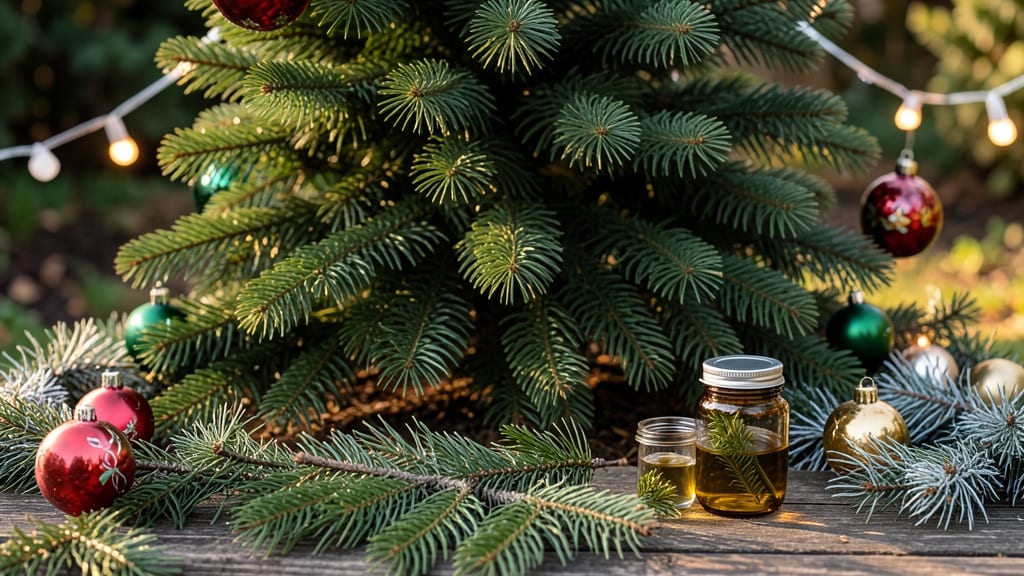
The balsam fir Christmas tree scent comes from its natural oils—like pinene and limonene—which create that fresh, resinous, evergreen aroma. To preserve it, keep the tree in a cool, humid space and use essential oil diffusers with fir or pine scents nearby.
The balsam fir's signature holiday fragrance isn't just nostalgic—it's science-backed. 🌲 These evergreen needles release volatile compounds like pinene (the same terpene in pine) and limonene (found in citrus), but balsam fir's unique blend feels richer and more complex.
That's why its scent triggers memories of winter wonderlands better than other trees. For maximum freshness, I recommend placing a bowl of water with a few drops of balsam fir essential oil near your tree—it mimics the natural oils while keeping the air moist.
What makes this scent so special is how it interacts with our senses.
The cool, crisp aroma of balsam fir activates the same brain regions as warm memories, creating that cozy holiday feeling. 💫 Unlike artificial fragrances, these natural compounds evolve over time, developing deeper, more complex notes as the tree ages.
This is why many people prefer real balsam fir trees—they don't just smell like Christmas, they feel like Christmas.
💡 In This Article
- Science Behind Balsam Fir’s Iconic Holiday Scent
- Tips to Extend Balsam Fir’s Aroma in Your Home
Science behind balsam fir’s iconic holiday scent
The balsam fir's signature winter aroma comes from its complex blend of terpenes, primarily α-pinene (which makes up about 40% of its essential oils) and β-pinene.
These compounds aren't just present in firs—they're found in many evergreens, but balsam fir produces them in higher concentrations, creating that richer, more resinous scent.
For comparison, a typical pine tree contains around 2-5% essential oils by weight, while balsam fir can reach 1-2%—enough to fill a room with fragrance when fresh.
What makes balsam fir's scent uniquely comforting is its secondary compounds like limonene (also found in citrus) and bornyl acetate, which add floral and slightly sweet notes. These chemicals work together to create that "holiday magic" aroma that triggers nostalgic memories.
The scent molecules are volatile, meaning they easily evaporate at room temperature (68-72°F), which is why the fragrance intensifies when you crush the needles between your fingers. 🌲 This chemical process is called trituration, and it's why balsam fir's scent feels so immediate and enveloping.
The human nose detects these compounds through specialized receptors in the olfactory epithelium. Pinene, for example, activates TRPA1 receptors, which our brains associate with fresh, cool environments—perfect for winter. Studies show that inhaling these terpenes can even reduce stress by stimulating the release of serotonin.
This biological response explains why the scent of a real balsam fir feels more comforting than artificial alternatives, which often lack these complex chemical interactions.
Another fascinating aspect is how the scent evolves over time. When you first bring a balsam fir indoors, you notice sharp, crisp notes of pinene. After 24-48 hours, secondary compounds like bornyl acetate become more prominent, adding depth and warmth to the aroma.
This natural progression mimics how our memories of childhood Christmases develop—starting with vivid, immediate impressions that deepen over time. 💫 Unlike synthetic fragrances that remain static, a real balsam fir's scent tells a story through its chemical evolution.
For those curious about the science, you can test this yourself: Place a few fresh balsam fir needles in a sealed jar for 30 minutes. The scent will intensify as the terpenes concentrate in the confined space.
This demonstrates how the tree's natural oils work together to create that unmistakable holiday aroma—something artificial replicants often struggle to capture accurately.