
Trees
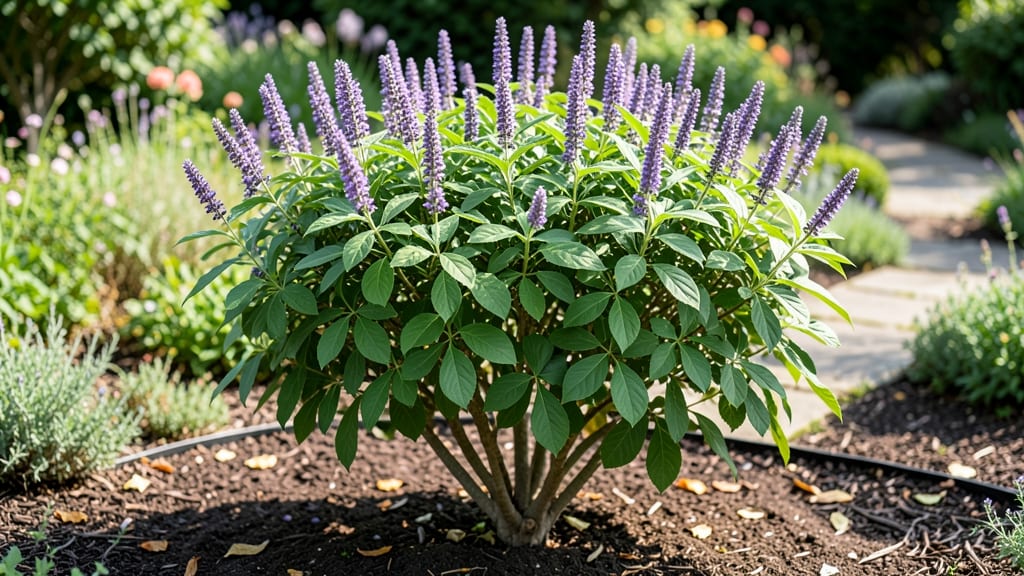
Determining the chaste tree hardiness zone means focusing on USDA zones 6 through 9, where it handles winter temperatures from -10°F to 30°F. Young plants require extra winter care, while established trees build natural cold resilience over time.
The chaste tree's cold tolerance improves dramatically as it matures, thanks to its deep root system that anchors it against temperature swings. 🌱 In zone 6, where winters dip near -10°F, mulching with 3-4 inches of organic material can make all the difference by insulating roots.
For zones 8-9, where temperatures rarely drop below 10°F, these trees thrive with minimal protection, though sudden cold snaps can still stress younger specimens. The key difference between zones lies in how quickly the tree establishes its root network—typically within 2-3 years for optimal winter survival.
If you're pushing the limits in zone 5 or 10+, microclimates become your best friend. Plant near south-facing walls or in sheltered spots where cold air pools less, and consider container growing for extra mobility during harsh winters.
Pruning back by one-third in late winter also encourages stronger new growth, which is more cold-resistant. The tree's natural dormancy period means it can handle brief freezes, but prolonged sub-zero temperatures will always be a challenge for younger plants.
💡 In This Article
- Chaste Tree Cold Tolerance and Winter Survival Strategies
- Planting Chaste Tree in Marginal Hardiness Zones
Chaste tree cold tolerance and winter survival strategies
The chaste tree's ability to withstand cold hinges on its deep taproot system, which can extend up to 6 feet deep. This root structure acts like a natural insulator, storing energy and nutrients that fuel regrowth after winter dormancy.
In zone 6, where temperatures drop to -10°F, the tree's mature roots can absorb heat from deeper soil layers, protecting the crown from freeze damage. 🌱 The science here is fascinating—the roots contain higher concentrations of sugars and antioxidants that act as antifreeze, preventing cellular damage during cold snaps.
Young chaste trees, however, lack this protective root network. Their vulnerability stems from shallow root systems that can't access deeper warmth, making them susceptible to crown heave—when frozen soil expands and pushes roots upward.
This is why gardeners often see young specimens struggling in zone 5 winters, even when mature trees thrive there. The transition to cold resistance typically occurs after 2-3 years, once roots reach sufficient depth.
In zone 9, where winters rarely drop below 10°F, the tree's natural dormancy period becomes less critical, but sudden cold snaps can still stress younger plants.
Temperature fluctuations play a crucial role in dormancy cycles. Chaste trees enter dormancy when nighttime temperatures consistently drop below 40°F for several weeks, triggering biochemical changes that harden cell walls.
However, rapid temperature swings—like a 60°F daytime thaw followed by 20°F nights—can confuse the plant's dormancy signals, leading to premature budding or frost damage. This is why zone 7 gardeners often face more challenges than those in zone 8, where winters are more stable.
The tree's native Mediterranean climate means it's adapted to mild winters with occasional cold snaps, not prolonged sub-zero conditions.
One key adaptation is the tree's ability to supercool its cellular fluids, lowering the freezing point below 32°F. This process, combined with the accumulation of protective proteins, explains why mature chaste trees can survive brief exposures to -10°F without permanent damage. The trade-off?
This supercooling mechanism requires energy, which is why young trees prioritize root growth over cold resistance in their first few years.
In zone 6, providing 3-4 inches of mulch around the base mimics this natural insulation, while in zone 9, the focus shifts to protecting against late spring frosts that can damage emerging foliage.
Here's what most gardeners miss: the tree's leaf buds contain higher concentrations of protective compounds than stems or roots. This means even if the stems suffer some dieback in harsh winters, the buds often survive to regrow in spring.
In zone 6, pruning back damaged stems in late winter (after the worst cold passes) encourages vigorous new growth from these resilient buds. The contrast with zone 9 is striking—there, the primary concern shifts to heat stress during summer, while winter protection becomes minimal.
The tree's cold tolerance isn't just about surviving low temperatures; it's about managing the transition between dormancy and active growth.
For those pushing the limits in zone 5, consider these tactical adjustments: plant near south-facing walls that absorb and radiate heat, or use burlap wraps around the trunk to protect against sunscald (a winter injury caused by rapid temperature swings).
In zone 10, where winters are mild but summers can be brutal, focus on afternoon shade and consistent moisture to prevent heat stress.
The chaste tree's cold tolerance is a balancing act between root development, temperature stability, and proper winter care—each zone presents its own unique challenges and opportunities. 💫