
Pruning
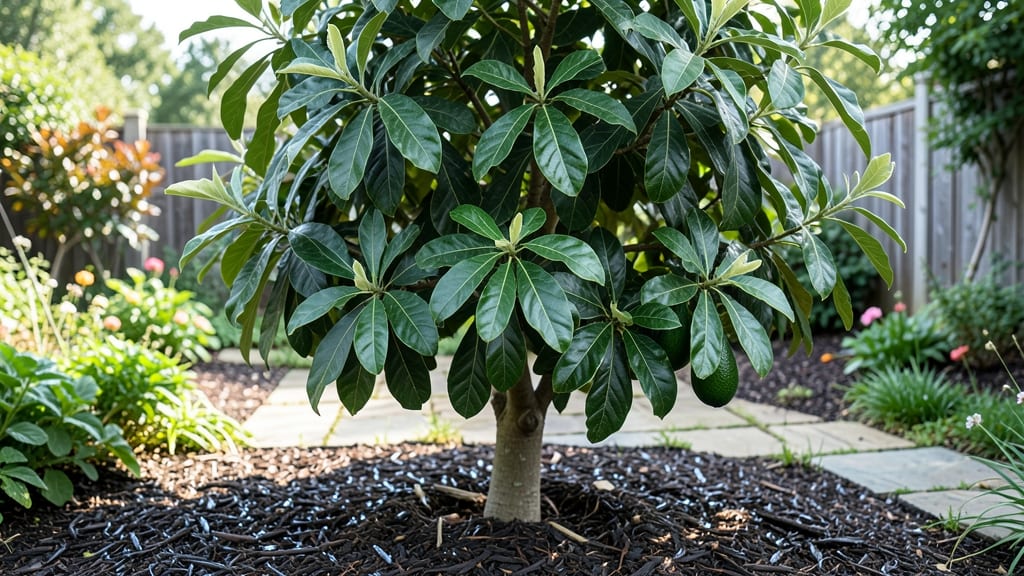
Mastering avocado tree leaf identification starts with their signature leathery texture and elliptical shape—longer than wide with smooth edges that feel almost waxy to the touch. 🌿 The deep green top and lighter underside are your first clues, but watch for subtle variations: yellowing edges or brown spots often signal overwatering or fungal issues, while tiny white dots could mean spider mites.
Healthy leaves should feel firm and vibrant, not limp or discolored.
Vein patterns tell another story—prominent, curved veins running parallel from the midrib act like nature’s support beams, keeping leaves sturdy. When these veins darken or pucker, it’s usually a sign of stress from drought or nutrient deficiencies.
I’ve seen avocado leaves curl dramatically in hot afternoons, only to flatten out once temperatures drop, so don’t panic if you spot temporary changes during heatwaves.
Common problems like leaf drop or yellowing often stem from overwatering or poor drainage, while blackened edges scream fungal infection or chemical burn.
The key is acting fast: prune affected leaves immediately to prevent spread, and adjust your care routine—avocado trees hate soggy roots but also need consistent moisture during dry spells.
For a quick health check, flip leaves over: healthy undersides are pale green, while stressed ones may show webbing (pests) or mold. Compare your tree’s leaves to reference photos, and you’ll spot issues before they become serious.
Most problems fix with better watering habits or targeted treatments—no need for drastic measures yet.
Understanding Leaf Stress Signals
Avocado tree leaves speak volumes about your tree’s health—if you know what to listen for. Leaf discoloration, unusual spots, or distorted shapes aren’t just random quirks; they’re red flags triggered by specific environmental or biological stressors.
Below, we break down the why behind the most common leaf identification clues, so you can diagnose issues like a pro and take action before they escalate.
Avocado trees (Persea americana) thrive in warm climates but can fry under intense sunlight or heatwaves.
When leaves are exposed to direct midday sun (especially in hot, dry regions), they develop: - Brown, crispy patches (like sunburn on skin) on leaf edges or surfaces. - Bleached or yellowed areas where chlorophyll breaks down under UV stress. - Premature leaf drop as the tree sacrifices damaged foliage to conserve energy.
Why it happens: Avocado leaves have a waxy cuticle to retain moisture, but prolonged heat disrupts photosynthesis. High temperatures (>95°F/35°C) cause oxidative damage in cells, leading to necrosis (dead tissue). Young, tender leaves are most vulnerable because their protective layers aren’t fully developed.
Actionable fix:
- Provide afternoon shade (use shade cloth or plant near taller trees).
- Mulch heavily (3–4 inches of organic mulch) to regulate soil temperature.
- Water deeply in the early morning to cool leaves via transpiration.
Avocado trees hate soggy roots.
While they need consistent moisture, waterlogged soil suffocates roots, cutting off oxygen and triggering: - Yellowing leaves (chlorosis) starting at the bottom of the tree. - Black or mushy spots on leaves (fungal infections like Phytophthora). - Wilting despite wet soil (root rot disrupts water uptake).
Why it happens: Avocados are native to well-draining slopes in Mexico and Central America. Poor drainage leads to:
- Anaerobic soil (no oxygen) → Roots drown, releasing ethylene gas, which signals leaves to yellow.
- Fungal/bacterial growth (e.g., Pythium or Erwinia) that clogs root vessels.
- Nutrient lockout—waterlogged soil ties up nitrogen, starving the tree.
Actionable fix:
- Test your soil (a DIY moisture meter costs $10 and saves your tree).
- Amend soil with perlite, sand, or coconut coir to improve drainage.
- Water only when the top 2–3 inches of soil are dry (stick your finger in!).
Tiny invaders like spider mites, avocado lace bugs, or scale insects drain sap, causing:
- White/yellow stippling (tiny dots) on leaves (mite feeding).
- Black sooty mold (a fungal hitchhiker on honeydew).
- Curled or cupped leaves (pests distort growth to protect eggs).
Why it happens: Pests target stressed trees first (drought, poor nutrition). Their saliva contains toxins that disrupt chlorophyll production, leading to:
- Chlorotic patterns (white/yellow patches where mites feed).
- Premature leaf drop as the tree diverts energy to repair damage.
- Stunted growth if infestations persist for months.
Actionable fix:
- Blast pests off with a strong stream of water (disrupts their life cycle).
- Use horticultural oil (neem or refined mineral oil) to smother eggs/larvae.
- Introduce predator insects (e.g., ladybugs for mites) or bird-friendly habitats.
Avocado leaves scream when they’re starving.
Common deficiencies include: | Symptom | Likely Deficiency | Why It Happens | |---------------------------|-----------------------|------------------------------------------------------------------------------------| | Yellow between veins | Iron (chlorosis) | High soil pH (>7.0) locks out iron; avocados need acidic soil (pH 6.0–6.5). | | Purple stems/leaves | Phosphorus | Poor root activity (cold soil, compacted roots) slows P uptake. | | Brown leaf tips | Potassium | Overwatering or high sodium in soil flushes out K. | | Small, pale leaves | Nitrogen | Young leaves can’t expand without N; often seen in fast-growing trees. |
Why it happens: Avocados are heavy feeders but struggle in alkaline or nutrient-poor soils. Deficiencies occur when:
- pH is off (iron/manganese become unavailable).
- Soil is depleted (no organic matter to replenish nutrients).
- Roots can’t access nutrients (compacted soil or root-bound trees).
Actionable fix:
- Test soil (home kits or lab analysis) and amend with:
- Iron chelate (for chlorosis).
- Bone meal (phosphorus) or kelp meal (potassium).
- Compost or worm castings to improve soil structure.
Diseases like root rot, anthracnose, or bacterial leaf spot leave distinctive marks:
- Dark, greasy spots with yellow halos (bacterial leaf spot).
- White powdery patches (powdery mildew).
- Leaf drop with black streaks (stem-end rot).
Why it happens: Fungi and bacteria thrive in wet, humid conditions. Avocado trees are susceptible because:
- Waxy leaves trap moisture, creating a perfect petri dish for pathogens.
- Wounds (from pruning or pests) act as entry points.
- Poor air circulation (dense foliage or overcrowding) spreads spores quickly.
Actionable fix:
- Prune for airflow (remove 1/3 of dense branches).
- Apply copper fungicide (prevents bacterial infections).
- Water at the base (avoid wetting leaves) and sanitize pruners with rubbing alcohol.
Avocado leaves are soft and delicate—they tear or bruise easily under:
- Strong winds → Ragged edges or split leaves.
- Hail → Dented, blackened spots (cell damage).
- Sudden temperature drops → Brown, crispy patches (cold shock).
Why it happens: Avocado leaves lack the tough, leathery texture of drought-adapted plants. Physical damage:
- Disrupts stomata (pores) → Water loss accelerates.
- Exposes tissue to pathogens (open wounds invite infections).
- Stunts photosynthesis if >30% of leaf area is lost.
Actionable fix:
- Stake young trees in windy areas.
- Use windbreaks (bamboo screens or native shrubs).
- Mulch heavily to insulate roots from temperature swings.
Pro Tip: 💡 Keep a leaf journal! Snap photos of symptoms, note the date, and track changes. Patterns (e.g., "yellowing after rain") help pinpoint the exact cause faster than guesswork. Most issues are preventable with the right care—your avocado tree’s leaves are just telling you what it needs!
Quick Fixes for Common Leaf Troubles
When your avocado tree’s leaves start telling a story you don’t like—whether it’s yellowing, curling, or spotted—don’t panic! Most issues have simple, actionable solutions. Below, we’ve mapped the most common leaf problems to their fixes, along with prevention tips to keep your tree thriving.
Think of this as your avocado tree’s first-aid kit, tailored for pruning enthusiasts.
Cause: Nitrogen deficiency, iron chlorosis, or soggy roots from overwatering. Fix It:
- Test the soil (pH should be 6.0–7.0 for avocados). If too alkaline, amend with sulfur or compost.
- Fertilize wisely: Use a balanced citrus/avocado fertilizer (high in nitrogen but with micronutrients like iron and zinc). Apply in early spring and summer, following package rates.
- Check drainage: If the soil stays wet for more than 24 hours, repot or improve drainage with perlite or sand.
Prevention Tips: ✨ Water deeply but infrequently—avocado trees hate "wet feet." Let the top 2–3 inches of soil dry out before watering again. 💡 Mulch around the base (2–3 inches of organic mulch) to retain moisture and regulate soil temp.
Cause: Spider mites, scale insects, or environmental stress (wind, sunburn, or sudden temperature swings). Fix It:
- Inspect leaves under a magnifying glass for tiny webs (mites) or sticky residue (scale). A strong spray of water can knock off mites temporarily.
- Neem oil solution (1 tsp neem oil + 1 quart water + drop of dish soap) applied every 5–7 days for 2–3 weeks will smother pests.
- Move the tree to a spot with dappled shade if sunburn is the culprit. Use shade cloth if full sun is unavoidable.
Prevention Tips: 🔥 Encourage beneficial insects like ladybugs by planting companion flowers (marigolds, basil). 🌡️ Avoid cold drafts—avocados thrive in USDA zones 9–11. If you’re in a cooler climate, grow in containers and bring indoors in winter.
Cause: Anthracnose, fungal leaf spot, or bacterial diseases (often from overhead watering). Fix It:
- Prune infected leaves immediately with sterilized shears (wipe with rubbing alcohol between cuts).
- Apply copper fungicide (like Bonide Copper Fungicide) every 2–3 weeks during rainy seasons.
- Improve air circulation by pruning dense foliage and spacing trees 15–20 feet apart.
Prevention Tips: 💪 Water at the base (not overhead) to keep leaves dry. ✨ Avoid wetting leaves when fertilizing—use a slow-release fertilizer to minimize runoff.
Cause: Sudden stress from repotting, root-bound conditions, or temperature changes. Fix It: - Repot carefully if roots are circling the container.
Choose a pot only 2–3 inches larger in diameter. - Trim 1/3 of the roots (if severely root-bound) and add fresh well-draining potting mix. - Keep the tree in a stable environment—avoid moving it for at least 2 weeks post-repotting.
Prevention Tips: 🎯 Repot in spring when the tree is actively growing. 🥗 Use a mix of 60% potting soil, 20% perlite, and 20% compost for optimal drainage.
The key to healthy avocado leaves? Consistency. Monitor your tree’s water, light, and nutrient needs like a pro gardener. If you catch issues early, most fixes are quick, cheap, and effective—no need for drastic measures!
Pro Tip: Keep a leaf journal! Snap photos of any changes and note when/where they occur. Patterns will help you predict and prevent future problems. 📸✨
Frequently asked questions
How can I tell if my avocado tree leaves are healthy?
Healthy avocado leaves should be deep green on top with a lighter underside, leathery to the touch, and elliptical in shape (longer than wide). They should feel firm, not limp or brittle. Look for smooth edges without brown spots or yellowing—these are your first signs of stress or disease.
What do the veins in avocado leaves look like?
Avocado leaves have prominent, curved veins that run parallel from the central midrib, creating a network that supports the leaf structure. These veins are usually light green and help distinguish them from other tropical leaves. If the veins darken or become raised, it could signal nutrient deficiencies or fungal issues.
Why are my avocado tree leaves turning yellow?
Yellowing leaves often indicate overwatering or nutrient deficiencies. Check the soil first—if it stays soggy for more than 24 hours, you're likely overwatering. Yellowing between veins suggests iron chlorosis (common in alkaline soils), while yellowing at the edges may mean potassium deficiency or salt buildup from poor drainage.
Can I identify pests just by looking at the leaves?
Yes! Look for these clues: Tiny white/yellow dots (spider mites), sticky residue (scale insects), or black sooty mold (fungus feeding on pest honeydew). Use a magnifying glass to spot tiny webs (mites) or small holes (lace bugs). Early detection makes treatment much easier.
How do I know if my avocado tree needs pruning?
Prune when you see dead, diseased, or crossing branches that block sunlight. Also watch for leaf clusters growing too densely—this reduces airflow and invites fungal problems. Always use sterilized shears and make cuts just above a leaf node to encourage new growth.