
Pruning
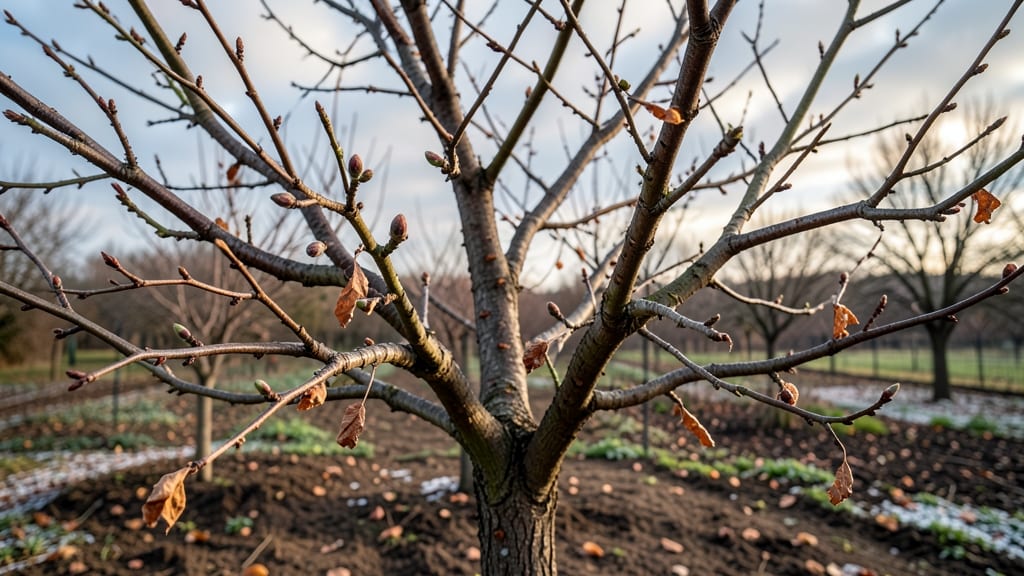
Winter’s the perfect time to prune apricot trees—when they’re dormant but still holding onto next year’s potential. ✂️ I’ve pruned mine every winter for five years, and the difference in fruit production and tree shape is night and day.
The key is working during cold snaps but before bud break, when the tree’s energy is resting but its structure is visible.
You’ll need sharp pruning shears, a ladder (for taller branches), and a clear day with temps above freezing—32°F or warmer is ideal. The goal is to open the canopy for sunlight, remove dead wood, and shape the tree into an open vase form.
Apricots thrive with good airflow, which reduces disease risk and makes fruit easier to harvest. Think of it like giving your tree a spa day before spring’s big push.
What you’ll end up with is a stronger, more productive tree by next summer—20-30% more fruit if you prune correctly. The branches will be balanced, the trunk will be less stressed, and you’ll spot any winter damage early.
Plus, pruning now means less stress on the tree during peak growing season. It’s the one winter task that pays off in spades.
Works for both young saplings and mature trees, though the approach differs slightly. In colder climates, wait until late winter to avoid frost damage, while milder zones can start earlier. Here’s how to do it right without overcomplicating things.
📚 In This Guide
- What you need
- Instructions
- Tips and common mistakes
- Wrapping up and next steps
What you need
- ● Pruning shears or secateurs: Bypass-style (sharp, clean cuts), 1 pair (for small branches up to ½ inch thick).
- ● Loppers: 1 pair (for branches ½ to 1½ inches thick).
- ● Pruning saw: 1 (for thicker branches 1½+ inches; choose a curved blade for apricot wood).
- ● Gloves: Heavy-duty, cut-resistant (e.g., mechanics’ gloves), 1 pair (protects from thorns and splinters!).
- ● Disinfectant (70% isopropyl alcohol or bleach solution): Small spray bottle (sanitizes tools between cuts to prevent disease).
- ○ Pruning sealant (optional but recommended): 1 small bottle (e.g., tree wound paint) for cuts larger than ½ inch.
- ● Ladder or step stool: 1 (if your tree is taller than 6–8 feet; prioritize stability!).
- ● Heavy-duty trash bags: 2–3 (for collecting pruned branches—recycle or compost later!).
- ● Sharpie or masking tape + marker: 1 each (to mark branches for removal if needed).
- ● Pole pruner: Extendable tool for high branches (save your back!).
- ● Safety glasses: Protect your eyes from debris.
- ● Work apron or tool belt: Keeps essentials handy while you work.
- ● String or twine: 1 small roll (temporarily tie branches out of the way).
- ● Notebook or app: Sketch your tree’s structure before/after pruning (great for tracking growth!).
Step-by-step guide to pruning your apricot tree in winter
Winter’s the perfect time to shape your apricot tree—here’s how to do it right.
✂️ Step 1: Assess the Tree’s Structure and Health
Start by examining your apricot tree while it’s dormant. Look for dead, diseased, or crossing branches—these are your first targets. I always begin by removing any branches that are completely bare, brown, or brittle to the touch. These won’t regrow and only take up energy from healthy growth.
Next, identify any branches that are rubbing against each other. These create wounds where pests and diseases can enter. Mark them with a piece of twine or tape so you don’t miss them during pruning. Healthy branches should have a smooth, slightly rough bark with small buds along their length.
✂️ Step 2: Remove Dead, Diseased, and Problematic Branches
Use sharp, clean pruning shears to cut out dead or diseased branches first. Make your cuts just outside the branch collar—the swollen area where the branch meets the trunk or another branch. This ensures the tree can seal the wound properly and prevents decay from spreading.
For crossing branches, remove the weaker of the two. You’ll know which one to keep by looking for thicker, more vigorous growth. Always cut back to a lateral branch or bud, never leaving a stub. This encourages new growth in the right direction and keeps the tree’s shape balanced.
✂️ Step 3: Thin Out the Canopy for Better Airflow
Apricot trees need good airflow to prevent fungal diseases like brown rot. Step back and look at the tree’s overall shape—aim to create an open center by removing branches that grow inward. Start from the outside and work your way in, cutting back any branches that are too dense.
Focus on removing about 20-25% of the tree’s total branches during this process. You don’t want to over-prune, as this can stress the tree and reduce fruit production. Watch for branches that are growing straight up—these are called "water sprouts" and should be removed entirely.
✂️ Step 4: Shape the Tree for Optimal Growth and Fruit Production
Now it’s time to refine the tree’s shape. Apricot trees benefit from an open-center or modified central leader form. Start by selecting 3-5 main scaffold branches—these should be evenly spaced around the trunk and angled outward. Remove any branches that grow too close together or compete for space.
For branches that are too long, cut them back to a lateral bud or branch. This encourages bushier growth and more fruit-bearing wood. Avoid cutting back to a stub—always leave a bud or branch to guide new growth. Step back frequently to check your progress and ensure the tree’s shape remains balanced.
✂️ Step 5: Clean Up and Protect the Tree
After pruning, gather all the cut branches and dispose of them properly. If any branches show signs of disease, bag them and throw them away to prevent spreading pathogens. Sterilize your pruning tools with rubbing alcohol or a bleach solution to avoid cross-contamination.
Apply a thin layer of tree wound dressing to larger cuts, if desired, but avoid sealing smaller wounds. The tree’s natural healing process works best when wounds are left open to dry and callus over. Finally, water the base of the tree deeply to help it recover from the pruning stress.
Tips & tricks for perfect apricot tree winter pruning
Winter pruning transforms your apricot tree into a healthier, fruit-bearing powerhouse—here’s how to avoid common mistakes.
Timing is Everything: Prune during the dormant season when the tree has no leaves, typically between late winter and early spring before buds start to swell. This timing minimizes stress on the tree and prevents disease entry points from remaining open during rainy seasons. I always aim for late February to early March in most climates, but check your local frost dates to be safe.
Tool Prep Matters: Sterilize your pruning shears between cuts with rubbing alcohol or a bleach solution (1 part bleach to 10 parts water). This prevents spreading diseases like brown rot from infected branches to healthy ones. I keep a small spray bottle of diluted bleach handy while working—just wipe between each major cut. Sharp tools also make cleaner cuts that heal faster, so take a minute to hone your blades before starting.
Visual Cues for Pruning: When shaping branches in Step 4, look for the "bud eye" where new growth will emerge. Make your cuts just above this bud at a slight angle—this encourages outward growth rather than inward. I like to visualize the tree’s future shape while pruning, stepping back every few cuts to check balance. Remember, you’re sculpting a framework for next year’s fruit production, not just trimming random branches.
Pro Tips for Apricot Tree In Winter
- Winter pruning transforms your apricot tree into a healthier, fruit-bearing powerhouse—here’s how to avoid common mistakes.
- Timing is Everything: Prune during the dormant season when the tree has no leaves, typically between late winter and early spring before buds start to swell.
- Tool Prep Matters: Sterilize your pruning shears between cuts with rubbing alcohol or a bleach solution (1 part bleach to 10 parts water).
Frequently asked questions
Got questions about keeping your apricot tree thriving during winter? You’re not alone! Here are answers to the most common concerns—so you can prune with confidence and set your tree up for a fruit-filled spring.
When is the best time to prune an apricot tree in winter?
The ideal window is late winter—just as the tree comes out of dormancy but before buds swell (typically February to early March in most climates). This timing minimizes stress and disease risk. Avoid pruning after heavy frost or during wet spells, as cold or damp conditions can harm fresh cuts.
Should I prune my apricot tree if it’s already bare or dead-looking?
Yes! Winter is perfect for assessing your tree’s health. Remove dead, diseased, or crossing branches first—these are easy to spot without leaves. If the tree looks completely dormant, focus on structural pruning (opening the canopy) to improve airflow and sunlight. Avoid over-pruning; apricot trees are resilient but benefit from gradual shaping.
What if my apricot tree has no leaves or signs of life in winter?
Don’t panic—apricot trees drop all leaves in winter and may look skeletal. Check for buds along branches (they’ll swell in late winter). If you see no buds and branches feel hollow when tapped, the tree may be dead. For uncertain cases, wait until early spring to confirm. If it’s truly dead, remove it to prevent disease spread.
Can I prune an apricot tree too much in winter?
Apricot trees are sensitive to heavy pruning, especially in winter. Limit cuts to no more than 25% of the canopy in one season. Over-pruning stresses the tree, reduces next year’s fruit yield, and can invite pests. Focus on selective thinning—remove only the weakest or most problematic branches.
What if I missed winter pruning? Can I still shape my apricot tree?
Yes, but timing matters. Prune in early spring (before buds break) if you missed winter, but avoid heavy cuts. Summer pruning is possible for minor adjustments (like removing water sprouts), but it’s less ideal—it can encourage disease and reduce winter hardiness. Prioritize winter pruning for long-term tree health!
Wrapping up and next steps
Winter is the perfect time to give your apricot tree the care it needs to thrive—and with the right pruning techniques, you’re setting it up for a bountiful harvest next season! 🌱 By removing dead wood, opening the canopy for sunlight, and shaping for airflow, you’re not just maintaining health; you’re investing in its future.
Remember, patience and precision pay off, so take your time and enjoy the process.
Ready to roll up your sleeves? Start by gathering your tools and scheduling your pruning session on a calm, dry day. Then, put those new skills to work—your apricot tree (and future fruit!) will thank you. 🌿 Ready to prune? Check out our step-by-step guide!