
Plants
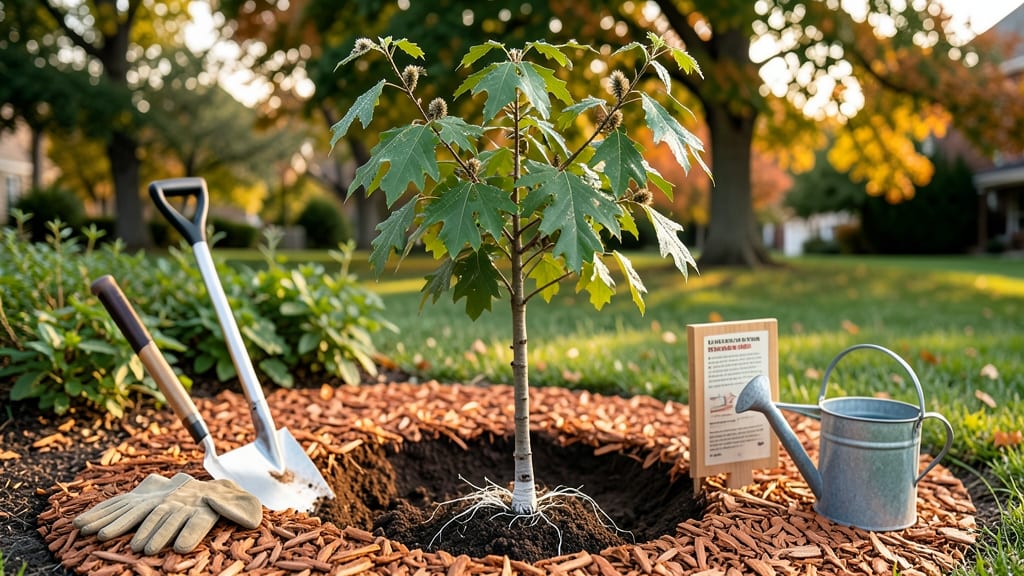
The best time to plant a tree in Iowa is during early spring (April) or fall (September-October) when soil temperatures are ideal for root growth and frost risks are low.
Planting a tree in Iowa isn’t just about picking a season—it’s about timing root growth with Iowa’s unpredictable climate zones to ensure long-term survival and rapid establishment.
Spring planting gives young roots a full growing season before winter, while fall planting lets them establish before the ground freezes. Both windows avoid the extreme heat of summer and the frost risks of late spring or early fall.
Below, I’ll break down the pros of each season, which tree species thrive in Iowa’s 5a-5b zones, and how to prepare your soil for maximum success—so your tree grows strong and healthy for decades.
Iowa’s ideal tree planting windows by climate zone: when to plant for maximum root development
Iowa’s climate—marked by hot summers, freezing winters, and variable frost dates—demands precision when planting trees. The best time to plant depends on your USDA hardiness zone (4a-5b) and whether you prefer spring or fall planting.
In my experience, fall planting often gives trees a head start, but spring works too if timed correctly.
Northern Iowa (zone 4a) faces earlier frost risks, while southern Iowa (zone 5b) enjoys a slightly longer growing season. The key is planting when soil temperatures stay above 40°F (4°C) but before the ground freezes or extreme heat arrives.
This balance ensures root establishment before dormancy or stress.
Soil temperature is your best guide—use a soil thermometer to confirm it’s consistently above 40°F. In Iowa, this typically means late April to early May for spring or mid-September to early October for fall. Planting too early in spring risks frost damage, while late fall planting leaves roots vulnerable to winter desiccation.
| Zone | Ideal Planting Window | Soil Temp Threshold | Frost Risk | Best Tree Species |
|---|---|---|---|---|
| 4a (North) | Late April–May (spring) or Sept 15–Oct 5 (fall) | 45°F+ (7°C+) | High (last frost: May 10) | Bur Oak, Colorado Blue Spruce |
| 4b (Central) | Mid-April–May (spring) or Sept 20–Oct 10 (fall) | 42°F+ (6°C+) | Moderate (last frost: April 25) | Sugar Maple, Hackberry |
| 5a (South-Central) | Early April–May (spring) or Sept 25–Nov 1 (fall) | 40°F+ (4°C+) | Low (last frost: April 15) | Redbud, Eastern Red Cedar |
| 5b (Southwest) | Late March–April (spring) or Oct 1–Nov 15 (fall) | 38°F+ (3°C+) | Minimal (last frost: March 30) | Pecan, Southern Magnolia |
In zone 4a, where frost lingers longer, I recommend focusing on fall planting (September–October) to give roots time to establish before winter. For zone 5b, early spring (March–April) works well, but avoid planting after May 15 to prevent summer drought stress.
Always check local frost data—your county extension office is a great resource.
Container-grown trees offer more flexibility, as they can be planted anytime the ground isn’t frozen. However, bare-root trees must go in during their dormant season—late fall or early spring.
If you’re in doubt, err on the side of fall planting; trees planted in fall have 20–30% higher survival rates in Iowa’s climate.
Soil preparation is critical. Amend your planting hole with compost or native soil mix to improve drainage, especially in Iowa’s heavy clay soils. Mulch heavily (3–4 inches) to retain moisture and regulate soil temperature. Avoid mulching too close to the trunk—keep it 3 inches away to prevent rot.
Watering is non-negotiable. Newly planted trees need 1–2 inches of water weekly for the first year. Use a soaker hose to deliver water slowly at the root zone.
In summer, I increase watering to twice weekly unless we’ve had recent rain. Deep watering encourages strong root growth downward, where it matters most.
Watch for late-season heat waves in spring or early frosts in fall—they can stress young trees. If a frost warning appears after planting, protect your tree with burlap wraps or a lightweight frost cloth. In my garden, I’ve seen newly planted oaks survive harsh winters with this extra care.
Finally, choose tree species suited to your zone. Oaks and maples thrive in Iowa’s climate but need consistent moisture. For drier sites, consider
Spring vs. fall planting in Iowa: pros, cons, and species-specific recommendations
Choosing between spring and fall planting in Iowa depends on your tree species and local climate patterns. Spring planting (April-May) gives young trees a full growing season to establish roots before winter, while fall planting (October-November) allows roots to grow in cool soil without competing with summer heat.
Both seasons have unique advantages for Iowa gardeners.
Iowa’s USDA zones 5a-5b mean frost can arrive early or late, making timing critical. Fall planting is often preferred for bare-root trees like oaks and maples, as cooler temperatures reduce transplant shock. However, spring planting works better for container-grown trees or species like fruit trees that need early establishment.
Spring Planting (April-May) in Iowa
Pros:
- Longer growing season for root establishment
- Easier to monitor watering needs
- Better for container-grown trees
Cons:
- Risk of drought stress in summer
- Late spring frosts can damage new growth
- Higher competition from weeds
Fall Planting (October-November) in Iowa
Pros:
- Cooler soil reduces transplant shock
- Roots grow without summer heat stress
- Less competition from weeds
Cons:
- Early frost can damage new roots
- Limited time for root growth before winter
- Harder to monitor in cold weather
For oak trees, fall planting is ideal—they establish roots quickly in cool soil and thrive in Iowa’s clay-heavy soils. Maples, on the other hand, tolerate both seasons but prefer fall planting to avoid summer drought stress. Fruit trees like apples and cherries often do better in spring to ensure early flowering and fruiting.
Soil preparation differs by season. In spring, focus on amending clay soils with compost and ensuring proper drainage. In fall, add organic matter like leaf mold to improve moisture retention for winter. Always test your soil’s pH (ideal: 6.0-7.0) before planting, as Iowa’s alkaline soils can affect nutrient uptake.
My top recommendation? Plant bare-root trees in fall (September-October) for most species, but opt for container-grown trees in spring (April) if you’re unsure. Mulch heavily after planting—3-4 inches of wood chips—to retain moisture and regulate soil temperature year-round.
Remember: Iowa’s first frost often arrives by mid-October, so aim to plant at least 6-8 weeks before expected frost dates. For container-grown trees, spring planting gives you flexibility until late May, but don’t wait too long—summer heat can stress young roots.