
Trees
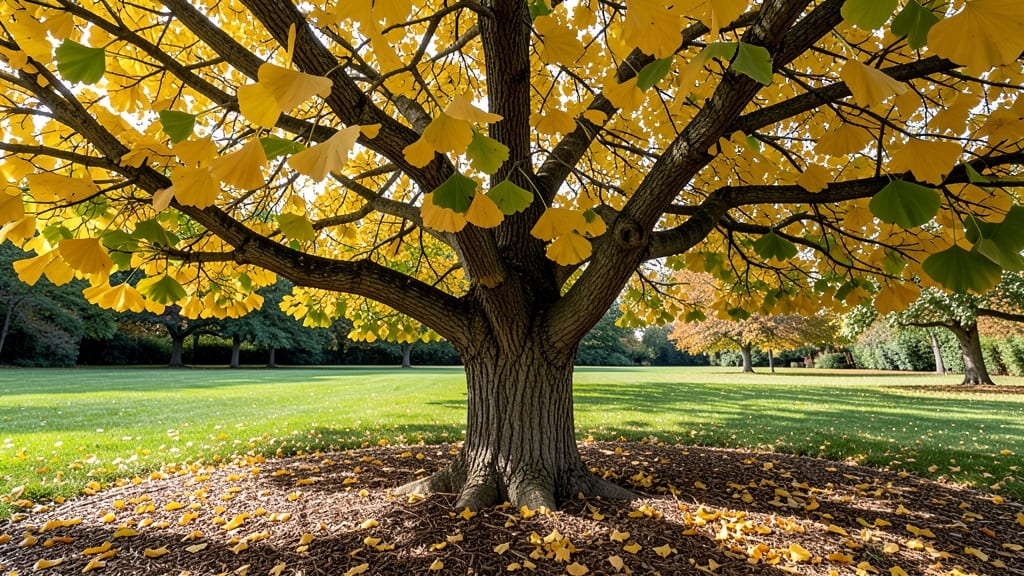
What tree has yellow leaves in the fall isn’t just a seasonal curiosity—it’s a showstopper that transforms your yard into a golden masterpiece. 🌿 I’ve spent years tracking which trees deliver that fiery autumn glow, and the Ginkgo, Japanese Maple, and Honey Locust top the list for their vibrant, long-lasting color.
These aren’t just pretty faces; they’re tough, adaptable trees that thrive in different climates and soil types.
What makes these trees special? It’s all about the science behind the color. Sugar maples and tulip poplars pack more carotenoids (the pigments that create yellow), while others like serviceberries hold onto their leaves longer, extending the display.
The right tree can turn your backyard into a seasonal highlight—without requiring high-maintenance care. Most just need well-draining soil and moderate sunlight to put on their best show.
You’ll love how these trees handle challenges too. Ginkgos resist pests, Japanese Maples adapt to containers, and Honey Locusts tolerate drought once established. Prune in late winter to encourage dense growth, and watch as your yard becomes the envy of the neighborhood.
The best part? These trees work in zones 4-8, so no matter where you live, you can have that golden glow.
Ready to pick the perfect tree for your space? We’ll dive into the top 10 varieties, their care needs, and how to spot them before they even leaf out. No green thumb required—just a little sunlight and patience. Let’s get started!
The science behind autumn’s golden display
The vibrant yellow leaves of fall aren’t just a picturesque backdrop—they’re a biological masterpiece triggered by nature’s internal clock. As temperatures dip and daylight shortens, trees undergo a stunning transformation, swapping out summer’s green for fiery hues.
But why does this happen? Let’s break down the real chemistry and cues behind the seasonal shift.
Cooler weather is the primary switch that flips trees into fall mode. When nights grow chilly (typically below 50°F or 10°C), trees start producing a hormone called abscisic acid, which signals the end of the growing season. This hormone:
- Slows sap flow to leaves, reducing chlorophyll production (the green pigment that dominates summer foliage).
- Activates enzymes that break down chlorophyll, revealing hidden pigments like carotenoids (yellow/orange) and anthocyanins (red/purple).
- Shortens the leaf’s lifespan, preparing it for detachment once nutrients are reabsorbed into the tree’s roots.
Pro tip: 🌡️💡 Trees in regions with gradual temperature drops (like the Northeast U.S.) often display brighter yellows longer than those in areas with sudden cold snaps. Think of it as nature’s way of stretching out the show!
While cold weather kicks off the process, daylight duration is the real director of the autumn leaf timeline. Trees are highly sensitive to photoperiod—the length of daylight they receive. As days shorten (especially below 12–14 hours of light), trees:
Fun fact: 🌅 Trees in higher latitudes (like Canada or the northern U.S.) change colors earlier than those near the equator because they experience more dramatic daylight shifts. Not all yellow leaves are created equal—and that’s because genetics determine the pigment palette. Here’s how tree DNA influences the show: Key takeaway: 🎨 Trees with high carotenoid levels (like aspens) will dominate with yellows, while those with anthocyanin production (like sugar maples) might blend yellows with reds. It’s all about the genetic recipe! Next up: How to Spot These Trees in Your Backyard—because knowing the science makes the hunt even more rewarding!
Pigment Type
Color Produced
Common Tree Examples
Why It Happens
Carotenoids
Yellow, orange
Birch, Aspen, Honey Locust
Always present in leaves but masked by chlorophyll in summer. When chlorophyll fades, these pigments shine through.
Xanthophylls (a carotenoid subtype)
Golden yellow
Tulip Poplar, Goldenrain Tree
Produced in high sugar conditions and break down slowly, prolonging the yellow display.
Anthocyanins
Red, purple (often mixed with yellow)
Maple, Sumac, Smoke Tree
Formed as a response to sunlight and cold. Acts like sunscreen for leaves, protecting them from winter damage.
Revitalizing Your Fall Foliage
If you’re noticing unexpected yellow leaves on your trees before autumn’s peak—or if they’re dropping too early—don’t worry! Most issues are fixable with simple adjustments. Below, we’ll tackle common causes of premature or unseasonal yellowing and provide practical, step-by-step solutions to restore your trees’ natural autumn splendor.
🔥 Overwatering or poor drainage
If your tree’s leaves turn yellow and feel soggy, root rot or waterlogging may be the culprit. Too much moisture suffocates roots, preventing them from absorbing nutrients—leading to early leaf drop.
How to Fix It:- 🔪 Check the soil: Dig 2–3 inches down near the tree’s base. If it’s damp or smells like rot, you’re overwatering.
- 👨🍳 Adjust watering: Water deeply but only when the top 2 inches of soil are dry. Most trees prefer 1–1.5 inches per week (including rain).
- ⏰ Improve drainage: Amend heavy clay soil with compost or sand to help water drain faster. For container trees, ensure pots have drainage holes.
Mulch around the base (but keep it 3–4 inches away from the trunk) to retain moisture without smothering roots. Use organic mulch like wood chips or shredded bark.
🍳 Nutrient Deficiencies: Lack of Nitrogen or Iron
Bright yellow leaves—especially on new growth—often mean your tree is hungry. Nitrogen deficiency causes pale, yellowing leaves, while iron deficiency (chlorosis) turns leaves yellow with green veins.
How to Fix It:| Deficiency | Symptoms | Solution |
|---|---|---|
| Nitrogen | Overall yellowing, stunted growth | 🌱 Apply a balanced fertilizer (10-10-10) in early spring or fall. For organic options, use composted manure or fish emulsion. |
| Iron (Chlorosis) | Yellow leaves with green veins (common in alkaline soil) | 💧 Use an iron chelate fertilizer or apply sulfur to lower soil pH. For quick results, spray leaves with a foliar iron supplement. |
Test your soil every 2–3 years (kits from garden centers work). If pH is above 7.0, amend with peat moss or sulfur to acidify the soil slightly for iron uptake.
🌡️ Extreme Heat or Drought Stress
Scorching summer heat or prolonged drought forces trees to shed leaves early to conserve water. Yellowing often appears on leaf edges or tips before browning.
How to Fix It:- 💦 Deep watering: Water slowly and deeply (1–2 inches per week) to encourage deep root growth. Use a soaker hose to avoid runoff.
- 🌳 Shade protection: If possible, provide temporary shade with lightweight fabric or a shade cloth during heatwaves.
- ✨ Mulch heavily: Spread 3–4 inches of mulch around the base (avoid the trunk) to lock in moisture and cool roots.
Plant drought-tolerant trees like Ginkgo, Japanese Maple, or Serviceberry if your climate has hot, dry spells. These varieties handle stress better in autumn.
🔪 Pest or Disease Damage
Yellowing leaves can also signal insect infestations (e.g., spider mites, aphids) or fungal diseases like anthracnose. Look for holes, webs, or black spots on leaves.
How to Fix It:- 🔍 Inspect leaves: Flip leaves to check for pests, eggs, or unusual spots. Common culprits:
- 🕷️ Spider mites: Tiny webs on undersides → Spray with neem oil.
- 🐜 Aphids: Sticky residue (honeydew) → Blast off with water or use insecticidal soap.
- 🍄 Fungal diseases: Black/brown spots → Prune infected branches and apply copper fungicide.
- 🌿 Boost tree health: Healthy trees resist pests better! Ensure proper watering, sunlight, and fertilization.
Encourage beneficial insects like ladybugs by planting marigolds or dill nearby. They’ll prey on pests naturally!
🎯 Root or Soil Compaction
If the soil around your tree is hard or compacted, roots can’t access oxygen or water, leading to yellowing and poor growth.
How to Fix It:- 🔨 Aerate the soil: Use a garden fork or aerator to poke holes around the tree’s drip line (the edge of its canopy).
- 🌱 Add organic matter: Mix in compost or coconut coir to loosen soil and improve structure.
- 🌧️ Mulch properly: A 3-inch layer of mulch helps prevent compaction over time.
Avoid walking or driving over the tree’s root zone. Compacted soil is a slow killer for roots!
With these fixes, your trees should bounce back with vibrant fall colors—just in time for the season! For persistent issues, consider consulting a local arborist to diagnose deeper problems. 🍂✨
Frequently asked questions
Why do some trees turn bright yellow while others turn red or orange in autumn?
The color depends on the tree’s pigment mix. Yellow comes from carotenoids (like in aspens or birches), while reds/purples come from anthocyanins (like in maples). Trees with high carotenoid levels show pure yellows, while those producing anthocyanins often blend colors. Think of it as nature’s palette!
Can I plant a yellow-leafed tree in a small urban yard?
Dwarf varieties like Japanese Maples or Dwarf Honey Locusts thrive in small spaces. They mature at 6–10 feet tall and work well in containers or tight gardens. Just ensure they get 4–6 hours of sunlight daily for best color.
Do yellow-leafed trees need special soil?
Most prefer well-draining, slightly acidic soil (pH 6.0–7.0). For example, Ginkgos tolerate clay, while Japanese Maples need richer, loamy soil. A 2-inch layer of mulch helps maintain moisture and nutrients—just avoid piling it against the trunk.
Why are my tree’s leaves turning yellow early—is it dying?
Early yellowing often signals stress, not death. Check for overwatering, nutrient deficiencies, or pests. Most trees recover if you adjust care: water deeply but less often, fertilize with a balanced mix (10-10-10), and inspect for bugs. If the trunk is soft or leaves drop suddenly, consult an arborist.
Which yellow-leafed tree is best for wildlife?
The Serviceberry is a top pick! Its berries feed birds, and its branches provide shelter. Other great options: Honey Locust (hosts caterpillars) and Ginkgo (resistant to pests). Plant near bird feeders or native shrubs to create a wildlife haven.