
Blooming
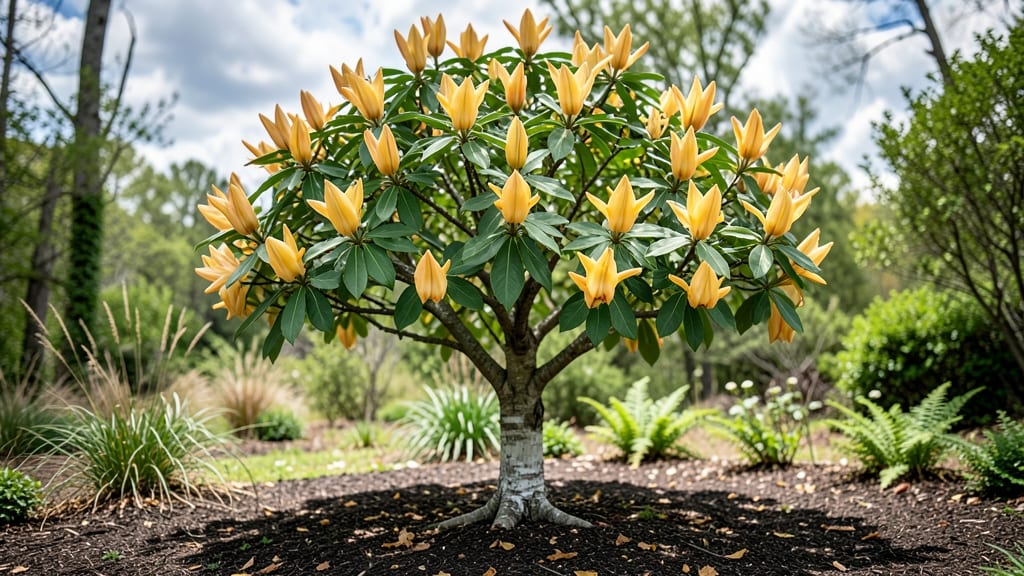
The tulip tree bloom time in late spring, typically between April and May, is when its iconic yellow-green flowers light up the canopy like a 🌳 beacon.
If you’ve ever wondered why your tulip tree flowers seem to appear at different times each year—or how to predict its bloom cycle—you’re not alone.
This majestic tree’s bloom time shifts based on your USDA zone, with Southern gardens often seeing flowers as early as March, while Northern regions may wait until June.
In this guide, I’ll break down the exact bloom windows by region, share the secrets behind early or late blooms, and give you the care tips to coax the most stunning flowers from your tree.
Tulip tree bloom time by USDA climate zones: exact months revealed
The tulip tree (Liriodendron tulipifera) is one of spring’s most stunning sights, but its bloom time varies dramatically depending on your USDA climate zone. In warmer southern states, you might see those iconic tulip-shaped flowers as early as February, while northern gardeners may wait until late May.
Understanding these patterns helps you anticipate the peak bloom window and plan your garden accordingly.
Tulip trees are sensitive to temperature cues, particularly the last frost date in your area.
They typically bloom after the risk of frost has passed, but regional differences create a 3-4 month spread in bloom timing across the U.S. Let’s break down exactly when to expect those vibrant flowers in your specific zone, including early bloomers and late-season surprises.
🌱 Key Insight: Tulip trees in USDA zones 8-9 often bloom 4-6 weeks earlier than those in zones 4-6, thanks to milder winters and earlier warming trends.
In USDA zone 4, tulip trees often wait until late May or early June to bloom, as they need consistent warmth to trigger flowering. Gardeners in Minnesota or upstate New York should mark their calendars for this peak bloom window, which typically lasts 2-3 weeks.
The flowers may appear even later if a late frost damages early buds.
Moving south to zone 5, the bloom time shifts dramatically to mid-May through early June. Areas near the Great Lakes may experience slightly later blooms due to cooler lake breezes, while inland regions often see flowers emerge 1-2 weeks earlier.
This zone offers the most variable timing, so local observations are key.
Gardeners in zone 6 enjoy one of the most reliable bloom periods, with flowers typically appearing in early to mid-May. The Mid-Atlantic region, including states like Pennsylvania and Virginia, often sees tulip trees bloom just as dogwoods and magnolias are finishing their displays.
Urban areas may experience slightly delayed blooms due to heat island effects.
For those in zone 7, the show starts as early as late April, with peak blooms in early May. This zone includes the Southeastern U.S., where coastal microclimates can push bloom times even earlier.
For example, Savannah, GA, often sees tulip trees flowering by mid-April, while inland areas like Atlanta may wait until early May.
The Deep South (zones 8-9) offers the earliest and most prolonged bloom periods. In zone 8, flowers may appear as early as February, with peak blooms in March.
Southern Texas and Florida (zone 9) often see tulip trees flowering in winter, sometimes even reblooming lightly in fall if conditions are ideal. These regions also benefit from longer bloom durations, with flowers lasting up to 6
How climate and microclimates affect tulip tree flowering timing
The tulip tree bloom time isn't set in stone—it shifts dramatically based on your local climate.
While most trees in USDA Zone 6 bloom in late March to April, those in Zone 9 may flower as early as February, while northern Zone 4 trees might wait until May. These variations happen because tulip trees rely on specific temperature cues to trigger flowering.
Even within the same region, microclimates create wild differences. A tulip tree in a coastal city like San Francisco might bloom 2-3 weeks earlier than one inland due to milder winters.
Meanwhile, urban heat islands can push blooms 10 days earlier in cities like Chicago compared to rural areas just 20 miles away.
- 🌡️ Last Frost Date: Trees in Zone 5 wait for consistent 50°F+ nights before blooming, often April 15+. In Zone 8, this happens by March 1.
- 🌊 Coastal vs. Inland: Coastal areas have milder winters and earlier blooms (e.g., 2 weeks sooner in Seattle vs. Spokane).
- 🏙️ Urban Heat Effect: Cities like Phoenix (Zone 9) see blooms by January-February, while nearby desert towns may delay until March.
- ⛰️ Elevation Changes: A 1,000-foot elevation gain can delay blooms by 7-10 days due to cooler temps (e.g., Asheville vs. Raleigh).
- ☁️ Spring Rainfall: Wet springs (e.g., Pacific Northwest) push blooms later (May), while dry springs (e.g., Texas) trigger earlier blooms (March).
Temperature fluctuations play a critical role. Tulip trees require a period of winter chilling (300-600 hours below 45°F) to set flower buds. If winters are too mild (e.g., Zone 10), trees may skip flowering entirely or produce fewer blooms.
Conversely, harsh winters in Zone 4 can delay blooms until late May.
Urban settings add another layer of complexity. Concrete and pavement absorb heat, creating microclimates 5-10°F warmer than rural areas. This can advance bloom times by 2-3 weeks in cities like Atlanta or Denver. Meanwhile, shady microclimates under tall buildings may push blooms later due to reduced sunlight.
For gardeners, the best way to predict bloom time is to monitor local weather patterns. Use a garden journal to track when buds appear and when flowers open over 3-5 years. This helps account for year-to-year variations caused by El Niño, droughts, or early heatwaves.
If your tulip tree isn’t blooming on schedule, check for stress signs like yellowing leaves or poor soil drainage.
Adjust your landscaping plans accordingly. If you rely on tulip tree blooms for spring color, plant earlier-blooming trees (like redbud) in cooler zones to fill gaps.
In warmer climates, consider late-blooming varieties or shade-tolerant plants to extend your seasonal display. With a little observation, you’ll master your tulip tree’s unique bloom rhythm.