
Lawn
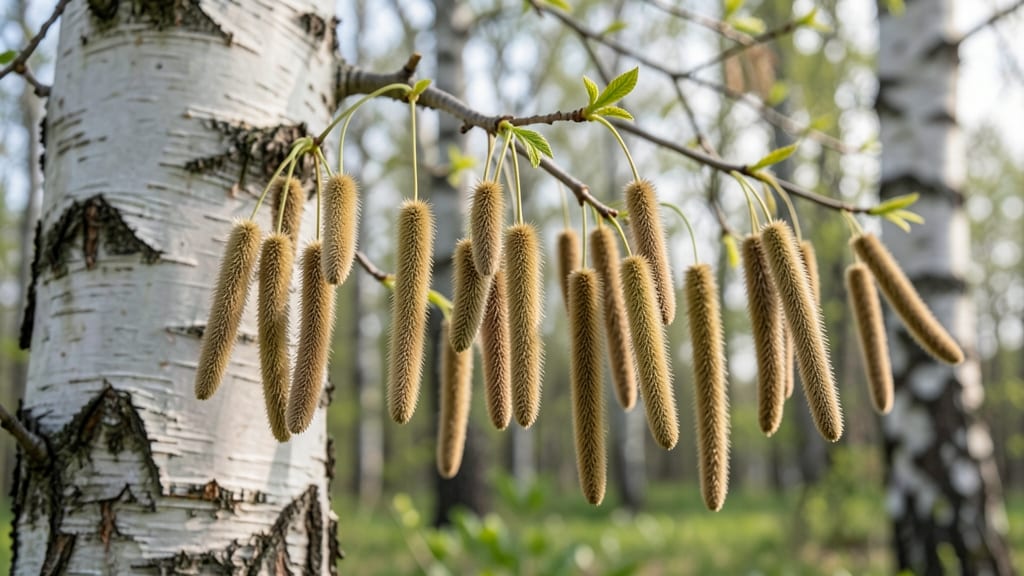
Struggling to identify that mysterious seed pod in your backyard? These 10 distinctive tree seed pods—each with unique shapes, textures, and growth patterns—will help you solve the puzzle fast and accurately, even without leaves.
Maple Helicoid Seed Pods
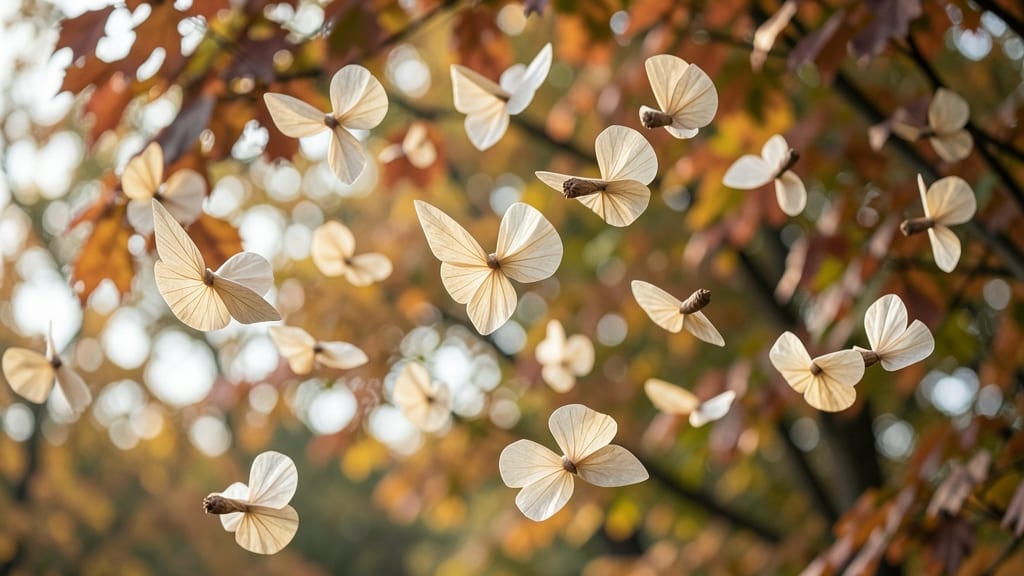
There’s nothing quite like the whimsical dance of maple helicoid seed pods—those iconic "helicopters" that spiral through the air like tiny paper planes. These winged samaras aren’t just a fall spectacle; they’re a dead giveaway for identifying maple trees in your yard or neighborhood.
Each pod consists of two papery wings connected to a single seed, designed to catch the wind and disperse up to 100 feet from the parent tree. The wings create a spiral shape that twists as it falls, making them impossible to mistake for other seed pods. Look for them clustered in late summer to early fall, especially beneath sugar maples, silver maples, or boxelder trees.
Urban gardeners and nature lovers will appreciate how these pods double as natural decorations—dry them in bundles for autumn centerpieces or scatter them in garden beds for a playful touch. Plus, they’re a great way to propagate new maple trees if you’re patient enough to wait for germination. 🌿
Acorn Capsules from Oak Trees
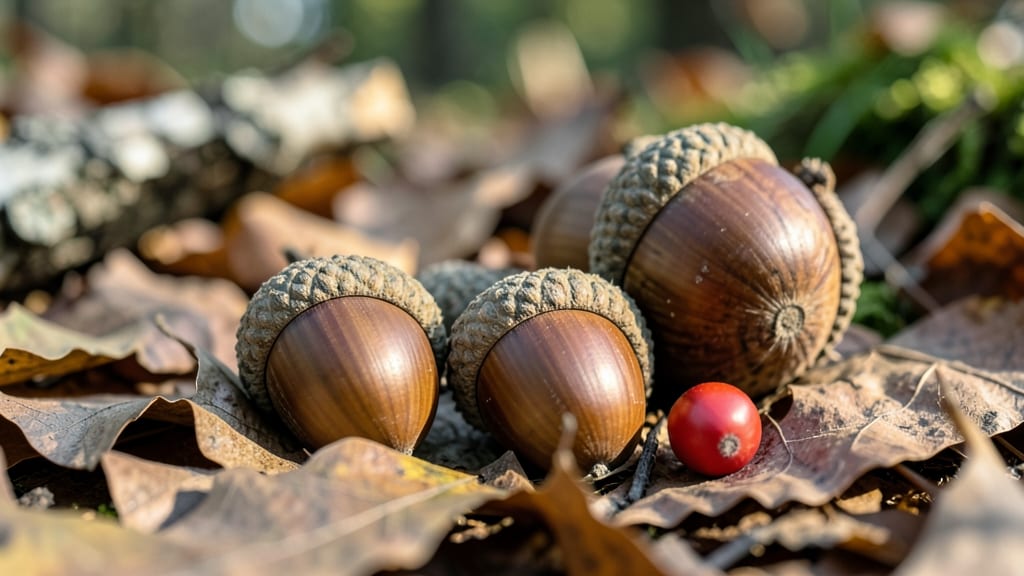
If you’ve ever spotted a nut with a woody cap on the forest floor, you’ve likely found an acorn—the most iconic seed pod in North America. These pods come in more varieties than you’d expect, from the tiny, bright-red acorns of pin oaks to the massive, deep-brown acorns of white oaks, each offering clues about the tree’s identity.
Oak acorns are essential for forest identification because their size, shape, and cap texture vary dramatically by species. For example, white oak acorns have a rounded cap and take two years to mature, while red oak acorns have a pointed cap and mature in one season. Collecting and comparing acorns can help you distinguish between oak species, even in winter when leaves are absent.
Nature enthusiasts and foresters rely on acorns for wildlife tracking—squirrels and birds depend on them—and gardeners can use them to propagate new oak trees. Just remember: white oak acorns are more viable for planting than red oak acorns, which often contain bitter tannins. 🌱
Dandelion Seed Pods (Puffballs)
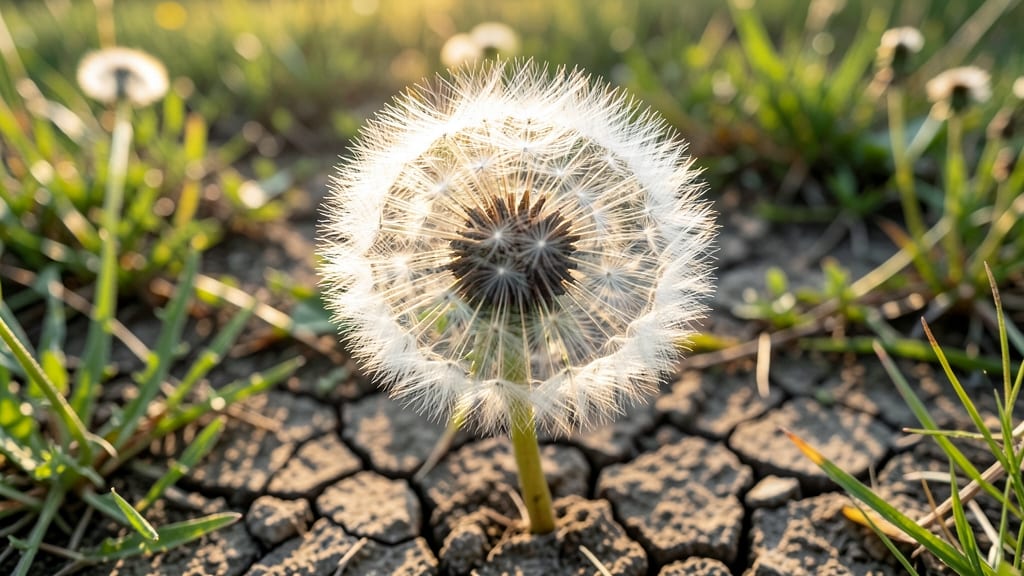
Those iconic dandelion puffballs might seem harmless, but they’re actually a gardener’s secret weapon for spotting invasive plants in disturbed areas. Unlike tree seed pods, these fluffy white clusters belong to non-native weeds that can crowd out native species if left unchecked.
Look for the spherical, seed-filled centers that release thousands of tiny seeds on the wind—each one capable of sprouting in cracks of pavement or bare soil. This makes them a telltale sign of ecological disruption, especially in urban or recently cleared areas where native trees struggle to establish. Their presence often means you’re dealing with a highly adaptable plant that outcompetes slower-growing species.
For urban gardeners and restoration volunteers, learning to spot these pods helps prioritize removal efforts before they take over. 🌱
Honey Locust Seed Pods
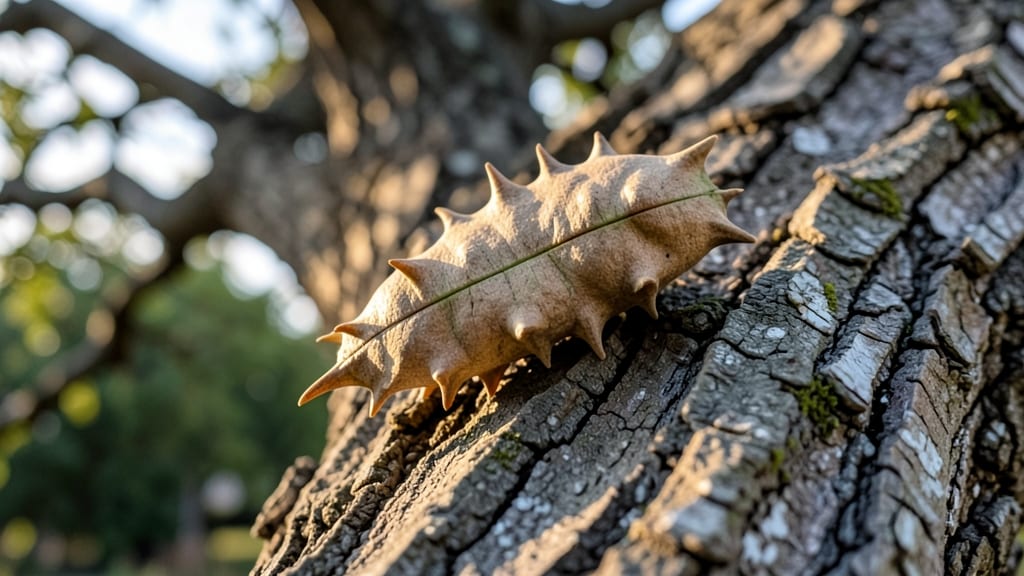
If you’ve ever spotted a spiky, flattened pod clinging to a tree trunk and wondered what it could be, you’re likely looking at a honey locust seed pod. These distinctive, alligator-like pods (about 1–2 inches long) are a dead giveaway for identifying this fast-growing, drought-tolerant tree commonly planted in urban landscapes.
The pods grow in clusters along the tree’s branches and develop a thorny, leathery texture as they mature. Unlike other seed pods, they don’t release seeds easily—they often stay attached until winter, when they eventually drop. This tree thrives in full sun and poor soil, making it a favorite for city planners and homeowners seeking low-maintenance shade.
Urban gardeners and tree enthusiasts will love these pods as a quick ID tool for honey locust trees, which also boast compound leaves and a rounded canopy. Spot one, and you’ll know you’re near a resilient, fast-growing tree perfect for streets and parks. 🌱
Ash Tree Samaras with Opposite Wings
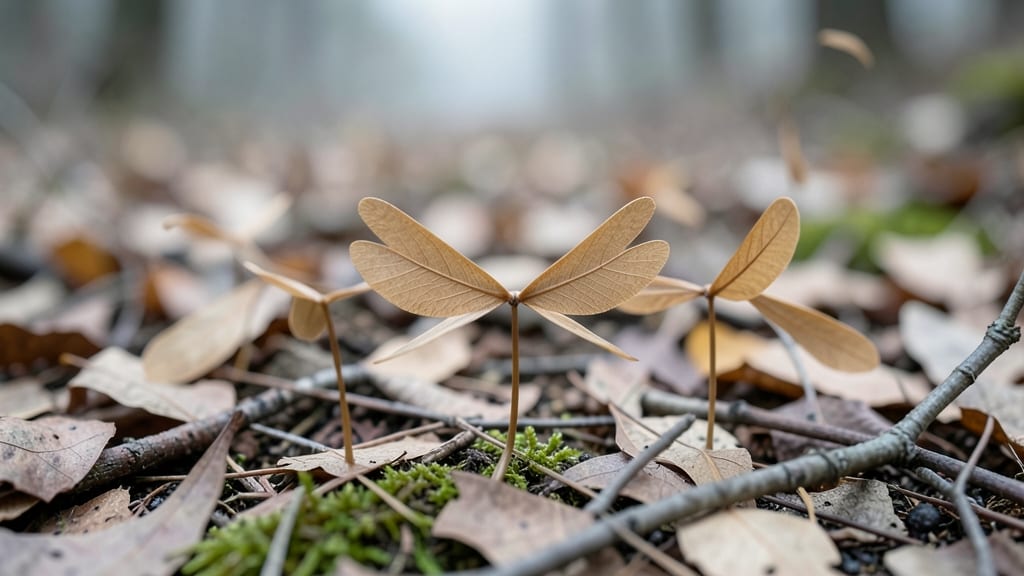
If you’ve ever spotted winged seeds but weren’t sure whether they’re from a maple or an ash tree, look closely at the wings—they’re the key! Unlike maple samaras, which twist like helicopters, ash samaras have wings that grow directly opposite each other, creating a straight, symmetrical shape.
This unique feature makes them easier to spot in mixed forests, especially in late summer or early fall when they’re most abundant. Ash samaras are typically golden-brown and slightly larger than maple seeds, with a more rigid structure. Collecting them can help you identify nearby ash trees, which are prized for their strong wood and adaptability to urban environments.
For nature enthusiasts or gardeners, recognizing ash samaras can also help you spot early signs of emerald ash borer damage—a critical pest affecting ash trees. Keep an eye out for these distinctive wings to unlock the secrets of your local trees! 🌿
Sweetgum Spiky Seed Balls
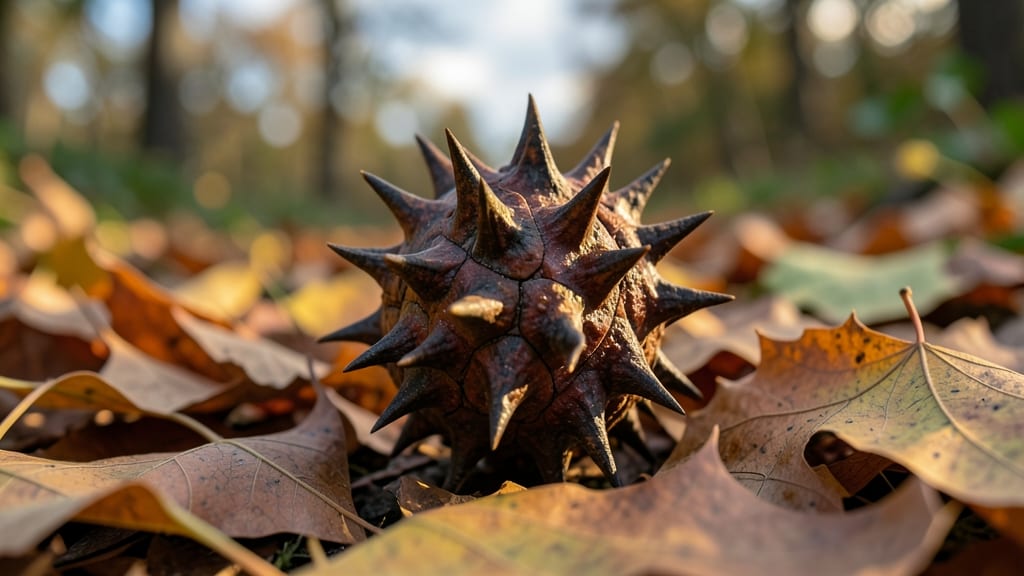
If you’ve ever stepped on a spiky golf-ball-sized pod in the fall, you’ve met the sweetgum tree’s signature seed ball. These sharp, star-shaped burrs are impossible to ignore—and they’re your secret weapon for identifying this iconic shade tree with its distinctive star-shaped leaves.
Sweetgum pods (also called "gumballs") form in late summer and turn from green to brown as they ripen. Each pod contains 1-2 hard, shiny seeds that can be used for propagation, though they require stratification (cold treatment) to germinate. The tree itself thrives in full sun to partial shade and tolerates urban pollution, making it a favorite for parks and large landscapes.
These pods are especially useful for urban gardeners and forest ID enthusiasts—just watch out for the burrs when walking under the tree! 🌟
Elm Seed Pods with Papery Wings
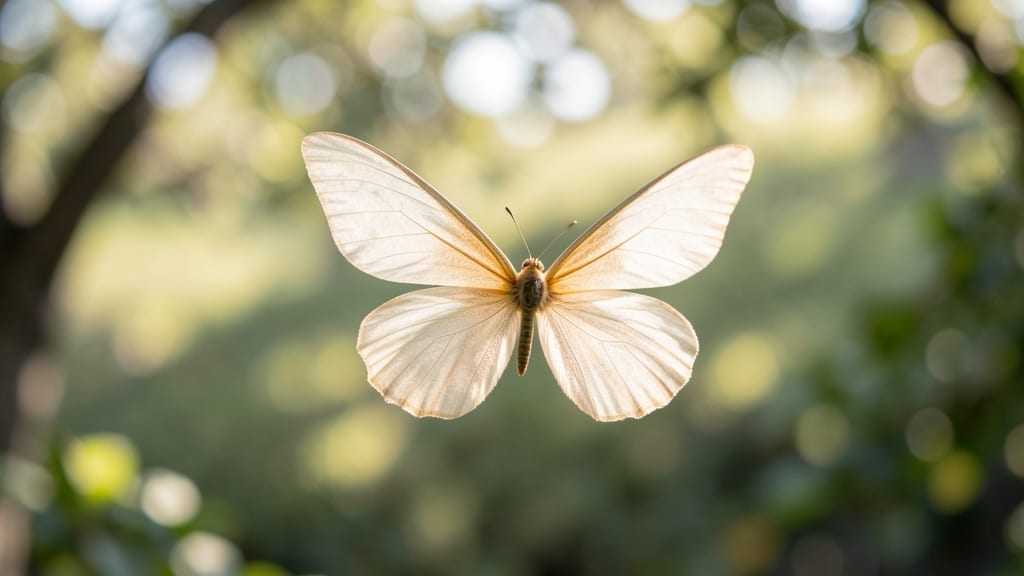
Ever spotted a seed pod that looks like it’s caught in a gentle breeze? Elm samaras have those signature papery wings that flutter like tiny butterflies, making them one of the most elegant seed pods in nature. Unlike their maple cousins, these wings are thinner and more delicate, often appearing translucent in sunlight.
These pods grow in clusters along elm branches and release their seeds in late summer or early fall. They’re a key identifier for urban elms, which provide critical shade and habitat for birds and insects. Look for them in city parks or along streets where elms thrive—just don’t confuse them with ash samaras, which have wings that grow directly opposite each other.
Urban gardeners and wildlife enthusiasts will love knowing these pods signal a healthy elm tree, perfect for planting in city landscapes. 🌿
Pine Cones with Scaly Textures
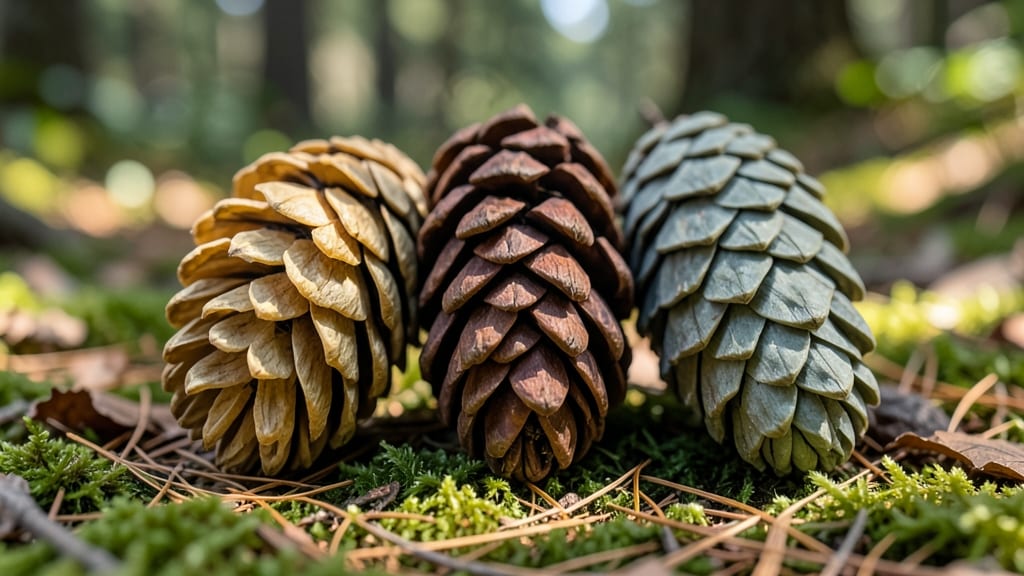
Pine cones might not be true seed pods, but their scaly textures and iconic shapes make them the most recognizable "pod-like" structures in forests. Unlike other seed pods, pine cones come in three distinct types—soft-shore, hard-pine, and hemlock—each with unique characteristics that help you identify the tree they came from.
The soft-shore pine cone (like those from white pines) has flexible, almost papery scales that open easily, while hard-pine cones (such as those from ponderosa or jack pines) have thick, rigid scales that resist opening without heat or time. Hemlock cones are smaller, with a unique curved shape and soft, almost fuzzy scales. Pay attention to the cone’s size, scale texture, and how it opens—these clues will help you narrow down the species.
For gardeners and nature lovers, mastering pine cone ID is a game-changer, especially when foraging or planting native species. These cones also make fantastic additions to winter arrangements or wildlife-friendly gardens. 🌟
Black Walnut Hard-Shelled Pods
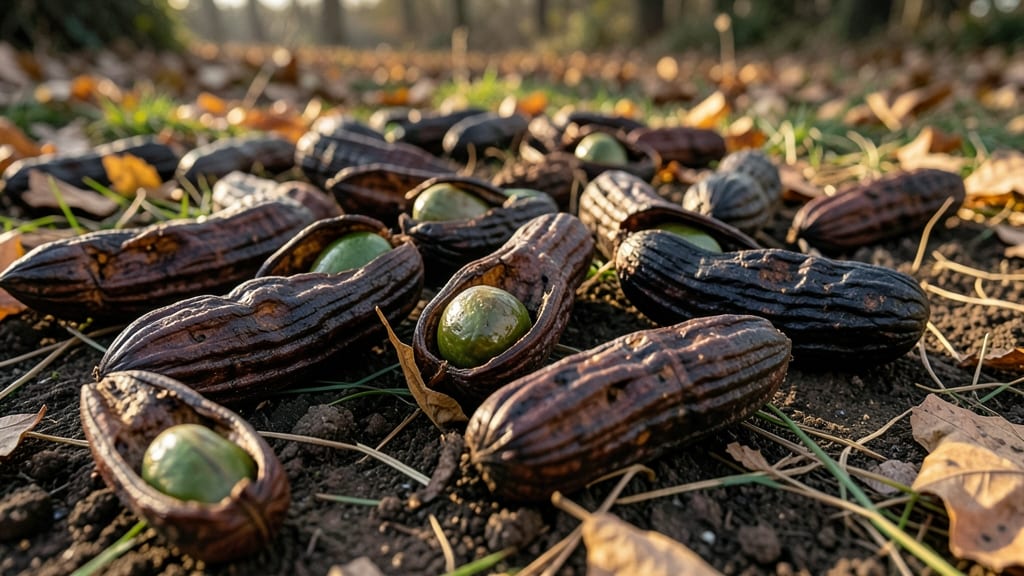
Those dark, staining husks scattered across your yard aren’t just messy—they’re a telltale sign of black walnut trees, one of nature’s most distinctive seed pods. The thick, leathery shells (up to 2 inches long) contain the prized nuts used in everything from furniture to gourmet desserts, but they also release juglone, a compound toxic to many plants.
Look for these pods in late summer or fall when they’re ripe and ready to drop. The dark brown nuts inside have a wrinkled, oblong shape and a strong flavor—great for cracking (with gloves!) or planting. Just keep them away from sensitive plants like tomatoes or fruit trees, as juglone can stunt their growth. 🌱
Birch Seed Pods (Catkins)

If you’ve ever wandered through a birch forest in early spring and spotted long, dangling clusters that look like tiny, fuzzy caterpillars, those are birch catkins—the tree’s subtle but unmistakable seed pods. Unlike flashy maple helicopters or spiky sweetgum balls, catkins blend into the scenery until you know what to look for.
These 1–3 inch-long structures appear before leaves in late winter or early spring, hanging from slender branches like golden tassels. Each catkin releases hundreds of tiny, winged seeds that float away on the breeze, making birch trees masters of passive seed dispersal. The seeds themselves are barely visible to the naked eye but create a soft, misty effect when released.
For forest hikers and urban gardeners alike, spotting catkins is a sure sign of birch trees—whether it’s the peeling white bark of paper birch or the darker trunks of yellow birch. Their delicate beauty makes them a favorite for nature photographers and a key identifier for early spring walks. 🌿