
Trees
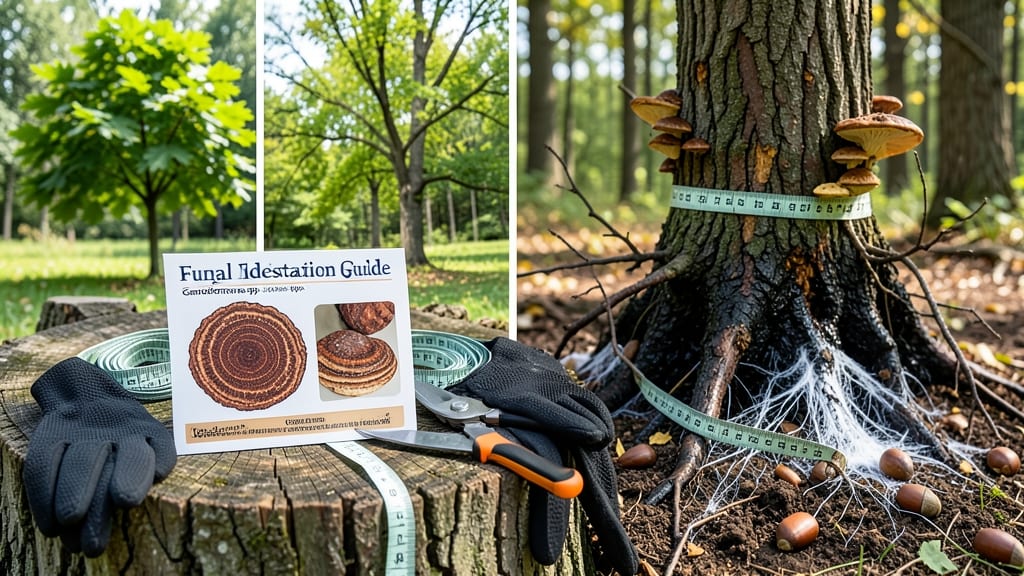
Tree rot fungus turns your sturdy oak into a hollow shell faster than you'd think. 🌳 I’ve watched it creep into my backyard maple, starting with mushrooms at the base and ending with a tree that looked like a sad, empty shell—until I learned the early signs and how to fight back.
The culprits? Too much moisture, old wounds, or stressed roots. Fungus like Armillaria or heart rot thrive in damp soil and weak spots, and once they take hold, they’re hard to shake.
But here’s the good news: catching it early means you can still save your tree with the right steps. You’ll learn to spot the warning signs—discolored bark, mushrooms, or sudden wilting—and use organic fixes like pruning, proper mulching, and even homemade fungicides.
The key is acting fast before the rot spreads beyond repair. This isn’t just about saving a tree; it’s about keeping your yard healthy and your landscape looking strong for years to come.
Root Causes Of Wood Decay
Tree rot fungus doesn’t just appear out of nowhere—it thrives when specific conditions align, turning your once-vibrant trees into vulnerable hosts. Understanding why decay starts is the first step to stopping it. Below, we break down the real culprits behind fungal invasion, from hidden wounds to environmental stress.
Healthy trees have natural barriers that repel fungi, but when their immune system falters, rot fungi like Armillaria or Heterobasidion move in. Here’s how it happens:
- Nutrient Deficiencies: Trees low in nitrogen, phosphorus, or potassium struggle to produce antifungal compounds. Think of it like a human with a vitamin C deficiency—weakened and prone to infections.
- Drought or Overwatering: Both extremes stress trees. Drought weakens roots, while soggy soil suffocates beneficial microbes that compete with rot fungi. Fungi love moisture—damp wood is their buffet.
- Pests & Insects: Bark beetles, borers, and sap-sucking insects create entry points. Their tunnels disrupt the tree’s protective layers, giving fungi a direct path to the heartwood.
Actionable Fix: Test soil pH and nutrients annually. Use mycorrhizal fungi (beneficial fungi) to boost tree resilience, or apply balanced fertilizers in early spring.
Fungi don’t break through bark—they wait for an invitation. Even small injuries can become gateways for decay. Common triggers include:
| Damage Type | How It Helps Fungi | Prevention Tip |
|---|---|---|
| 🪓 Pruning Wounds | Poor cuts leave jagged edges that don’t seal, exposing fresh wood to spores. | Use clean, sharp tools and make cuts at a 45° angle to promote faster healing. |
| 🌪️ Storm or Hail Damage | Cracks and splits create direct pathways for spores to colonize inner layers. | Seal wounds with pruning paint (only on large cuts) or let small wounds callus naturally. |
| 🔨 Construction or Utility Work | Root or trunk injuries from digging, trenching, or buried cables disrupt vascular flow. | Call an arborist before digging near trees—roots can extend 3x the tree’s height. |
Pro Tip:💡 Inspect trees after storms—even minor splits can hide fungal growth. Remove damaged limbs immediately to limit exposure.
Rot fungi don’t spread in dry, sunny conditions—they thrive in the right weather. Key environmental triggers:
- High Humidity + Warmth: Fungal spores germinate best in 70–85°F with moisture. Ever noticed mushrooms popping up after rain? That’s fungi feasting.
- Poor Drainage: Waterlogged soil (common in clay-heavy areas) starves roots of oxygen, making them easy targets for Phytophthora or Armillaria.
- Shade & Dense Canopies: Lack of airflow traps humidity near the trunk, creating a fungal sauna.
- Mulch Piles or Debris: Thick mulch (over 4 inches) or dead leaves against the trunk block airflow and retain moisture—perfect for conifer root rot.
Quick Solutions:
- 🌡️ Improve drainage with raised beds or French drains for soggy areas.
- ✂️ Thin mulch to 2–3 inches, keeping it 6 inches away from the trunk.
- 🌿 Prune for airflow—remove dense branches to let sunlight and wind circulate.
Fungi don’t just appear—they hitchhike. Spores travel via:
- Wind & Rain: Lightweight spores (like Heterobasidion) drift for miles, landing on wounds or bark crevices.
- Infected Tools or Clothing: Pruners, saws, or even boots can carry spores from one tree to another. One cut = one contamination risk.
- Wildlife & Insects: Birds, squirrels, and beetles spread spores on their feet or bodies.
- Contaminated Wood Chips: Using infected mulch or firewood near healthy trees introduces fungi directly.
Prevention Checklist:
- 🔥 Sterilize tools with 70% rubbing alcohol or bleach between trees.
- 🚫 Avoid composting diseased wood—burn or dispose of it far from your yard.
- 🌲 Isolate infected trees with a 10-foot buffer zone to slow spore spread.
Quick Fixes for Decaying Trees
When tree rot fungus takes hold, acting fast can save your tree—or at least prevent the spread. Below, we’ve mapped out practical solutions based on the root cause, from mild infections to severe decay.
Follow these steps to restore your tree’s health and keep it standing strong for years to come.
Cause: Early-stage fungus (e.g., Armillaria, Heterobasidion) or minor root rot. Fix:
- 🔪 Trim infected branches with sterilized pruners (dip in 10% bleach solution or rubbing alcohol). Cut 6–12 inches below the visible rot to remove the fungus entirely.
- 🌡️ Apply fungicide (copper-based or phosphite-based) to wounds and surrounding soil. Reapply every 4–6 weeks during wet seasons.
- 🌳 Improve drainage by aerating compacted soil or redirecting downspouts away from the trunk.
💡 Pro Tip: If the bark is soft or oozing sap, the rot may be spreading faster—act within 2 weeks to avoid irreversible damage.
Cause: Large cavities, cracked bark, or fungal growths (e.g., Phellinus weirii in conifers). Fix:
- 🛠️ Install a support system for weak branches:
- Use tree cabling (steel cables) or bracing rods to stabilize splits or leaning trunks.
- Consult an ISA-certified arborist for professional assessments—DIY fixes can worsen damage.
- 🪓 Remove severely infected trees if:
- 50%+ of the trunk is hollow (no structural integrity).
- The fungus has spread to multiple trees in your yard (risk of contagion).
- The tree is a hazard (e.g., near power lines, driveways, or homes).
⚠️ Warning: Never burn infected wood—spores can linger and reinfect other plants. Chip and compost the debris far from your garden.
Cause: Overwatering, poor soil, or lack of airflow (common with Phytophthora root rot). Fix:
- 💧 Adjust irrigation immediately:
- Water deeply but infrequently (1–2 times per week, depending on climate).
- Avoid overhead sprinklers—they saturate the trunk and bark.
- 🏗️ Modify the landscape:
- Add gravel or sand to heavy clay soil to improve drainage.
- Install French drains or swales to redirect excess water away from the root zone.
- 🌿 Mulch correctly:
- Use 2–4 inches of organic mulch (wood chips, bark) but keep it 6+ inches away from the trunk to prevent moisture buildup.
🎯 Prevention Tip: Test your soil’s pH and drainage—ideal levels are 6.0–7.0 pH and well-aerated (use a simple soil test kit).
Cause: Fungus + boring insects (e.g., ambrosia beetles, carpenter ants) weakening the tree. Fix:
- 🐜 Apply insecticide (neem oil, imidacloprid, or bifenthrin) to both the bark and soil around the base.
- 🔍 Inspect for entry holes (tiny, perfectly round holes = beetles). Fill with diatomaceous earth or mineral oil to suffocate larvae.
- 🌿 Boost tree resilience with:
- Fertilizer (balanced NPK 10-10-10) to strengthen roots.
- Mycorrhizal fungi (beneficial soil fungi) to outcompete pathogens.
✨ Bonus: Healthy trees fend off pests better—prune for airflow (thin out dense foliage) to reduce humidity and fungal growth.
Cause: Weak trees are fungus magnets—prevent future outbreaks with these habits:
- 🌿 Inspect annually for:
- Cracks, oozing sap, or conk fungi (shelf-like growths on the trunk).
- Mushrooms at the base (a red flag for root rot).
- 🪓 Prune properly:
- Remove dead or crossing branches in late winter/early spring.
- Avoid "topping" (cutting back to a stub)—it invites decay.
- 🌧️ Monitor moisture:
- Trees need 1–1.5 inches of water per week (rain + irrigation).
- Avoid soggy soil—raise garden beds if needed.
- 🌱 Choose resistant species if replanting:
- Oaks, maples, and hickories are more rot-resistant than willows or elms.
💡 Pro Tip: Companion planting can help—garlic, marigolds, and thyme naturally repel fungal spores when planted nearby.
Final Note: If your tree is a valuable specimen (e.g., mature oak or heritage fruit tree), invest in professional treatment—some advanced cases require injections of fungicides or biological controls. When in doubt, call an arborist before the rot spreads beyond repair!
Frequently asked questions
What do mushrooms growing at the base of my tree mean?
Mushrooms at the base are a clear sign of root rot fungus, often caused by Armillaria or Phytophthora. These fungi thrive in damp soil and indicate your tree's roots are already compromised. Act fast by improving drainage, removing excess mulch, and applying copper-based fungicide to stop the spread.
Can I save a tree with heart rot?
It depends on how severe the rot is. If only 10-20% of the trunk is hollow, you might save it with proper support (like tree cabling) and fungicide treatment. But if 50%+ is rotted, removal is safer to prevent hazards. Always consult an arborist first—they can assess structural stability.
How do I know if my tree has fungus or just old age?
Look for these red flags: conk fungi (shelf-like growths), oozing sap, soft/brittle bark, or sudden leaf yellowing. Old trees naturally lose leaves, but fungus causes unusual wilting even with water. Tap the trunk—if it sounds hollow or crumbly, that's a rot warning sign.
Are there natural fungicides I can use?
Yes! Try these organic options: neem oil spray (1 tbsp per gallon of water), baking soda solution (1 tbsp baking soda + 1 quart water + drop of dish soap), or garlic spray (blended garlic + water). Reapply every 7-10 days during wet seasons for best results.
Will removing one infected tree stop the fungus from spreading?
Not always—some fungi like Armillaria spread through underground rhizomorphs (thread-like structures). Remove the tree and treat surrounding soil with fungicide. For severe cases, consider soil solarization (covering soil with clear plastic for 4-6 weeks in summer) to kill remaining spores.