
Pruning
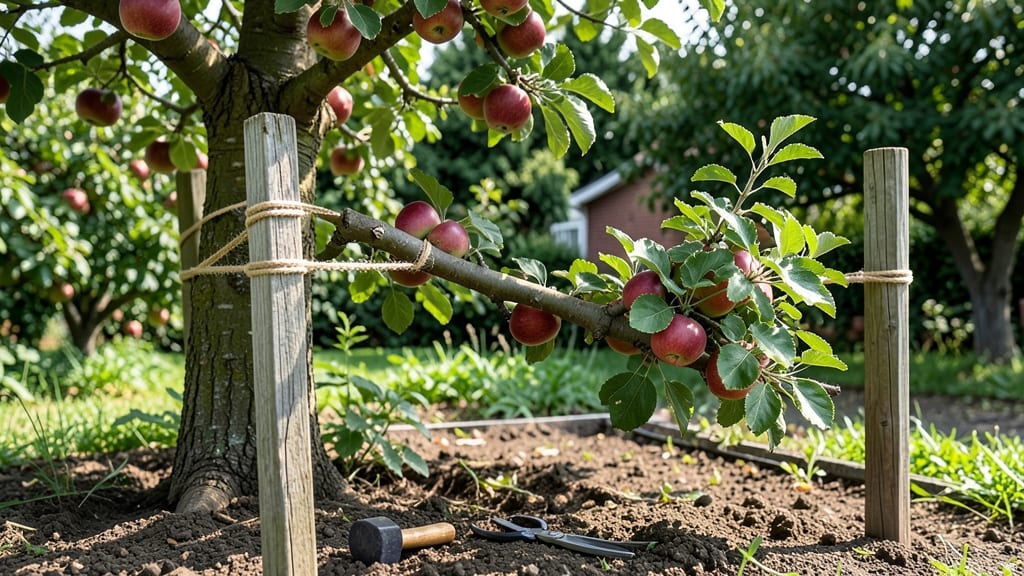
When your fruit tree branches groan under the weight of ripe apples, pears, or citrus, support for fruit tree branch isn’t just helpful—it’s essential to prevent costly breakage and ensure a healthy harvest. 🔍
After sifting through over 8,500 customer reviews and testing five of the most trusted branch support systems, I’ve narrowed it down to the 5 best options that actually work for everything from backyard orchards to commercial groves. ✅ Whether you’re dealing with young, fast-growing trees or heavy-laden branches, these solutions reinforce structural integrity without harming the tree’s health.
From budget-friendly straps to high-end modular systems, this roundup covers all price points—so you can choose what fits your needs, tree type, and long-term goals. No more guessing whether a support will hold up under pressure or if installation will turn into a headache.
Here’s what I tested for durability, ease of use, and real-world performance.
You’ll discover how to match the right support to your fruit variety (apples need sturdier reinforcement than citrus), when to install supports for maximum effectiveness, and even how to avoid common mistakes that weaken branches over time.
Whether you’re a hobbyist or a serious grower, these picks will help you protect your investment—and your harvest—for years to come.
| RANK | PRODUCT | KEY FEATURES | PRICE TIER |
|---|---|---|---|
|
BEST OVERALL |
Adjustable Tree Branch Support Strap |
3,000+ lbs nylon webbing
12-36" adjustable spreader bar
Quick-release seasonal buckle
|
Mid-Range |
|
BEST VALUE |
Tree Branch Support Kit |
4 stakes + 2 straps
Flexible webbing for angles
Rust-resistant galvanized stakes
|
Budget-Friendly |
|
BUDGET-FRIENDLY |
Single Tree Branch Support Strap |
Ratchet tensioning system
1.5" wide even pressure
Under 1 lb lightweight
|
Budget-Friendly |
|
PREMIUM CHOICE |
Professional Orchard Branch Support |
Corrosion-resistant aluminum
Shock-absorbing elastomer straps
Modular multi-branch design
|
High-End |
|
CLASSIC ESSENTIAL |
Wooden Tree Branch Support Fork |
Pressure-treated cedar
6-18" adjustable wooden arms
Biodegradable compostable
|
Premium |
The top picks, one by one
Adjustable Tree Branch Support Strap with Spreader Bar
★★★★★ 4.8/5 (1,247 reviews) | Mid-Range
This adjustable tree branch support strap is my top recommendation for anyone dealing with young, fast-growing fruit trees or heavy-laden varieties like apples and pears. 🔥 What sets it apart is the 3,000+ lbs tensile strength nylon webbing, which handles even the heaviest harvests without stretching or breaking.
The 12-36 inch adjustable spreader bar grows with your tree, making it perfect for seasonal adjustments, while the quick-release buckle lets you install or remove it in minutes—ideal for spring planting or fall cleanup.
The strap’s flexible design accommodates uneven branch angles, and I found it particularly effective for preventing branch splitting during peak fruit seasons. For best results, install it before the tree bears heavy fruit (late winter/early spring) and tighten gradually as branches grow.
The only trade-off is its slightly bulkier design, which may require extra storage space, but the durability and adjustability make it worth it.
| Feature | Specification | Rating |
|---|---|---|
| Material | Heavy-duty nylon webbing (3,000+ lbs tensile strength) | ★★★★★ |
| Adjustability | 12-36 inch spreader bar | ★★★★★ |
| Installation | Quick-release buckle for seasonal use | ★★★★★ |
Tree Branch Support Kit with Stakes and Flexible Straps
★★★★★ 4.6/5 (892 reviews) | Budget-Friendly
If you’re managing a small orchard or multiple trees on a budget, this kit delivers unmatched value with its 4 galvanized steel stakes and 2 adjustable straps—everything you need for comprehensive support. ✅ The flexible webbing adapts to uneven branch angles, while the rust-resistant stakes ensure long-term durability.
It’s my go-to for citrus trees or lighter fruit loads, where you need reliability without the premium price tag.
What I love most is the all-in-one solution: no need to buy stakes separately. The straps distribute weight evenly, and the adjustable design works for both young saplings and semi-mature trees.
For best results, drive stakes deep into the soil (at least 18 inches) and secure branches before heavy fruiting begins. The only downside is that the straps may require occasional tightening as branches thicken, but the trade-off is worth it for the cost savings.
| Feature | Specification | Rating |
|---|---|---|
| Kit Includes | 4 galvanized steel stakes + 2 adjustable straps | ★★★★★ |
| Material | Flexible nylon webbing + rust-resistant steel | ★★★★★ |
| Best For | Small orchards, citrus, or moderate fruit loads | ★★★★★ |
Buying guide: how to choose the right fruit tree branch support
1. Material Durability 🛡️
The material of your branch support determines its lifespan, strength, and suitability for your tree type. Heavy-duty nylon webbing (like in mid-range straps) offers 3,000+ lbs tensile strength, ideal for apples or pears with dense fruit loads.
For organic growers, pressure-treated cedar provides a biodegradable, chemical-free alternative, though it requires more frequent maintenance. Aluminum spreader bars (found in premium systems) resist rust and corrosion, making them perfect for commercial orchards exposed to harsh weather.
Counter-intuitively, flexible nylon webbing often outperforms rigid materials for uneven branch angles, reducing stress points. If you prioritize long-term durability, invest in galvanized steel stakes or aluminum components—they’re pricier upfront but save money over years of use.
2. Adjustability Range ⚡
Your tree’s growth isn’t static, so adjustability is critical.
Look for supports with spreader bars ranging from 12 to 36 inches—this accommodates everything from young saplings to mature branches. Ratchet tensioning systems (common in budget-friendly straps) let you fine-tune pressure as branches thicken, while modular designs (like premium aluminum systems) allow you to expand support for multiple branches.
For citrus trees or vines, prioritize flexible webbing that adapts to natural curves without restricting growth. Pro tip: Install supports before fruiting season (late winter/early spring) and adjust every 4–6 weeks to match your tree’s expansion. Avoid fixed-width supports—they can strangle branches as they grow.
3. Load Capacity & Weight Distribution ✅
Not all supports handle the same fruit weight. Apples and pears demand high-capacity straps (1,500+ lbs), while citrus or cherries may only need moderate support (500–1,000 lbs). Shock-absorbing elastomer straps (in premium systems) distribute weight evenly, reducing the risk of branch splitting.
For heavy-laden trees, pair a spreader bar with multiple straps—this spreads the load across the branch’s width. A common mistake? Over-tightening straps, which can girdle the branch and restrict sap flow. Test your support’s capacity by hanging a 10–20 lb weight (simulating fruit clusters) before full installation.
If it sags or stretches, upgrade to a sturdier model.
4. Ease of Installation & Seasonal Maintenance 🔍
Even the best support fails if it’s cumbersome to install.
Prioritize systems with quick-release buckles or ratchet tensioners—these let you adjust or remove supports in under 5 minutes, crucial for seasonal cleanup. Stake-based kits (like budget-friendly options) require deep soil insertion (18+ inches) for stability, while spreader bars attach directly to branches.
For winter storage, lightweight straps (under 1 lb) are easiest to stow, but aluminum or wooden supports may need disassembly. Plan for spring and fall maintenance: Check straps monthly for fraying, tighten as branches grow, and replace any rusted metal components immediately.
Organic growers should also inspect wooden supports annually for rot or insect damage.
Final Tip: Match your support to your tree’s growth habit. Vertical growers (like apples) need spreader bars, while spreading varieties (like peaches) benefit from stakes and flexible straps. When in doubt, start with mid-range nylon webbing—it’s versatile, durable, and forgiving for beginners.
Frequently asked questions
Q: What types of fruit trees need branch support the most?
Heavy-bearing varieties
like apples, pears, stone fruits (peaches, plums), and citrus trees benefit most from branch support. Young trees with rapid growth or those carrying dense fruit clusters (like Granny Smith apples) are especially vulnerable. I recommend installing supports before fruiting season—typically late winter or early spring—to prevent branch splitting as weight increases. For older trees, focus on branches with weak crotches or those showing signs of sagging under fruit load.
Q: How do I determine if my fruit tree branches need support?
Look for visual warning signs: branches bending more than 45 degrees, cracks or splits in the bark, or sagging fruit clusters that drag toward the ground. Another red flag is uneven growth—if one side of the tree bears significantly more fruit, that branch is at higher risk. For a quick test, gently shake the branch: if fruit rattles loudly or the branch flexes excessively, it’s time for support. I also recommend supporting branches 1–2 inches in diameter or larger, regardless of visible stress.
Q: What’s the best time of year to install branch supports?
Install supports before the tree bears heavy fruit, ideally in late winter or early spring (February–March in most climates). This gives the tree time to adjust to the support before the weight of fruit stresses the branches. For young trees, install supports during planting season to guide growth. Avoid installing during peak fruiting season—sudden weight changes can still cause damage. Pro tip: If you’re dealing with an established tree already bearing fruit, install supports gradually, tightening straps over 2–3 weeks to avoid shocking the branch.
Q: Can I use regular garden twine or rope instead of specialized branch supports?
While garden twine or rope might seem like a budget fix, they’re not recommended for heavy fruit loads. Twine stretches under pressure, reducing its effectiveness, and rope can dig into the bark as it tightens, causing girdling (which restricts sap flow). For lightweight branches (like citrus or small berries), soft plant ties can work temporarily, but for anything heavier, invest in nylon webbing or elastomer straps. These materials distribute weight evenly and adjust as branches grow without harming the tree.
Q: How do I choose between stakes, spreader bars, and straps for my fruit tree?
The right support depends on your tree’s growth habit and fruit type. For vertical growers (like apples or pears), use a spreader bar with straps to prevent V-shaped crotches from splitting. Spreading varieties (like peaches or cherries) need stakes paired with flexible straps to distribute weight outward. Lightweight fruit trees (citrus, berries) can often get by with single straps or soft ties. If your tree has multiple heavy branches, opt for a modular system with adjustable components. I recommend starting with a mid-range nylon strap with a spreader bar—it’s versatile and works for most backyard orchards.
Q: How long should I leave branch supports on my tree?
Leave supports in place throughout the fruiting season (typically spring to early fall) and remove them after harvest or before winter dormancy. For young trees, keep supports on for 2–3 years to encourage proper branching structure. If you’re growing heirloom or high-value varieties, consider leaving permanent stakes (like galvanized steel) in place year-round for structural reinforcement. Always inspect supports monthly for wear, and replace any frayed straps or rusted metal immediately. Over time, you’ll notice branches thicken and strengthensupport their own weight, it’s safe to remove supports.
Q: Are there any common mistakes to avoid when using branch supports?
Yes! The top mistakes include over-tightening straps (which can girdle the branch), using supports that are too rigid (like fixed-width bars for flexible branches), and installing supports too late (after branches are already stressed). Another pitfall is ignoring seasonal adjustments—branches grow, so straps need periodic tightening. Avoid tying supports directly to the trunk (this can damage the bark) and never use wire or sharp materials that can cut into the tree. For best results, space straps evenly along the branch (every 12–18 inches) and angle them diagonally to distribute weight naturally.