
Trees
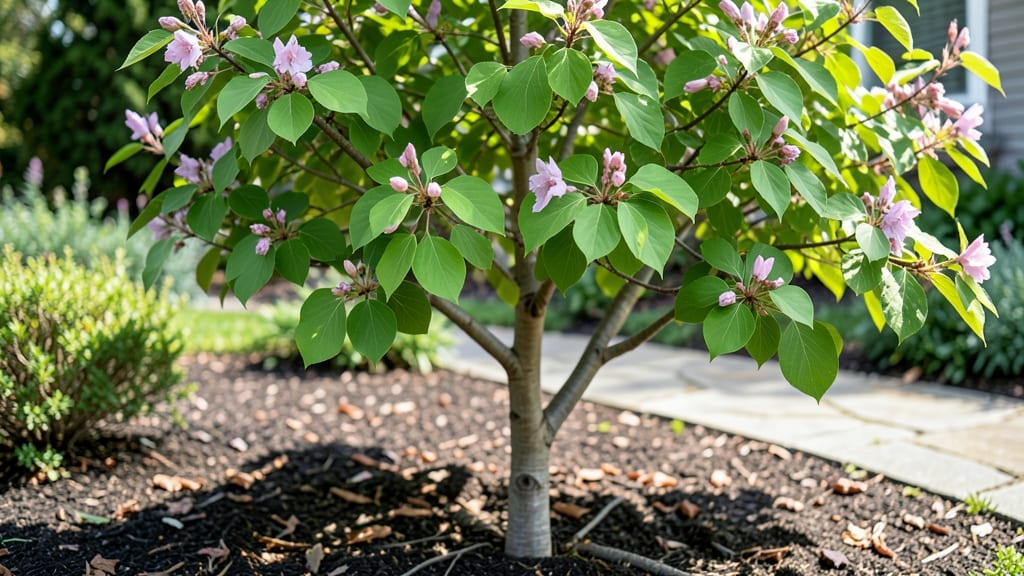
The heart-shaped leaves of the redbud tree (Cercis canadensis) announce spring with a blush of pink blooms that outshine any neighbor's yard. 🌸 I planted mine last autumn, and by March, the branches were heavy with flowers before a single leaf appeared—a spectacle that lasts just two weeks but feels like a gift from nature.
This small but mighty tree thrives in full sun to partial shade, tolerating everything from clay soil to rocky ground. Water it deeply once a week until established, then let it fend for itself—it’s drought-resistant once rooted.
Prune in late winter to shape it or remove deadwood, but avoid heavy cuts that rob it of its signature heart-shaped foliage.
📚 In This Guide
- What you need
- Instructions
- Tips and common mistakes
- Wrapping up and next steps
What you need
- ● Redbud tree seeds or saplings: Seeds: 5–10 (for multiple plants) or 1 packet (if pre-packaged). Tip: Ensure they’re fresh or stored properly!
- ● Saplings: 1–2 (mature size: 4–6 ft tall, 1–2 in trunk diameter).
- ● Planting site: Sunny spot (6+ hours of sunlight daily) with well-draining soil (pH 6.0–7.5).
- ● Organic matter: 2–3 gallons of compost or aged manure to enrich soil.
- ● Mulch: 2–3 inches of shredded bark or wood chips (keep 6 in away from trunk).
- ● Garden trowel or spade (for digging holes).
- ● Gloves (heavy-duty for handling soil/seeds).
- ● Watering can or hose (with adjustable nozzle).
- ● Pruners (bypass pruners for clean cuts, if shaping saplings).
- ● Measuring tape (to ensure proper spacing: 15–20 ft between trees).
- ● Tree stakes & ties (for young saplings in windy areas).
- ● Slow-release fertilizer (balanced 10-10-10, 1 lb per tree).
- ● Drip irrigation system (for consistent moisture).
- ● Soil test kit (to check pH/nutrient levels before planting).
How to plant and care for a redbud tree
Here's my go-to method for growing these stunning trees that bring spring color and year-round interest.
🌱 Step 1: Choose the Perfect Planting Spot
Redbuds thrive in full sun to partial shade, with at least 6 hours of direct sunlight daily. I always pick a location with well-draining soil—these trees hate soggy roots. The heart-shaped leaves perform best when planted where they'll get morning sun and afternoon shade in hotter climates.
Dig a hole twice as wide as the root ball but only as deep as the container it came in. Loosen the sides of the hole with your shovel to help roots spread easily. Real talk: if your soil is heavy clay, mix in 2 inches of compost to improve drainage before planting.
🪴 Step 2: Plant at the Right Depth and Water Thoroughly
Place the tree in the hole so the top of the root ball sits level with the surrounding soil—never bury the trunk too deep. This is the moment that matters: if planted too high, roots won't get enough moisture; too low, and the trunk will rot. Gently backfill with native soil, tamping down lightly every 2 inches to eliminate air pockets.
Water deeply right after planting—about 10 gallons for a small tree—to settle the soil around roots. You'll see the soil surface sink slightly as it absorbs water. For the first 2 weeks, keep the soil evenly moist (not soggy) by watering every 2-3 days. Here's the thing—redbuds establish best when they're never allowed to dry out completely during their first season.
☀️ Step 3: Mulch and Protect for First-Year Growth
Spread 3 inches of mulch (wood chips or shredded bark) in a 3-foot diameter circle around the base, keeping it 6 inches away from the trunk. This protects roots from temperature swings and retains moisture. I always use organic mulch because it breaks down slowly and adds nutrients to the soil over time.
Stake the tree only if it's taller than 6 feet or in a windy location. Use two stakes positioned opposite each other and tie the trunk loosely with soft tree ties—tightening too much can girdle the bark. Watch for new leaves in 4-6 weeks—that's your signal the tree is settling in and roots are establishing.
✂️ Step 4: Prune for Shape and Health
Wait until late winter or early spring (just before buds swell) to prune. Remove dead, crossing, or rubbing branches first—these compete for energy and can create entry points for disease. Cut back to the bud or branch collar, never leaving a stub. Redbuds bloom on old wood, so avoid heavy pruning after flowering.
Shape the tree by thinning out rather than shearing. You'll see the natural vase shape emerge as you remove branches that grow inward. Never prune more than 25% of the canopy in one season—this stresses the tree and reduces next year's blossoms. Here's what I do: I prune lightly each year to maintain an open center that lets light reach all branches.
🌿 Step 5: Maintain Through the Seasons
Water deeply once a week during the first growing season, then every 2 weeks once established. You'll know it's time when the top 2 inches of soil feel dry. Fertilize only in early spring with a balanced 10-10-10 formula—redbuds don't need much, and too much nitrogen reduces flowering.
In fall, rake away all fallen leaves to prevent fungal diseases. These trees are generally pest-free, but watch for Japanese beetles—they love redbud foliage. If you see them, spray with neem oil as a preventative. With proper care, your redbud will reward you with spring blooms for decades—that's the beauty of this tree.
Tips & tricks for perfect redbud tree planting and care
These little details make all the difference when growing a redbud tree that thrives for decades.
Location Intelligence: That 6 hours of sunlight requirement is non-negotiable for vibrant blooms and heart-shaped leaves. I always scout the spot at different times of day—morning sun with afternoon shade is ideal in hotter regions. Watch for areas where other plants struggle; those are often signs of poor drainage or soil issues that redbuds can't tolerate.
Planting Depth Secret: Getting the depth right in Step 2 is critical—burying too deep suffocates the trunk while planting too high leaves roots exposed. I use a small stake as a visual guide: when the top of the root ball meets the stake's height, that's your target. Also, never compact the soil around the roots—just firm it lightly to avoid creating air pockets that prevent water absorption.
Mulching Wisdom: The 3-inch mulch ring isn't just decoration—it's a protective barrier. I always check the mulch depth annually and refresh if it's broken down below 2 inches. For extra protection in winter, add a 2-inch layer of straw over the regular mulch to insulate roots during cold snaps. Just remember to keep mulch 6 inches away from the trunk to prevent rot.
Pruning Strategy: When shaping your tree in Step 4, focus on creating an open center that lets light penetrate to the lower branches. I make my cuts at a 45-degree angle just above an outward-facing bud—this encourages new growth in the right direction. Never remove more than 25% of the canopy in one year, or you'll risk losing next season's spectacular spring blooms.
Pro Tips for Redbud Tree With Heart Shaped Leaves
- These little details make all the difference when growing a redbud tree that thrives for decades.
- Location Intelligence: That 6 hours of sunlight requirement is non-negotiable for vibrant blooms and heart-shaped leaves.
- Planting Depth Secret: Getting the depth right in Step 2 is critical—burying too deep suffocates the trunk while planting too high leaves roots exposed.
Frequently asked questions
When do redbud trees bloom, and how long do the flowers last?
The Cercis canadensis typically blooms in early spring, often before its leaves emerge, creating a stunning pink canopy. Flowers last 2–3 weeks, depending on climate. Cooler regions may see later blooms, while warmer areas enjoy earlier (and sometimes prolonged) displays. Prune in late winter to encourage vibrant spring blooms!
Are heart-shaped leaves the only way to identify a redbud tree?
No! While heart-shaped leaves are iconic, redbuds also have:
- Pink-purple flowers clustering along branches.
- Peeling bark in shades of gray and brown.
- Pods that form after blooms (though they’re less showy).
Young trees may have simple, alternate leaves, but mature specimens are unmistakable.
Can redbud trees survive harsh winters or drought?
Redbuds are hardy in USDA zones 4–9 and tolerate cold, but drought stress can stunt growth. Mulch the root zone and water deeply during dry spells. Young trees benefit from winter protection in colder zones. Pro tip: Plant in well-draining soil to avoid root rot.
How fast do redbud trees grow, and how big do they get?
Redbuds grow moderately fast—about 12–24 inches per year—reaching 20–30 feet tall and 25–35 feet wide at maturity. Dwarf varieties (like ‘Lavender Twist’) stay under 10 feet, perfect for small yards. Prune annually to manage size!
What pests or diseases should I watch for?
Common issues include:
- Japanese beetles (chew leaves) – Use neem oil or handpick.
- Powdery mildew (white fungus) – Improve airflow and avoid overhead watering.
- Anthracnose (leaf spots) – Prune infected branches and sterilize tools.
Healthy trees resist pests well, so prioritize sunlight, drainage, and regular care.
Wrapping up and next steps
The redbud tree with its iconic heart-shaped leaves isn’t just a springtime spectacle—it’s a year-round gift of beauty, resilience, and charm.
Whether you’re drawn to its delicate pink blooms, lush foliage, or the joy of nurturing a tree that thrives with minimal fuss, this tree offers endless inspiration for gardens, landscapes, and even urban spaces. 🌸
Ready to invite its magic into your world? Start by choosing the perfect spot—whether it’s a sunny corner of your yard, a container on your patio, or a community garden plot. Then, take the first step: gather your supplies and begin your redbud journey today!