
Pruning
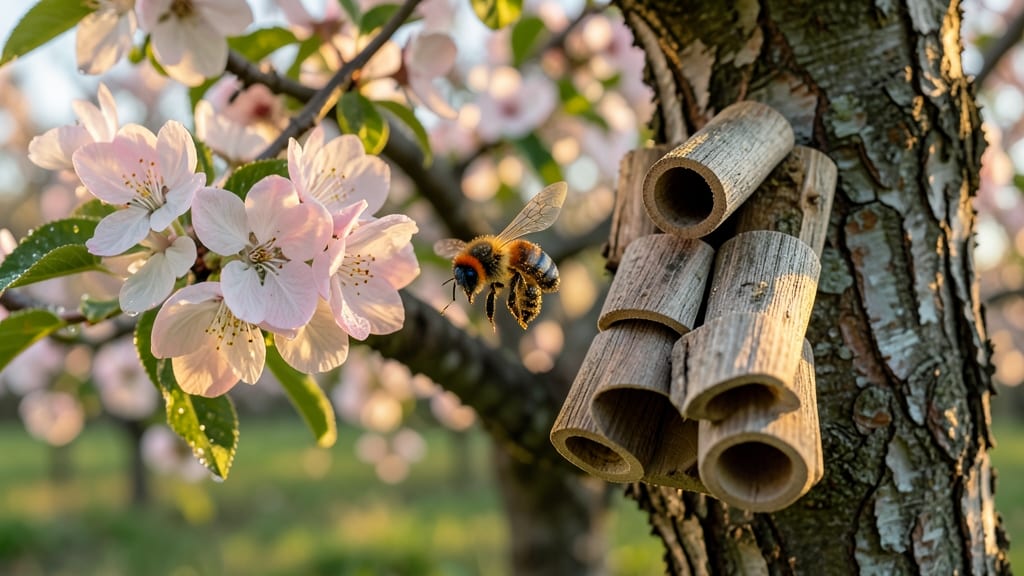
Struggling with poor fruit set on your Red Delicious apple trees? The right pollinators are the secret weapon for bountiful harvests. These 10 essential bees and beneficial insects will transform your orchard's productivity with science-backed pollination power.
Western Honey Bee (Apis mellifera)
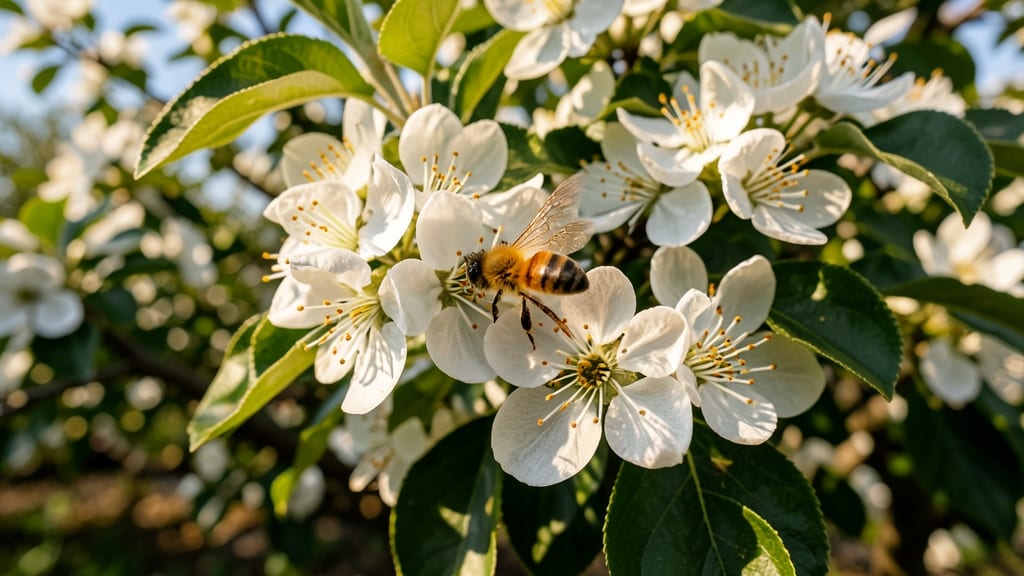
If you want maximum fruit set on your Red Delicious apple trees, the Western Honey Bee is your top ally—these industrious pollinators visit 50-100 flowers per minute, making them the orchard’s most efficient workers. Their ability to forage quickly and consistently translates to higher yields, especially when hives are strategically placed near blossoms during peak bloom.
To harness their power, position hives within 100 feet of trees during the two-week bloom period—this ensures bees spend less time traveling and more time pollinating. They thrive in orchard environments with plentiful water sources and pesticide-free zones, so avoid spraying during bloom. For home orchards, even a single managed hive can boost pollination by 30-40%, while larger orchards may need multiple hives for optimal coverage.
This makes them ideal for both small-scale growers and commercial orchards, offering a low-maintenance, high-reward pollination solution when conditions are right. 💪
Bumblebee (Bombus spp.)
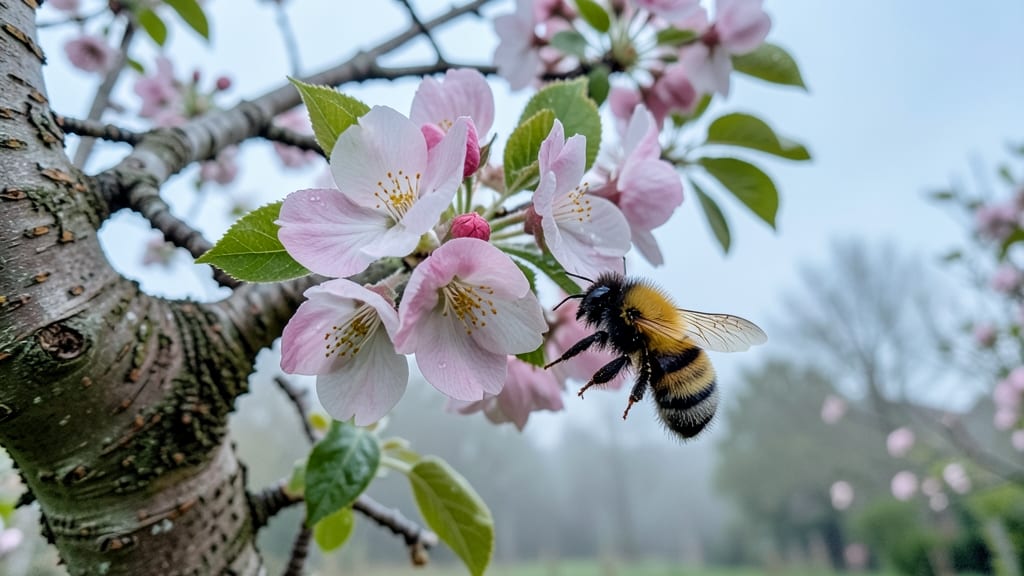
When honey bees struggle in chilly spring mornings, bumblebees (Bombus spp.) step in as nature’s power pollinators for Red Delicious apple trees. Their fuzzy bodies vibrate blossoms at 200+ times per minute, a process called "buzz pollination" that releases stubborn pollen—ideal for cold climates where honey bees are less active.
These heavy-bodied pollinators thrive in temperatures as low as 50°F and can boost fruit set by 30% in trials, making them perfect for early-season orchards. To attract them, plant native flowers like clover and lavender near your trees and avoid pesticides during bloom. Their nesting habits in grassy areas also mean they’ll naturally seek out your orchard borders.
Gardeners in northern regions or high-altitude areas will see the biggest benefits from bumblebees, as their cold-hardiness makes them the unsung heroes of apple pollination. 🌟
Alfalfa Leafcutter Bee (Megachile rotundata)
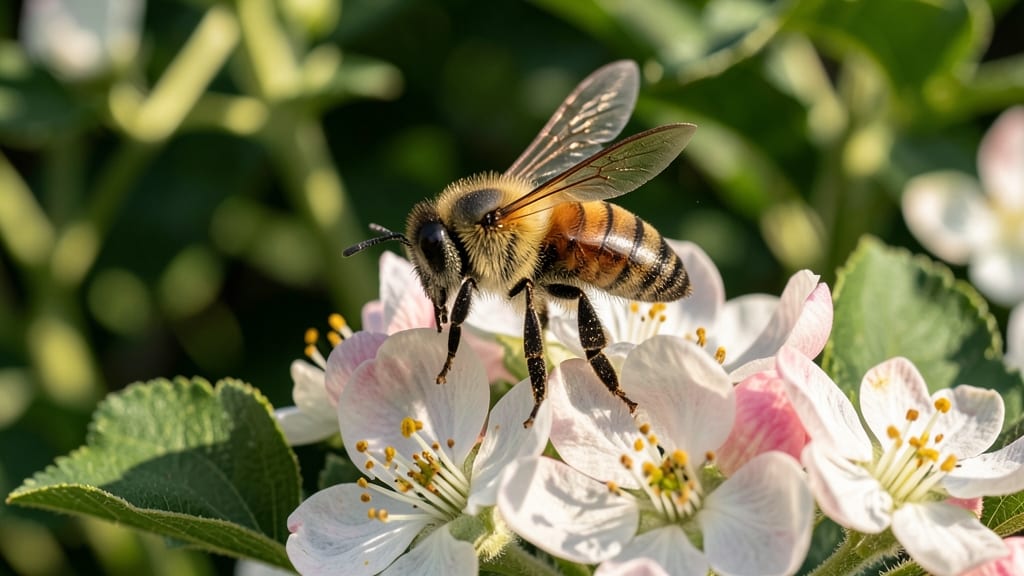
If your Red Delicious apple orchard needs a pollination powerhouse, the alfalfa leafcutter bee might be your secret weapon. Unlike social bees, these solitary pollinators visit 100+ flowers per minute, making them ideal for large-scale orchards where efficiency matters most.
They collect pollen with surgical precision, using their scopa (pollen basket) to pack pollen into neat sacs. Planting alfalfa or clover near your orchard provides early-season forage, while their nesting habits in pre-cut stems or wooden blocks make them easy to attract. Their high-speed foraging ensures consistent pollination, even in commercial settings.
Perfect for orchard managers or hobbyists with multiple trees, these bees thrive in sunny, open spaces and require minimal intervention. Their presence can dramatically boost fruit set without the need for managed hives. 🌻
Squash Bee (Peponapis pruinosa)
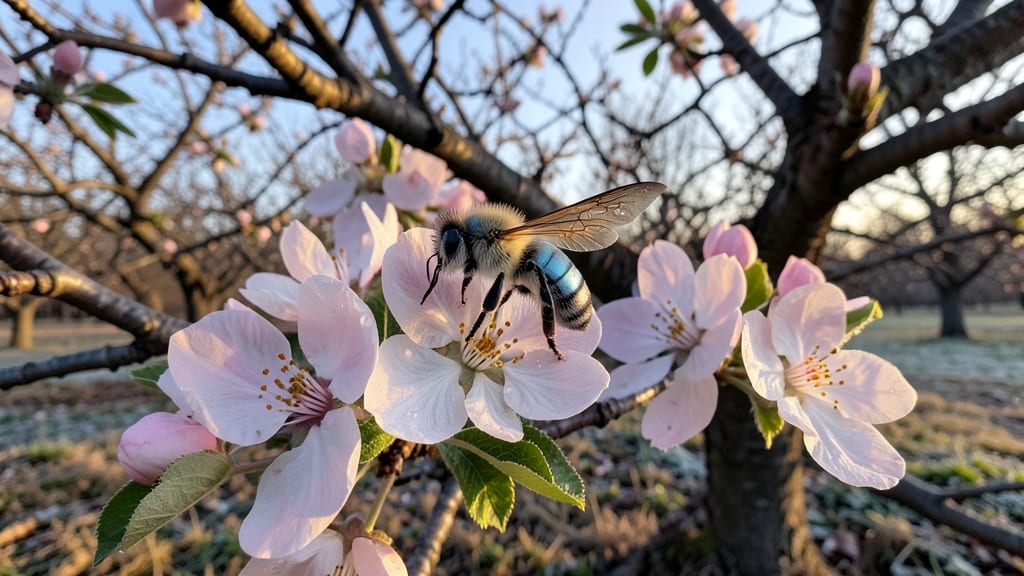
If your orchard is in a short growing season region, the squash bee (Peponapis pruinosa) might be your secret weapon for Red Delicious apple trees. Unlike generalist pollinators, this bee has evolved to time its activity perfectly with early spring blossoms, ensuring critical pollination when other bees are still dormant.
Native to North America, squash bees are specialized for cucurbits but will readily visit apple blossoms when available. Their metallic green abdomen and fuzzy bodies make them easy to spot buzzing between flowers. To attract them, plant native wildflowers near your orchard—especially early bloomers like dandelions and violets—which provide nectar before apple trees burst into bloom.
Gardeners in northern climates or high-altitude regions benefit most from squash bees, as their early-season synchronization compensates for limited pollinator activity. Even a small population can significantly boost fruit set in Red Delicious varieties. 🌟
Mason Bee (Osmia spp.)
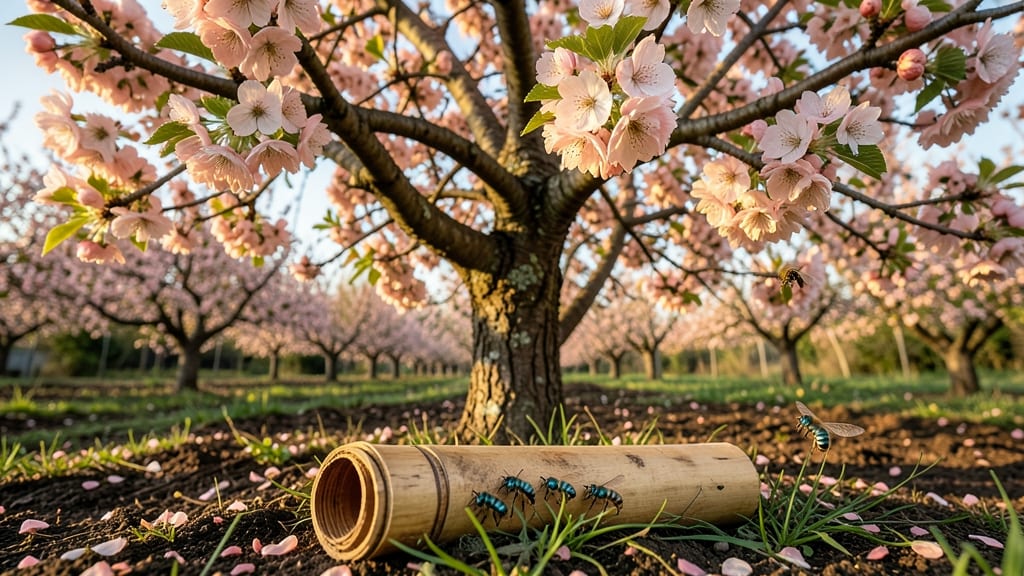
If your Red Delicious apple tree is producing fewer fruits than expected, mason bees might be your game-changer. These early-season pollinators are 50% more effective than honey bees at boosting fruit set, especially in organic orchards where pesticides aren’t an option.
Mason bees thrive in orchard borders and prefer nesting in small cavities like drill holes in wood or bamboo tubes. Unlike honey bees, they’re solitary and gentle, making them perfect for small-scale orchards. Their early spring activity aligns perfectly with apple blossoms, ensuring maximum pollination when it matters most.
Home gardeners and organic farmers will love how easy it is to attract them—just add nesting blocks and leave some bare soil. With their high pollination efficiency, they’re the secret weapon for heavier harvests without the maintenance of hives. 🌟
Hoverfly (Syrphidae family)
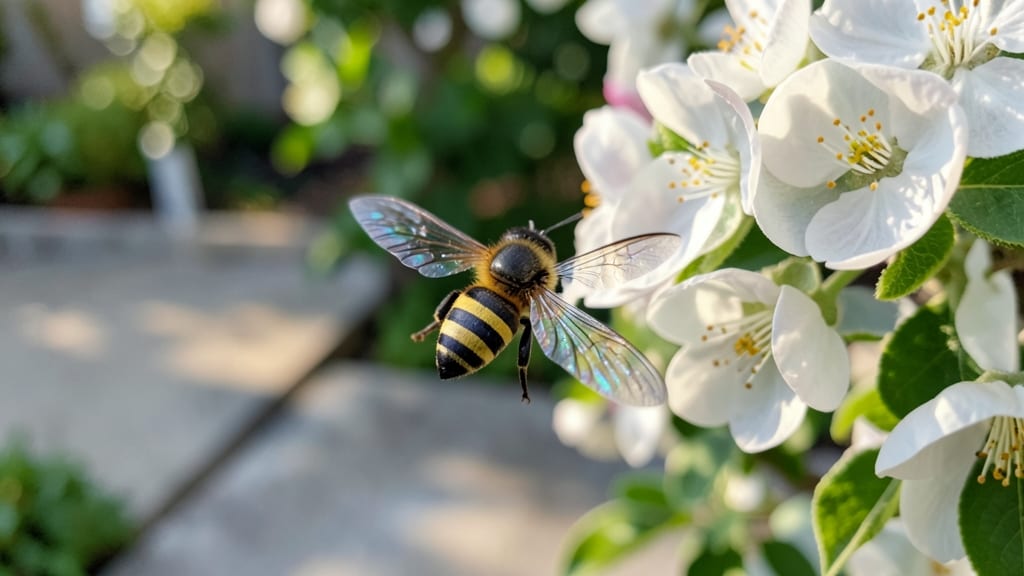
If you’re looking for a pollinator that requires zero maintenance but still delivers big results for your Red Delicious apple tree, look no further than the hoverfly. These beneficial insects mimic bees with their black-and-yellow striped bodies but lack stingers, making them perfect for urban gardens or small orchards where beekeeping isn’t feasible.
Hoverflies are exceptional pollinators because they actively visit apple blossoms, transferring pollen between flowers. Their larvae, however, are the real game-changers—they voraciously consume aphids, mites, and other soft-bodied pests, reducing the need for chemical interventions. Planting neighborhood-friendly flowers like dill, fennel, or marigolds near your orchard will attract them naturally.
Urban gardeners and small-scale fruit growers will love hoverflies because they thrive in diverse environments and don’t require hives or nesting boxes. Their dual role as pollinators and pest controllers makes them a low-effort, high-reward addition to any orchard. 🌱
Sweat Bee (Halictidae family)
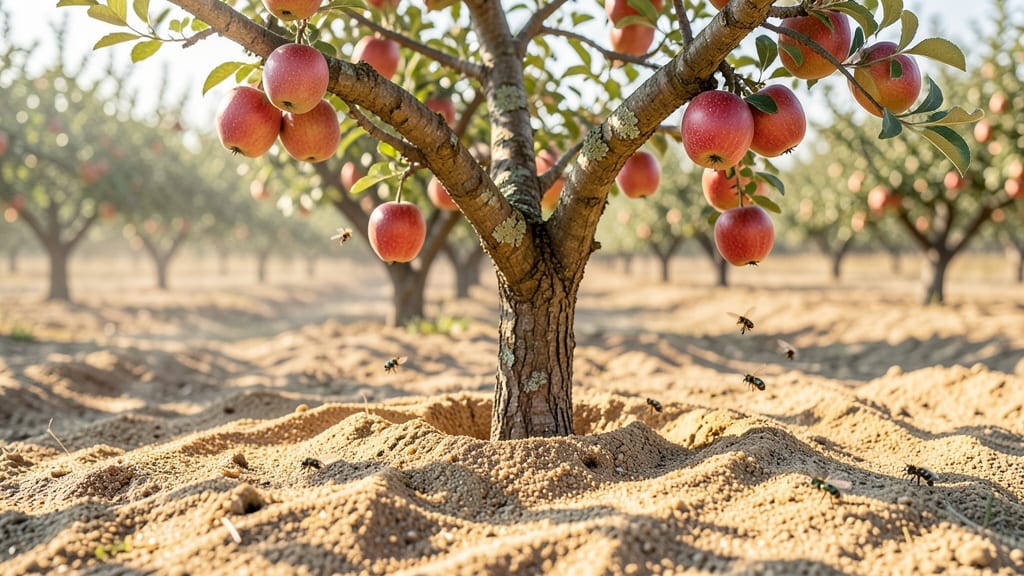
If your orchard soil is sandy and your Red Delicious apple trees seem to struggle with fruit set, you might be overlooking the power of sweat bees. These tiny but mighty pollinators are ground-nesters that thrive in loose, well-drained soils—making them perfect for orchards with sandy conditions.
Sweat bees are aggressive blossom foragers, meaning they visit flowers repeatedly and transfer pollen more efficiently than many other pollinators. Their nesting habits in bare soil also mean they’re easy to support with simple habitat adjustments, like leaving patches of undisturbed ground or adding shallow nesting sites. For Red Delicious varieties, their early-season activity ensures better cross-pollination when other bees are still dormant.
These bees are ideal for gardeners with sandy soils or those looking for a low-maintenance way to boost pollination. Just avoid pesticides, and you’ll see these little workers transform your orchard’s productivity! 🌻
Apple Maggot Fly (Rhagoletis pomonella) - Beneficial Role
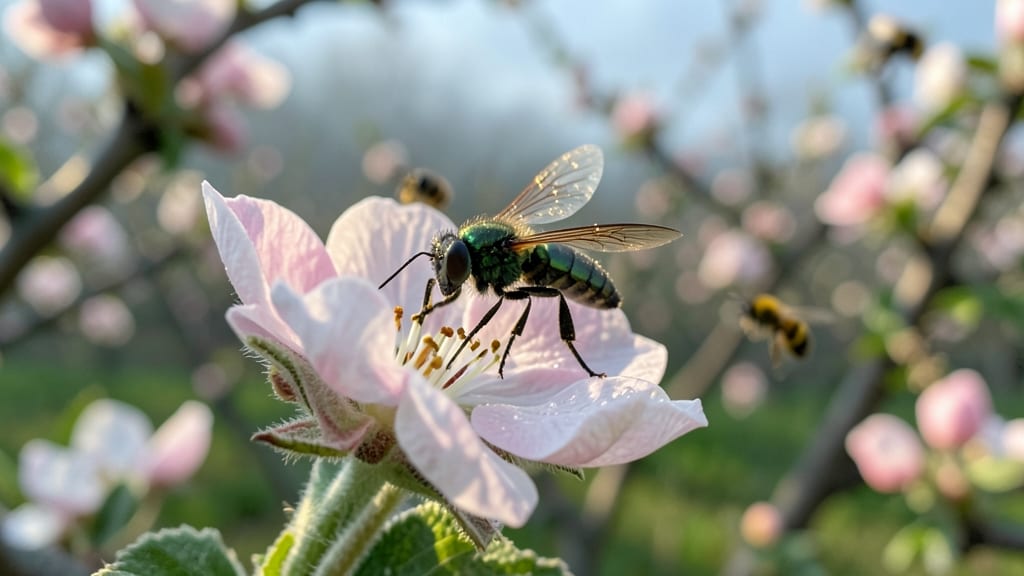
Think of the apple maggot fly as nature’s backup pollinator—when bees are scarce, these tiny insects step in to ensure your Red Delicious apple tree still gets the job done. Their early-season activity can cross-pollinate blossoms when honey bees or bumblebees are still dormant or overwhelmed.
While they’re notorious for laying eggs in ripening fruit, their early spring visits help transfer pollen between flowers. To balance their benefits, use red spheres or traps to monitor populations and only intervene if fruit damage exceeds 5%. This strategy lets you harness their pollination power while minimizing harm. 🌱
Ladybug (Coccinellidae family)
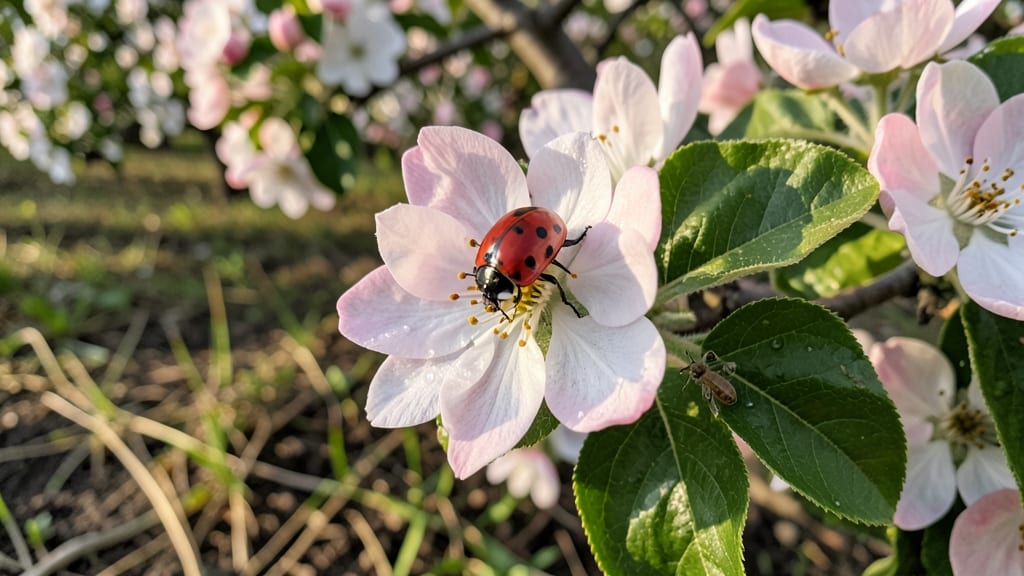
While bees steal the spotlight for pollination, ladybugs (Coccinellidae family) quietly double as both pollinators and pest controllers—making them the ultimate multitaskers for your Red Delicious apple orchard. Their polyphagous diet means they visit a wide range of blossoms while feasting on aphids, creating a natural balance that reduces the need for chemical interventions.
Ladybugs thrive in integrated pest management (IPM) systems, where their aphid-eating habits directly benefit fruit trees by preventing sap-sucking pests from weakening blossoms. To attract them, plant dill, fennel, or marigolds nearby—their favorite nectar sources—and avoid broad-spectrum pesticides that harm their larvae. A single ladybug can consume 5,000 aphids in its lifetime, while also pollinating flowers through casual foraging.
This makes them especially valuable for organic growers or those practicing low-spray orcharding, as they combine pollination with year-round pest control. 💚
Orchard Bee (Osmia lignaria)

If you’re looking for a low-maintenance way to boost your Red Delicious apple tree’s fruit set, the orchard bee (Osmia lignaria) is your best native ally. Unlike managed honeybee hives, these solitary bees thrive in simple nesting tubes and are specifically drawn to apple blossoms, making them the perfect pollinator for small orchards or urban gardens.
Orchard bees are early-season pollinators, emerging in spring just as apple trees bloom. They’re highly efficient, visiting dozens of flowers per minute, and their native status means they’re already adapted to local climates. To attract them, install pre-drilled wooden nesting tubes (available at garden centers) near your trees—no pesticides or complex setups required. These bees also help pollinate other fruit trees like cherries and plums, making them a versatile addition.
Perfect for beginner gardeners or those without space for hives, orchard bees offer a hassle-free way to improve pollination. With minimal effort, you’ll see better fruit set and fewer empty blossoms come next season. 🌻