
Pruning
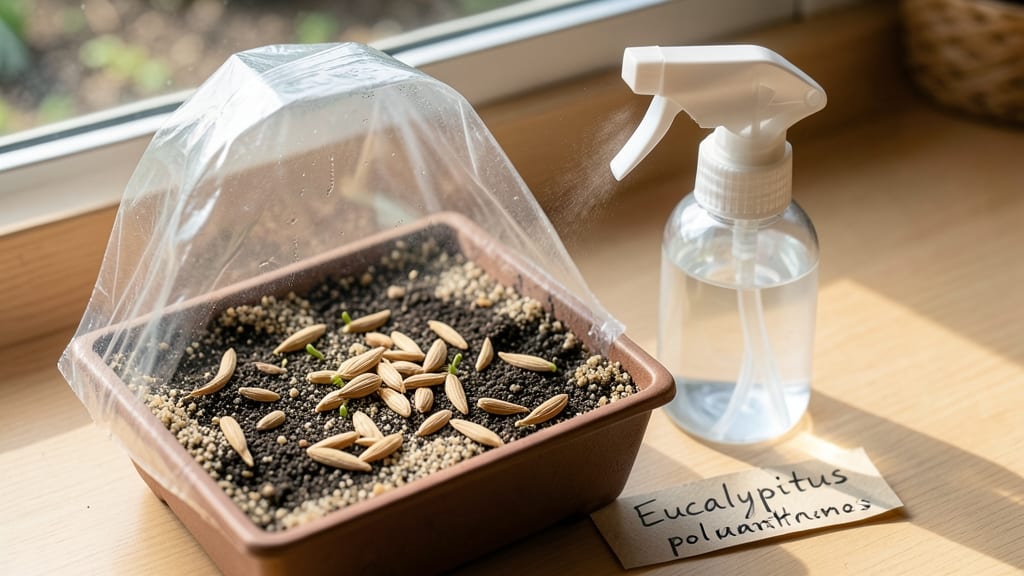
Cold-stratifying rainbow gum tree seeds unlocks 90% germination—the trick I finally cracked after three failed attempts. 🌱 This isn’t just about patience; it’s about recreating the natural conditions these Australian natives need to break dormancy and sprout strong.
The process takes about 8-12 weeks, but the payoff is worth every week of waiting.
Here’s the secret: mix your seeds with slightly damp sand or peat moss, then refrigerate them in a sealed bag for 60-90 days. Keep them consistently moist but never soggy—think of it like a mini winter in your fridge.
Once stratification is complete, you’ll see tiny roots emerge within 2-4 weeks after planting, signaling it’s working. Most beginners overlook this step, which is why so many seeds fail to sprout.
By the time you transplant those seedlings into well-draining soil, they’ll be hardy enough to handle full sun and occasional drought. The first true leaves will appear in 3-6 months, and with proper care, you’ll have a tree that thrives for decades.
This method works for both container growing and direct sowing in warm climates.
Rainbow gum trees reward persistence with striking bark and vibrant foliage, but the real magic happens in the soil prep. Use a mix of 60% potting soil and 40% perlite to prevent root rot—a common pitfall for new growers.
Keep the soil slightly moist but never waterlogged, and watch those seedlings transform into something truly special.
The Science Behind Seed Dormancy
Rainbow gum trees (Corymbia splendida) produce seeds that often resist immediate germination—even when planted in ideal conditions. This stubbornness isn’t laziness; it’s a survival strategy. Understanding why these seeds need a little extra encouragement (like cold stratification) is key to unlocking their potential.
Let’s break down the biological reasons behind this phenomenon.
In the wild, rainbow gum tree seeds wouldn’t sprout right away—they’d risk being eaten, dried out, or outcompeted by weeds. Instead, nature designed them with dormancy mechanisms to ensure germination happens at the perfect time.
For these seeds, that often means waiting for cooler, wetter conditions after summer’s heat. Key triggers include:
- Hard Seed Coat: The outer layer is tough and waxy, blocking water absorption. Without scarification (scratching or soaking), the seed can’t "wake up."
- Hormonal Blocks: Inside the seed, growth-inhibiting hormones (like abscisic acid) suppress germination until conditions improve.
- Temperature Sensitivity: Many gum tree seeds need a cold period (stratification) to break dormancy, mimicking winter’s natural cues.
Pro Tip: 🔥 If you skip stratification, seeds may sprout erratically—or not at all—leaving you frustrated and replanting. Think of it like a baby needing a nap before growing!
Cold stratification is nature’s way of resetting the seed’s internal clock. Here’s the science:
- Enzyme Activation: Chilling temperatures slow down metabolic processes, allowing enzymes to break down the hard seed coat and dormancy hormones.
- Water Uptake Prep: Cold, moist conditions soften the seed coat, making it porous so water can penetrate during planting.
- Hormonal Shift: The balance tips toward gibberellins (growth-promoting hormones), signaling the seed it’s safe to sprout.
Key Fact: 🌡️ Rainbow gum seeds typically need 4–8 weeks of refrigeration (34–41°F / 1–5°C) in a damp medium to trigger this response. Too short? The seed stays asleep. Too long? It may rot.
Sometimes, seeds fail to germinate because their environmental triggers aren’t met. Common mismatches include:
| Missing Cue | What Happens | Fix It With |
|---|---|---|
| Lack of Fire or Heat | Some gum tree seeds need smoke or heat to soften their coats (a trait called pyromorphic dormancy). | Soak seeds in smoke solution (commercial or DIY with burnt paper) for 24 hours before planting. |
| Improper Moisture | Seeds dry out or suffocate if waterlogged. The ideal is consistent dampness, not sogginess. | Use a 50/50 mix of perlite and peat for drainage during stratification. |
| Wrong Temperature Post-Stratification | After cold treatment, seeds need warmth (70–77°F / 21–25°C) to germinate. Cool soil = stalled growth. | Place trays under grow lights or on a heat mat after stratification. |
Pro Tip: ✨ If your seeds still refuse to cooperate after stratification, try nicking the seed coat with sandpaper or a knife—just enough to scratch, not slice!
By understanding these biological roadblocks, you’re not just guessing—you’re hacking the seed’s survival instincts to work in your favor. Next up: How to Cold-Stratify Like a Pro.
Fixing Germination Challenges
Struggling with stubborn rainbow gum tree seeds that refuse to sprout? Don’t worry—most germination issues have simple, practical fixes. Below, we’ll tackle the most common problems and show you how to turn those seeds into thriving seedlings with 90% success or better. 🌱💡
Cause: Insufficient or improper cold treatment, leading to dormancy.
Solution:
- Verify Stratification Time 🕒
- Rainbow gum tree seeds (Corymbia species) often need 3–6 months of cold stratification (40–50°F / 4–10°C).
- If you’ve only kept them in the fridge for a few weeks, extend the process. Use a moist paper towel or peat moss to maintain humidity.
- Check Moisture Levels 💧 - Overly dry or soggy conditions can kill seeds.
Keep the medium damp but not waterlogged—squeeze a handful; water should drip, not pool. - Pro Tip: Wrap seeds in a damp paper towel, place them in a sealed plastic bag with a few air holes, and store them in the fridge.
- Test for Viability 🧪
- If seeds stay dormant after 6 months, they may be non-viable. Float-test them: Drop seeds in water—sinkers are viable, floaters are dead.
Prevention:
- Label seeds with start dates to track stratification progress.
- Use a seed germination mat (set to 70–75°F / 21–24°C) once stratification is complete to encourage sprouting.
Cause: Overwatering, poor drainage, or fungal contamination during germination.
Solution:
- Improve Drainage 🚿
- Use a well-draining mix like:
- 50% coco coir
- 30% perlite or vermiculite
- 20% sand (coarse)
- Avoid heavy soils like garden dirt—they compact and suffocate roots.
- Use a well-draining mix like:
- Adjust Watering Habits 💦
- Water only when the top inch of soil feels dry. Use a spray bottle for gentle misting to prevent fungal growth.
- Fungicide Boost: Add 1 tsp cinnamon or hydrogen peroxide (3%) to water once a week to deter mold.
- Repot Immediately 🌱
- If seedlings show black stems or mushy roots, they’re rotting. Snip off damaged roots, dust with cinnamon or sulfur, and repot in fresh, dry mix.
Prevention:
- Sterilize tools with rubbing alcohol before handling seeds.
- Use a heat mat (75°F / 24°C) to speed up germination while reducing fungal risks.
Cause: Insufficient light, overcrowding, or nutrient deficiency post-germination.
Solution:
- Move to Bright Light ☀️
- Once sprouted, place seedlings under a grow light (12–14 hours/day) or in a south-facing window.
- Leggy seedlings? Rotate trays daily for even growth.
- Thin Overcrowded Seedlings 🌿
- If multiple seeds sprout in one cell, snip the weakest with clean scissors, leaving the strongest.
- Spacing Tip: Aim for 1 inch between seedlings to prevent competition.
- Fertilize Lightly 🌱
- After 4–6 weeks, use a diluted seaweed fertilizer (1:10 ratio) or fish emulsion to boost growth.
- Avoid high-nitrogen fertilizers—they cause soft, weak stems.
Prevention:
- Start with individual pots (2–3 inches deep) to avoid transplant shock later.
- Acclimate gradually to outdoor conditions (hardening off) before moving seedlings outside.
Cause: Seeds may need longer stratification or a warm-up period after cold treatment.
Solution:
- Extend Cold Treatment ❄️
- Some rainbow gum varieties need up to 9 months of cold. If germination is sluggish after 6 months, keep them stratified—patience pays off!
- Try a Warm-Up Trick 🔥
- After stratification, place seeds in a warm (75°F / 24°C) environment for 2–4 weeks before expecting sprouts.
- Pro Tip: Use a seedling heat mat under trays to simulate spring conditions.
- Scarify Thick Seed Coats 🔪
- If seeds have hard shells, lightly nick the outer layer with sandpaper or a knife to help water penetrate.
Prevention:
- Buy fresh seeds—older seeds (over 2 years) may lose viability.
- Store seeds properly in a cool, dry place (50°F / 10°C) until stratification begins.
Final Thought: Rainbow gum tree seeds are tough but rewarding—with the right care, you’ll see those first green shoots in 4–12 weeks. Track your progress, adjust conditions as needed, and soon you’ll be nurturing a vibrant, multi-colored gum tree! 🌈🌳
Frequently asked questions
How long do rainbow gum tree seeds need to stay in cold stratification?
Most rainbow gum seeds require 60-90 days of cold stratification at 34-41°F (1-5°C) for optimal results. However, some varieties may need up to 6 months—always check your seed packet for specific guidance. The key is consistency: keep the medium moist but never soggy during this period.
Can I use household items for cold stratification instead of a fridge?
Yes! Place your sealed seed container in a garage or unheated basement where temperatures stay between 35-45°F (2-7°C). For extra humidity, wrap the container in a damp towel. Just avoid freezing temperatures—below 32°F (0°C) can damage seeds.
What's the best way to test if my rainbow gum seeds are still viable?
Try the float test: Drop seeds in water. Viable seeds will sink immediately (they're dense), while non-viable ones will float. For extra confirmation, lightly nick the seed coat with sandpaper—if it reveals green inside, it's still good to grow!
How do I know when my stratified seeds are ready to plant?
Look for these signs: tiny white roots emerging from the seed (about 1/4 inch long) or slight swelling of the seed coat. Plant immediately after stratification—don't let them dry out. The soil should be warm (70-77°F/21-25°C) to encourage germination.
Why are my rainbow gum seedlings growing so slowly after germination?
Slow growth is normal for young gum trees! They prioritize root development first. Keep seedlings in bright, indirect light and maintain consistent moisture (not soggy). After 4-6 weeks, you can introduce a balanced fertilizer (like 10-10-10) at half-strength to encourage faster growth.