
Pruning
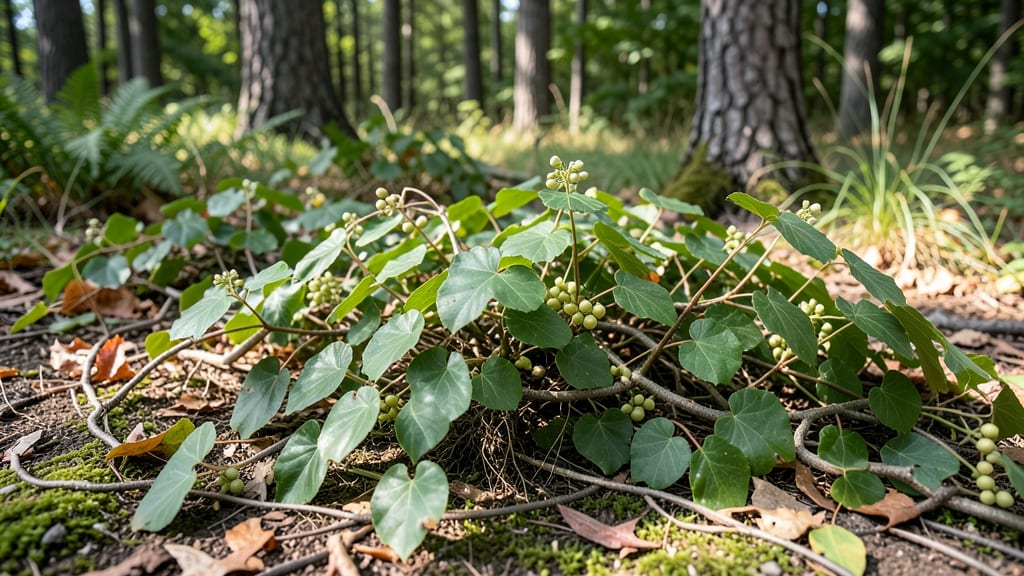
That vine creeping up your tree isn't just an eyesore—it's poison ivy, and letting it climb risks spreading its itchy, blistering rash to your yard. 🌿 I've wrestled with this stubborn plant, and the key to beating it lies in a three-stage removal process that stops regrowth for good.
The first mistake people make? Pulling it by hand without protecting themselves or the tree.
Poison ivy thrives by clinging to trees, sending out roots that strangle branches and spread toxins into the soil. My neighbor's oak nearly lost a limb before we cut it back properly—now it's just a memory.
The secret weapon? Targeting the roots while wearing thick gloves, long sleeves, and goggles (yes, really). Even a tiny broken stem can cause a reaction, so cover up completely.
By following the right steps—starting with manual pruning, then applying vinegar or herbicide to the base, and finally sealing the area—you'll see that vine disappear within 4-6 weeks without coming back.
The tree stays healthy, your skin stays clear, and you avoid the heartache of watching it creep higher each season.
This method works for any tree species, whether it's your prized oak or a young maple. The only tools you'll need are pruners, a spray bottle, and a little patience. Let's get that vine off your tree for good—safely and without the itch.
How poison ivy invades trees
Understanding why poison ivy clings to trees—and how it spreads—is the first step to stopping it. This sneaky vine doesn’t just grow on trees; it strategically takes over them using biological tricks. Here’s why it happens, broken down by the plant’s most effective (and frustrating) methods.
Poison ivy (Toxicodendron radicans) is a woody vine, meaning it lacks its own structural support and relies on trees, fences, or walls for stability. But it’s not just hitching a ride—it’s actively climbing to reach sunlight. Here’s how it does it:
- Rootlike Tendrils (Not Roots): Poison ivy produces aerial rootlets (tiny, hair-like structures) that latch onto rough tree bark.
These aren’t true roots—they’re adhesive anchors that grip crevices and absorb moisture from the air. - Twining Growth Pattern: The vine coils counterclockwise around tree trunks (like a corkscrew) to ascend.
This spiral motion creates tension, helping it scale even smooth surfaces. - Shade Tolerance: Unlike many vines, poison ivy thrives in low-light conditions under tree canopies. It can survive for years in the dark, waiting for a gap in the foliage to burst upward.
💡 Pro Tip: Mature trees with rough, textured bark (like oak or pine) give poison ivy better grip than smooth-barked species (e.g., maple). If your tree is a favorite host, monitor it closely in spring when vines are most aggressive.
Poison ivy doesn’t just climb—it expands horizontally to dominate an area. Its spread is driven by three key factors:
- Rhizomes and Runners: Below ground, poison ivy spreads via underground stems (rhizomes) that can extend 15–20 feet from the original plant.
Even if you remove the vine above ground, these roots can sprout new vines if left intact. - Seed Dispersal: While poison ivy primarily spreads via roots, it also produces white berries that birds eat and deposit elsewhere.
A single berry can start a new infestation miles away. - Physical Damage: Cutting or uprooting poison ivy without treating the roots often triggers regrowth from dormant buds. The plant’s resilience means it will keep coming back unless you eliminate all traces.
⚠️ Warning: Never burn poison ivy—toxic oils (urushiol) can become airborne, spreading the rash-causing compound to your skin, lungs, and even pets. Always use gloves, long sleeves, and proper disposal methods.
A weakened or stressed tree is poison ivy’s dream host. Here’s how tree health plays a role:
| Tree Stress Factor | How It Helps Poison Ivy | How to Prevent It |
|---|---|---|
| Poor Pruning Practices | Over-pruning or wounding bark creates entry points for vines to latch on. | Prune in late winter; seal wounds with pruning sealant. |
| Drought or Root Damage | Stressed roots reduce competition, giving poison ivy more nutrients and space. | Mulch properly and water deeply during dry spells. |
| Dead or Dying Branches | Decaying wood provides moisture and grip for vine tendrils. | Remove deadwood promptly to break the cycle. |
| Competition for Sunlight | Thin canopies (from disease or age) let vines reach higher faster. | Thin trees strategically to improve airflow. |
🔥 Hot Tip: If your tree is already infested, reduce stress by improving soil health (add compost) and avoiding over-fertilization, which can attract more invasive plants.
Poison ivy’s growth isn’t just about biology—weather and seasons play a huge role in its aggression:
- Spring Awakening: Vines sprout from roots and rhizomes in early spring (March–April), often before leaves appear on trees.
This is when they grow fastest—up to 10 feet per year in ideal conditions. - Humidity and Rain: Moisture softens bark, making it easier for tendrils to grip.
After heavy rain, look for new green shoots climbing upward. - Disturbed Soil: Construction, digging, or even foot traffic can expose buried rhizomes, triggering explosive regrowth in disturbed areas.
✨ Prevention Hack: Apply a pre-emergent herbicide (like corn gluten meal) in early spring to starve new shoots before they take hold. For organic control, smother the area with cardboard and mulch to block sunlight.
Eliminate Vine Creepers Naturally
Dealing with poison ivy climbing your trees can feel like a never-ending battle—but it doesn’t have to be. The key is a three-stage approach that targets the roots, stems, and regrowth while keeping your yard (and skin) safe.
Below, we break down the cause-specific fixes, from manual removal to chemical solutions, plus prevention tips to stop it from coming back.
If the vine is young or localized, physical removal is your best first line of defense. Just be cautious—poison ivy’s sap (urushiol) can trigger rashes, so wear long sleeves, gloves, and goggles (yes, really!).
🔪 How to Prune It Properly
- Identify the Main Trunk
- Poison ivy grows in a vining pattern, often with three leaflets (remember: "Leaves of three, let it be!").
- Trace the vine up the tree to find where it attaches—this is your primary target.
- Cut at the Base
- Use clean, sharp pruners (or loppers for thicker vines) to sever the vine at the tree’s trunk.
- Don’t just pull it—this can tear the stem and leave behind regrowth points.
- Bag and Dispose
- Double-bag the cuttings in plastic trash bags (to prevent sap spread) and throw them in the trash—never compost.
- Wash tools with soapy water or rubbing alcohol to remove residual oil.
✨ Pro Tip: If the vine is thick or woody, you may need to cut it in sections and repeat the process over a few days to weaken it fully.
If the vine keeps coming back, it’s rooted deep—time for a chemical knockout. The best options are systemic herbicides (which move through the plant) or vine-specific sprays.
💊 Best Herbicides for Poison Ivy
| Method | Product Example | How to Apply | Safety Notes |
|---|---|---|---|
| Glyphosate (Systemic) | Roundup Concentrate | Spray directly on leaves (avoid tree bark). Reapply after rain. | Wear gloves; avoid windy days. |
| Triclopyr (Vine Killer) | Ortho Poison Ivy Killer | Spray foliage only—avoid overspray on desired plants. | Non-selective; test on a small area first. |
| Natural Option | Vinegar + Dish Soap | Mix 1 gallon white vinegar + 1 oz dish soap, spray fully wet. Repeat weekly. | Less effective; may need multiple apps. |
🔥 Pro Tip: For large infestations, combine cutting + herbicide. After pruning, spray the stump with glyphosate to kill regrowth before it starts.
Even after removal, poison ivy can sprout from roots or seeds. Here’s how to keep it gone for good:
🛡️ Barrier Methods
- Smother It: Cover the base of the tree with cardboard + mulch (3+ inches thick) to block sunlight.
- Vine Barriers: Install metal or plastic tree guards to prevent new vines from climbing.
🌿 Natural Competition
- Plant Ground Covers: Dense hostas, ferns, or clover near the tree’s base starve out poison ivy by competing for space.
- Mow Regularly: Keep grass short and healthy—poison ivy struggles in well-maintained lawns.
🚫 Avoid These Mistakes
- ❌ Burning cuttings (releases toxic smoke).
- ❌ Using bleach on tools (ineffective; soap works better).
- ❌ Leaving stumps unattended (regrowth will happen).
If you (or your pets!) get exposed:
- Wash skin with cold water + soap (within 10 minutes).
- Use calamine lotion or hydrocortisone cream for itching.
- Take oral antihistamines (like Benadryl) for severe reactions.
- See a doctor if blisters or swelling occur.
Before calling it a day, run through this quick checklist to ensure poison ivy stays gone: ✅ Inspect trees every 2 weeks for new growth. ✅ Remove weeds near the tree base (they harbor ivy seeds). ✅ Educate family/pets on avoiding the area. ✅ Reapply herbicide if rain washes it away.
With patience and persistence, you can banish poison ivy for good—no regrowth required! 🚀
Frequently asked questions
Can I remove poison ivy from a tree without chemicals?
Yes, but you must be thorough! First, cut the vine at the base of the tree using pruners and immediately bag the cuttings. Then, apply a homemade solution of 1 gallon white vinegar + 1 oz dish soap to the stump to kill regrowth. Repeat weekly until the vine disappears completely. Always wear gloves and long sleeves—the sap can cause rashes!
How long does it take for poison ivy to regrow after cutting?
If you only cut the vine without treating the roots, new shoots can appear in as little as 2-3 weeks. To prevent regrowth, apply herbicide to the stump or smother the area with cardboard and mulch to block sunlight. Consistency is key—check the tree base every 2 weeks for new growth.
Will removing poison ivy harm my tree?
Not if done correctly! Always cut the vine at the tree’s trunk, never the bark. Avoid damaging the tree’s outer layer, which could invite pests or disease. If the vine is thick, remove it in sections over a few days to minimize stress. Healthy trees recover quickly—just keep an eye on the area for 3-4 weeks afterward.
What’s the best time of year to remove poison ivy?
Late spring or early summer (May-June) is ideal because the vine is actively growing and easier to spot. Avoid winter removal—dormant roots are harder to kill. If you must act in fall, focus on cutting and treating stumps before the first frost to prevent regrowth. Spring is also the best time to apply pre-emergent herbicides to stop new growth.
Can pets or kids accidentally spread poison ivy?
The urushiol oil in poison ivy can cling to fur, shoes, or tools, spreading the rash. Keep pets away from treated areas and wash their paws after outdoor play. For kids, teach them to avoid touching vines and wash hands immediately if they do. Always store tools and gloves in a sealed container after use.