
Pruning
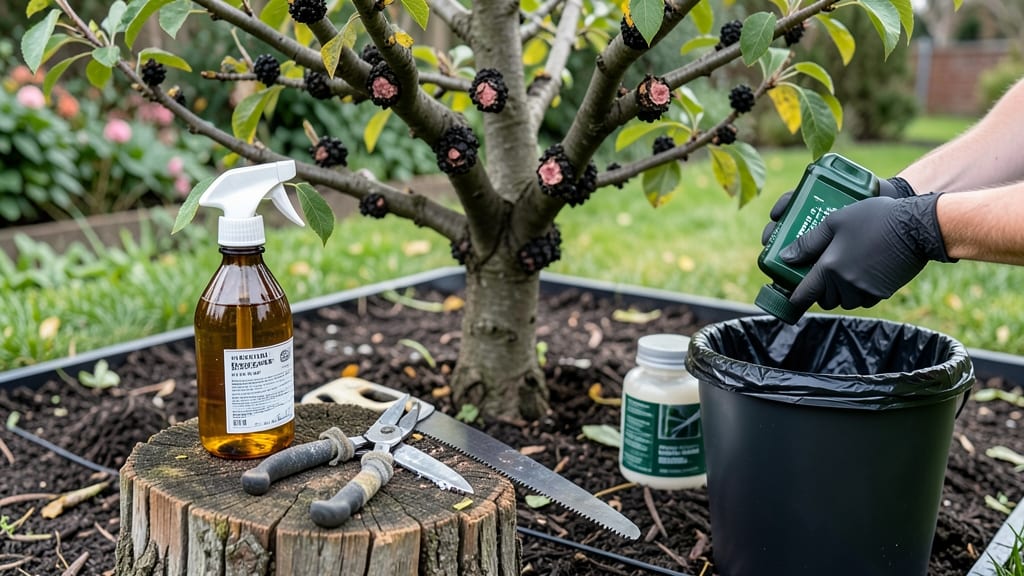
Plum tree black knot treatment turns your fruit tree into a twisted mess—until you prune and spray the right way. 🌿 I’ve seen this ugly fungal growth strangle branches, and the key to saving your tree is acting fast with sharp cuts and targeted treatments. The good news? With the correct timing and tools, you can restore that tree to healthy growth in just one season.
First, you’ll need clean pruners and a 3:1 bleach-water mix to sterilize cuts—this stops the spread. Then, remove infected branches 6 inches below the visible knot, seal the wounds with pruning paint, and apply a fungicide spray (copper-based works best).
The worst part? Waiting until spring to treat means the fungus has already spread. But once you master this routine, your plum tree will bounce back stronger than ever.
By summer, you’ll notice new green shoots where the knots used to be, and next year’s fruit will be plump and disease-free. The secret is consistency: prune in late winter, spray every 4-6 weeks during growing season, and monitor for new growth.
It’s not just about fixing the problem—it’s about giving your tree the care it needs to stay resilient.
Works for all plum varieties, from European plums to Japanese hybrids. The same method even helps with similar fungal issues on cherries and apricots. Here’s how to do it right the first time—no more struggling with a tree that looks like it’s choking on itself.
Root Causes Of Black Knot Disease
Black knot disease is a fungal infection that targets plum trees, causing unsightly, dark, and swollen growths on branches. Understanding the why behind this issue is key to preventing and treating it effectively.
Below, we break down the primary factors that make your plum tree vulnerable to this stubborn fungal foe.
The disease is caused by the fungus Apiosporina morbosa (formerly Dibotryon morbosum), a persistent and aggressive pathogen that thrives in moist, humid conditions. Here’s how it takes hold:
- Spores spread via wind and rain: The fungus produces tiny spores that travel on air currents or splash through rainfall, landing on new branches or wounds.
- Overwintering on infected wood: Even after pruning, old knots or infected branches left on the ground can release spores the following spring.
- Weakened tree defenses: Stressed trees (due to drought, poor soil, or nutrient deficiencies) are more susceptible to infection.
Pro Tip: 💡 Remove all infected branches immediately—don’t leave them in the yard! Burn or dispose of them in sealed bags to prevent spore survival.
Black knot thrives when environmental conditions align in its favor. These factors create the ideal breeding ground:
| Factor | Why It Matters |
|---|---|
| 🌊 High Humidity | Moisture encourages spore germination and fungal growth. Mornings with dew or rainy seasons accelerate outbreaks. |
| 🌡️ Cool Temperatures (50–70°F) | The fungus spreads most aggressively in spring and fall when temperatures are mild but not scorching. |
| 🌧️ Frequent Rainfall | Water splashes spores onto branches, increasing infection rates. Overhead irrigation can mimic this effect. |
Pro Tip: ✨ Improve air circulation around your plum tree by pruning dense foliage and spacing trees properly—this reduces humidity near branches.
A healthy plum tree can resist black knot better, but stress and physical damage create entry points for the fungus. Common triggers include:
- 💧 Drought or Overwatering: Both extremes weaken the tree’s immune system, making it easier for spores to colonize.
- ⚔️ Physical Damage: Pruning cuts, hail, or animal scratches create wounds where spores can land and infect.
- 🌱 Poor Soil Nutrition: Lack of nitrogen, phosphorus, or potassium stresses the tree, reducing its ability to fight off pathogens.
- 🐛 Pest Infestations: Insects like borers or aphids weaken branches, making them prime targets for fungal invasion.
Pro Tip: 🔥 Water deeply but infrequently (1–2 inches per week) and mulch to retain moisture without suffocating roots. Avoid pruning during wet weather to minimize wound exposure.
Even with healthy trees, black knot can persist if proper hygiene isn’t maintained. Here’s how neglect fuels the problem:
- 🗑️ Leaving Infected Debris: Pruned knots or fallen branches harbor spores for years, reinfecting the tree season after season.
- 🪒 Reusing Contaminated Tools: Pruners, saws, or loppers carrying fungal spores can transfer the disease to healthy branches.
- 🌳 Planting Near Infected Trees: Spores can travel up to 50 feet, so isolating plum trees from infected neighbors is critical.
Pro Tip: 🎯 Sterilize tools between cuts with a 10% bleach solution (1 part bleach to 9 parts water) or rubbing alcohol to prevent cross-contamination.
Fixing Black Knot on Plum Trees
Black knot disease may seem daunting, but with the right approach, you can restore your plum tree’s health and prevent future outbreaks. The key is early action—combining pruning, chemical treatments, and proactive care.
Below, we break down cause-specific solutions with step-by-step instructions and prevention tips to keep your tree thriving.
Cause: Fungal spores (Apiosporina morbosa) infect wounds, causing dark, swollen knots. Fix:
- 🔪 Identify and remove knots – Use clean, sharp pruners to cut 6–12 inches below the knot (the fungus spreads into the wood).
- 🌳 Sterilize tools – Wipe pruners with 70% rubbing alcohol or a 10% bleach solution between cuts to prevent spreading spores.
- 🗑️ Dispose of infected wood – Burn or seal knots in a plastic bag (do not compost them).
- 🌿 Thin the canopy – Improve airflow by removing crowded branches, reducing humidity (fungi love damp conditions).
✨ Pro Tip: Prune on a dry, sunny day—wet conditions speed up fungal spread.
Cause: Existing infections or high-risk environments (e.g., rainy springs). Fix:
- 💧 Early spring spray (before buds swell):
- Use a copper fungicide (e.g., Copper Sulfate or Bordeaux Mix) or a fungicide labeled for black knot (like Neem Oil or Myclobutanil).
- Apply when buds are still dormant (late winter/early spring) for maximum protection.
- 🌧️ Post-storm or heavy rain: Reapply fungicide if conditions stay wet for days.
- 🚫 Avoid over-spraying: Focus on trunk, branches, and wounds—don’t drench the entire tree unnecessarily.
💡 Warning: Follow label instructions—some fungicides require protective gear.
Cause: Poor sanitation, weak tree health, or repeated infections. Fix:
| Risk Factor | Prevention Step | When to Do It |
|---|---|---|
| Wounded branches | Seal cuts with pruning paint (optional) | Immediately after pruning |
| Overwatering | Water at base only, avoid wetting foliage | Early morning (allows drying) |
| Debris buildup | Remove fallen leaves/wood from under tree | Fall and spring cleanup |
| Stressed trees | Fertilize with balanced NPK (10-10-10) | Early spring before blooms |
🎯 Golden Rule: A healthy tree fights disease better—mulch with wood chips (not leaves) and avoid heavy nitrogen (which encourages soft, fungus-loving growth).
If 50%+ of branches are infected:
- 🌳 Consider replacement – If the tree is young, removing it may be easier than years of treatment.
- 🔄 Rootstock grafting – For valuable trees, consult an arborist about replacing the top with a resistant rootstock.
- 🛡️ Soil treatment – Apply beneficial fungi (like Trichoderma) to outcompete Apiosporina morbosa in the soil.
🔥 Final Reminder: Black knot is manageable—consistent pruning + fungicide sprays (at the right times) will save your plum tree. Act now, and your tree can bounce back stronger than ever!
Frequently asked questions about plum tree black knot
What do black knot infections look like on plum branches?
Black knot appears as dark, swollen, elongated growths (often 1–6 inches long) that look like twisted black sausages on branches. In early stages, they start as small, raised bumps that darken over time. The infected areas feel hard and woody compared to healthy bark.
Can I save my plum tree if it's heavily infected?
Yes, but aggressive action is required! Remove all infected branches (cut 6–12 inches below the knot) and apply copper fungicide sprays every 4–6 weeks during growing season. For severe cases, consult an arborist about rootstock grafting or replacement if the tree is young.
When is the best time to prune black knot?
Prune during late winter or early spring (before buds swell) when the tree is dormant. Avoid pruning during wet weather—fungal spores spread faster in moisture. Always sterilize tools between cuts to prevent cross-contamination.
Are organic treatments effective against black knot?
Yes! Organic options like copper fungicides (e.g., Bordeaux mix) or neem oil work well when applied preventively (before buds open) and after rain. For existing knots, combine organic sprays with thorough pruning for best results. Consistency is key!
Will black knot spread to other trees in my yard?
Yes, the fungus can spread to nearby plum, cherry, or apricot trees via wind or rain. Isolate infected trees, remove all debris, and sterilize tools. Spores can travel up to 50 feet, so monitor susceptible trees annually for early signs.