
Pruning
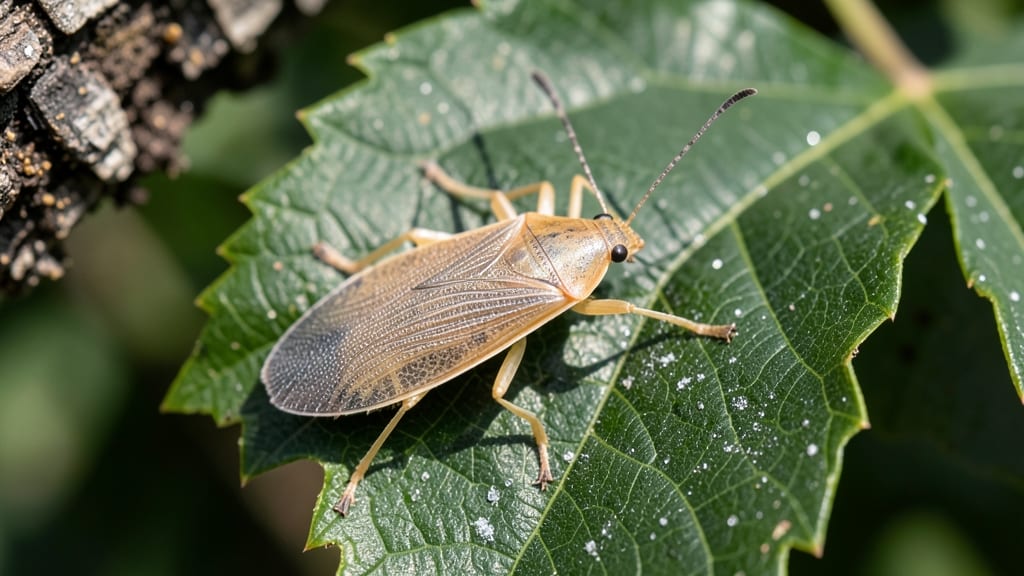
Pecan tree bugs can turn your harvest from golden bounty to bitter disappointment—unless you know how to spot and stop them early. 🌿 I’ve spent years watching pecan trees battle weevils, aphids, and casebearers, and the key to healthy trees isn’t harsh chemicals, but smart, natural strategies that work with nature instead of against it.
The telltale signs are easy to miss until it’s too late: tiny holes in nuts, sticky sap on branches, or leaves that curl like they’re hiding something. These pests don’t just ruin your crop—they weaken the tree over time, making it harder to recover.
The good news? Most infestations can be managed without spraying, using simple tricks like pruning to improve airflow, encouraging beneficial insects, and timing interventions just right.
By the end of this, you’ll know exactly what’s chewing on your pecans, how to tell if it’s a minor annoyance or a full-blown crisis, and the foolproof methods to keep your trees thriving—no fancy gear required.
Your next harvest could be the best yet, with fewer empty shells and more delicious nuts.
Whether you’re dealing with a first-time infestation or trying to prevent one, these solutions work for backyard trees and small orchards alike. Let’s get those pecans growing strong and healthy!
Root Causes Of Tree Infestations
Understanding why pests target pecan trees is key to preventing and managing them effectively. These tiny invaders don’t just appear out of nowhere—they’re drawn by specific conditions that make your trees irresistible. Let’s break down the science behind their behavior and how your tree’s environment plays a role.
Pecan trees, like all plants, rely on a strong immune system to fend off pests. When environmental stress weakens their natural defenses, bugs see an opportunity. Here’s how it happens:
- Drought or Overwatering: Both extremes disrupt a tree’s ability to produce protective compounds. Drought-stressed trees have reduced sap flow, making them easier targets for sap-sucking insects like aphids or pecan aphids.
Meanwhile, overwatered soil can create ideal conditions for fungal growth, which attracts secondary pests like mites or scale insects. - Poor Soil Nutrition: Trees deficient in essential nutrients (especially nitrogen, phosphorus, or potassium) grow slowly and produce weaker leaves and bark.
This makes them more vulnerable to attacks from insects like the hickory shuckworm or pecan weevil, which thrive on stressed, nutrient-poor trees. - Competition for Resources: Overcrowded trees or those competing with weeds for sunlight, water, and nutrients become more susceptible to infestations.
Weak branches or shaded canopies create microclimates that pests love.
💡 Pro Tip: Conduct a soil test every 2–3 years to monitor nutrient levels. Amend soil with compost or organic fertilizers to boost tree resilience naturally.
Some bugs don’t just visit—they set up shop. Pecan trees provide the perfect habitat for certain pests when conditions align:
- Warm, Humid Climates: Many pecan tree pests, such as the pecan nut casebearer or spotted tentiform leafminer, thrive in warm, humid environments.
These conditions accelerate their life cycles, leading to faster reproduction and larger infestations. - Mature Trees with Thick Canopies: Older pecan trees with dense foliage offer shelter and moisture retention, creating ideal hiding spots for pests like stink bugs or hickory horned devils.
The thick canopy also slows down natural predators, giving bugs a competitive edge. - Standing Water or Debris: Pecan orchards with poor drainage or accumulated leaf litter provide breeding grounds for pests like Japanese beetles or squash bugs, which lay eggs in moist soil or decaying organic matter.
🌡️ Actionable Fix: Improve drainage in your orchard by grading soil or installing French drains. Remove fallen leaves and debris regularly to disrupt pest life cycles.
Pecan trees aren’t just food sources—they’re part of a delicate ecosystem. When the balance of natural predators tips, pest populations explode:
- Overuse of Broad-Spectrum Pesticides: Chemicals that kill pests also wipe out their natural predators, like ladybugs, lacewings, or parasitic wasps. Without these allies, pests reproduce unchecked.
For example, aphids thrive when their natural enemies (like ladybugs) are eliminated. - Monoculture Plantings: Large pecan orchards with little biodiversity lack the variety of plants that support diverse predator populations.
A single crop becomes a buffet for pests with no checks and balances. - Seasonal Shifts: Some predators, like praying mantises or spiders, are more active during certain seasons.
If pecan trees flower or produce nuts during off-seasons for these predators, pests can go unchecked until it’s too late.
✨ Eco-Friendly Solution: Introduce beneficial insects or plants that attract predators, such as dill, fennel, or marigolds, to create a pest-resistant ecosystem.
Not all pecan trees are equally appealing to pests. Some varieties are naturally more resistant, while others are like all-you-can-eat buffets:
- Susceptible Varieties: Certain pecan cultivars, such as ‘Desirable’ or ‘Western Schley’, are more prone to specific pests like the pecan weevil or hickory shuckworm due to their thin shells or high oil content. - Young Trees: Saplings and young pecan trees have tender bark and leaves, making them easy targets for borers, aphids, or mites.
Their small size also limits their ability to recover from damage. - Overripe or Damaged Fruit: Pecans that are cracked, bruised, or left on the tree too long attract weevils and nut casebearers, which lay eggs in the vulnerable fruit.
🎯 Prevention Tip: Choose pest-resistant pecan varieties like ‘Pawnee’ or ‘Elliot’ if you’re planting new trees. Harvest pecans promptly to avoid overripe fruit becoming a pest magnet.
Understanding these root causes empowers you to address the why behind infestations—so you can tackle the how with targeted, natural solutions.
Practical fixes for tree pests
When pesky invaders threaten your pecan tree’s health, swift action can save your harvest—and your sanity! Below are targeted, eco-friendly solutions tailored to common culprits, from sap-sucking insects to voracious larvae. Each fix includes step-by-step instructions and prevention tips to keep your tree thriving naturally.
These sap-feeding pests weaken trees by draining nutrients, leaving behind sticky honeydew that attracts mold. Act fast with these methods:
🍳 Manual Removal (Best for Early Infestations)
- Inspect leaves & branches 🔍—Look for clusters of tiny, cottony masses (mealybugs) or shiny, shell-like bumps (scale).
- Dab with rubbing alcohol 🧴—Use a cotton swab dipped in 70% isopropyl alcohol to wipe off bugs. Pro tip: Repeat weekly until gone.
- Prune heavily infested branches ⏰—Trim and dispose of affected limbs in sealed bags (don’t compost!).
🌿 Natural Sprays (Organic & Effective)
- Neem oil spray 🌿: Mix 1 tbsp neem oil + 1 tsp mild soap + 1 quart water. Spray early morning or evening (avoid direct sun). Reapply every 5–7 days.
- Insecticidal soap 🧼: Spray directly on bugs (not just leaves).
Test on a small branch first to avoid leaf burn. - Horticultural oil ❄️: Apply in dormant season (late winter) to smother eggs and adults.
🐝 Encourage Beneficial Predators
- Ladybugs & lacewings 🐞: Buy eggs or adults from garden centers and release near infested areas. They love aphids!
- Parasitic wasps 🔬: Tiny but mighty—these wasps lay eggs inside mealybugs, killing them naturally.
💡 Prevention Tip:
- Prune for airflow 🌬️—Thin dense branches to reduce hiding spots.
- Apply kaolin clay 🏺—This white, non-toxic clay repels soft-bodied pests and reflects sunlight (stressing bugs).
These beetles drill into pecans, causing wormy, inedible nuts. Break their life cycle with these tactics:
🔪 Trap Crops & Physical Barriers
- Set up pheromone traps 🎣—Place pecan nut curculio traps (available at garden stores) in early summer to catch males before mating.
- Wrap tree trunks 🏗️—Use tree collars (cardboard or plastic) coated with Tanglefoot to block adult weevils from climbing.
- Shake & collect 🌪️—When nuts are half-grown, shake branches over a tarp and hand-pick fallen weevils.
🌡️ Heat & Cold Treatments
- Hot water treatment 🔥: Soak harvested pecans in 110°F water for 30 minutes to kill larvae (use before drying).
- Freeze infested nuts ❄️: Store suspect pecans in the freezer for 48 hours to kill weevil eggs.
🌱 Soil & Mulch Management
- Remove leaf litter 🍂—Weevils overwinter in debris. Rake up fallen leaves in fall and spring.
- Use diatomaceous earth 🏖️—Sprinkle food-grade DE around the tree base (reapply after rain).
💡 Prevention Tip:
- Harvest early ⏰—Pick pecans 2–3 weeks before they fully mature to catch curculios before they lay eggs.
- Plant trap crops 🌱—Grow sunflowers or corn nearby to distract pests from your pecan tree.
These tiny pests stunt growth by sucking sap and leaving webbing. Combat them with these stealthy moves:
🌿 High-Pressure Spray (Blast Them Away)
- Use a hose nozzle 💦—Spray forceful water jets on undersides of leaves to knock off mites/whiteflies.
- Repeat every 3–4 days until populations drop.
🧴 Oil & Soap Combos
- Mix 1% horticultural oil + insecticidal soap 🧴—Spray evenly, including leaf undersides. Avoid when temps exceed 90°F.
- Reapply after rain 🌧️—These sprays wash off quickly.
🌿 Reflective Mulch Trick
- Lay aluminum foil or silver plastic mulch 🎉 around the tree base—reflects sunlight, confusing and repelling pests.
💡 Prevention Tip:
- Keep trees hydrated 💧—Drought-stressed trees attract more mites. Water deeply 1–2 times per week.
- Introduce predatory mites 🕷️—Release Phytoseiulus persimilis (a mite-eating mite) for long-term control.
Healthy trees resist pests naturally. Strengthen your pecan tree with these proactive steps:
| Action | How to Do It | When to Do It |
|---|---|---|
| Fertilize | Use balanced organic fertilizer (10-10-10) | Early spring & fall |
| Mulch properly | 3-inch layer of wood chips, keep 6" from trunk | Spring after planting |
| Monitor regularly | Weekly inspections with a magnifying glass | Spring through fall |
| Encourage biodiversity | Plant native flowers & herbs (e.g., dill, fennel) | Year-round |
🎯 Final Pro Tip:
- Rotate treatments 🔄—Pests adapt! Alternate between neem oil, insecticidal soap, and manual removal to prevent resistance.
By tackling pests early and holistically, your pecan tree will stay strong—and your harvest will be plump, pest-free, and delicious! 🌳💚
Frequently asked questions
What are the most destructive bugs for pecan trees?
The worst offenders include pecan weevils (which bore into nuts), nut casebearers (larvae that hollow out kernels), and aphids (which sap nutrients and spread disease). Early detection is key—look for holes in nuts, curled leaves, or sticky honeydew on branches.
How do I tell if my pecans are infested before harvesting?
Shake a few nuts onto a white towel—if you see tiny holes, larvae, or webbing, your crop is compromised. Also check for frass (insect droppings) inside cracked pecans. Harvesting 2-3 weeks early can sometimes outpace weevil egg-laying.
Can I use homemade sprays on my pecan tree?
Yes! A neem oil spray (1 tbsp oil + 1 tsp soap per quart of water) works well for aphids and mites. For weevils, try kaolin clay (food-grade) mixed with water—it creates a barrier that repels insects. Always test sprays on a small branch first.
Will pruning help control pecan tree pests?
Prune in late winter to remove dense, shaded branches that pests love. Thin the canopy to improve airflow and sunlight penetration, which makes the tree less hospitable to insects. Dispose of pruned branches in sealed bags.
Are there any natural predators that help with pecan tree bugs?
Yes! Ladybugs, lacewings, and parasitic wasps are your best allies. Plant dill, fennel, or marigolds nearby to attract them. You can also purchase beneficial insect eggs from garden centers. These predators will hunt pests like aphids and mealybugs naturally.