
Blooming
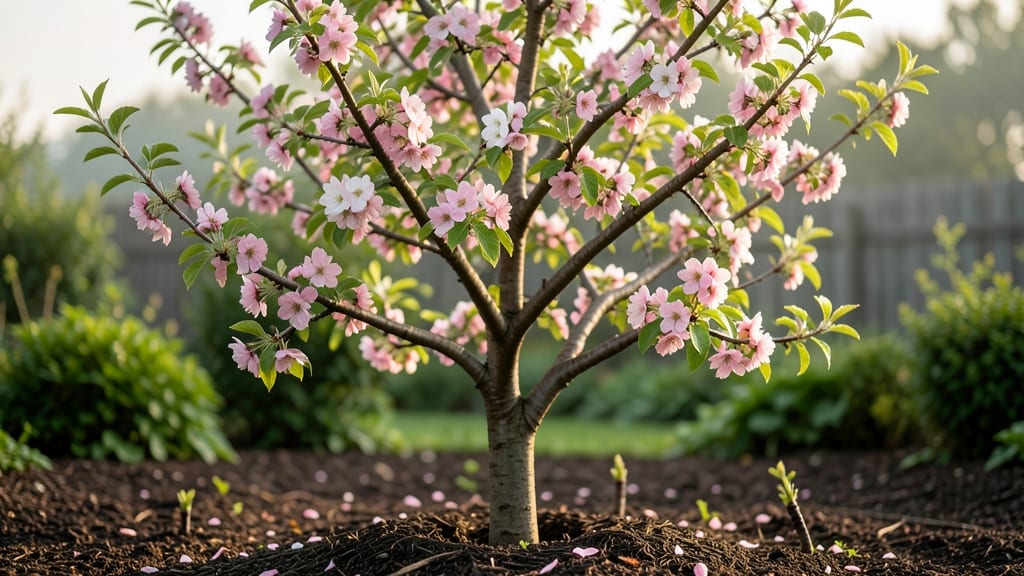
Peach tree blossom time transforms your yard into a fragrant pink cloud that lasts just two glorious weeks—if you're lucky. 🌸 I still remember the first time my peach tree burst into bloom: the air smelled like cotton candy, and every branch sagged under the weight of delicate petals.
But timing matters—miss the window, and you could lose both the flowers and the fruit. Most peach trees bloom in late March to early April, but your exact timing depends on variety and climate.
Early bloomers like 'Redhaven' open petals as soon as soil warms to 50°F, while late bloomers like 'Elberta' wait until mid-April. Warmer regions (Zones 7-9) see blossoms 2-3 weeks earlier than colder areas—so check your local frost dates.
What happens next is pure magic: those blossoms turn into juicy fruit in 100-120 days, but only if you protect them. A late frost can wipe out flowers before they pollinate, while pests like peach tree borers lurk in the bark.
Prune dead wood now, and keep an eye out for those telltale signs of trouble. The secret to extending bloom time? Plant two compatible varieties for cross-pollination and choose a spot with full sun and well-draining soil.
With the right care, your tree will reward you with years of pink perfection—and the best peaches you’ve ever tasted.
📚 In This Guide
- What you need
- Instructions
- Tips and common mistakes
- Wrapping up and next steps
What you need
- ● Camera or smartphone: A DSLR with a macro lens (50mm or 100mm) for crisp details, or a high-quality smartphone with a good camera (e.g., iPhone 13+, Google Pixel 7+).
- ● Tripod: Lightweight but sturdy (e.g., Manfrotto Pixi or Joby GorillaPod) for low-light or long-exposure shots.
- ○ External flash or reflector: Optional but helpful for soft lighting (e.g., Neewer 10-inch reflector kit).
- ● Lens cleaning kit: Microfiber cloth and lens wipes to keep your gear pristine.
- ● Waterproof bag: For protecting gear during outdoor shoots (e.g., Peak Design Everyday Backpack).
- ● Pruning shears: Bypass pruners (e.g., Felco F2) for safe trimming of spent blossoms.
- ● Gloves: Lightweight gardening gloves to protect hands from thorns or sap.
- ● Bucket or vase: A large bucket (5+ gallons) for cutting branches or a decorative vase for indoor arrangements.
- ● Scissors or secateurs: Sharp pruners (e.g., Corona Tools) for clean cuts.
- ○ Citrus or floral preservative: Optional (e.g., Floralife) to extend blossom life in arrangements.
- ● Picnic blanket or chair: For comfortable viewing or sketching under the tree.
- ● Sketchbook & colored pencils: If you’re inspired to draw the blossoms!
- ● Portable speaker: For a serene soundtrack (think acoustic or nature sounds).
- ● Insect repellent: Lightweight spray to keep bugs at bay during outdoor sessions.
- ● Cooling towel or hat: Spring weather can be unpredictable—stay prepared!
How to maximize your peach tree's blossom season
Here's how I ensure my peach tree puts on a fragrant spring show every year.
🌱 Step 1: Prune for Optimal Flowering Structure
Start pruning in late winter, just before buds swell but before they break dormancy. Remove any dead, diseased, or crossing branches first—they steal energy from blossoms. I look for branches growing inward or rubbing against others and cut them cleanly at a 45-degree angle, about ¼ inch above an outward-facing bud.
Open the center of the tree by removing about 20% of the oldest wood—this improves airflow and sunlight penetration, which both boost blossom production. Avoid heavy pruning if your tree is young or struggling; focus on shaping rather than thinning. You'll notice the remaining branches have more space to develop strong flower clusters.
☀️ Step 2: Provide Perfect Spring Conditions
Peach trees need 60-80°F daytime temperatures and 50-60°F nights for ideal blossoming. If your spring is unusually cold, cover young trees with frost cloth on nights below 32°F—buds can't tolerate freezing. I also monitor soil moisture; it should stay consistently damp but not soggy during bloom time.
Position the tree where it gets 6-8 hours of sunlight daily. Partial shade can reduce blossom quality, and full shade often prevents fruit set entirely. Watch for signs of stress like wilting leaves or brown blossoms—these indicate either too much heat or insufficient water during critical bloom stages.
💧 Step 3: Fertilize for Vibrant Blooms
Apply a balanced 10-10-10 fertilizer in early spring, just as buds begin to swell. I spread about ½ pound per 100 square feet of root zone area, working it gently into the top 2-3 inches of soil. Avoid high-nitrogen fertilizers—they encourage leafy growth at the expense of flowers.
For established trees, a light top-dressing of compost in late winter also works wonders. You'll see the difference in blossom color and fragrance within weeks. If your tree looks pale or sparse, it might need micronutrients—try a chelated iron supplement for a quick boost.
✂️ Step 4: Thin Blossoms for Better Fruit Development
Once blossoms appear, thin clusters to 4-6 blooms per spur (the small branch segments where flowers form). This prevents overcrowding and ensures larger, healthier fruit. I remove excess blooms by gently twisting them off rather than cutting—this avoids damaging the delicate spurs.
Watch for signs of pests like aphids or mites during bloom time. A strong spray of water can dislodge many pests, but for persistent infestations, use neem oil in the evening when bees are less active. Healthy blossoms will open fully and emit that classic peach tree fragrance—this is your signal everything is on track.
🌿 Step 5: Protect Blooms from Late Frosts
Peach blossoms are extremely frost-sensitive. If a late frost is forecasted, cover the tree with row covers or frost blankets the night before. Secure the edges tightly to prevent wind damage. I also recommend having a fan on hand—gentle airflow can raise temperatures by 2-3°F around the tree.
Remove covers as soon as temperatures rise above 32°F to avoid overheating the tree. If blossoms are already damaged, don't panic—some fruit will still develop, though yields may be smaller. The key is preventing complete loss of the season's potential.
Tips & tricks for perfect peach tree blossom time
Real talk: Even the most experienced gardeners sometimes miss the subtle cues that turn a good peach tree into a fragrant masterpiece. Here's what I've learned after years of trial and error.
Pruning Precision: When you're pruning in Step 1, focus on removing branches that are thinner than a pencil—they're energy vampires that drain resources from blossom production. I also recommend using sharp, clean pruners to make cuts that heal faster. The goal is to create an open vase shape that lets sunlight reach the center where most blossoms form. If you're unsure which branches to remove, imagine the tree as a sculpture—you want to highlight its natural beauty while improving airflow.
Temperature Timing: Those 60-80°F daytime temperatures in Step 2 are non-negotiable for optimal blooming. I've found that using a maximum-minimum thermometer near the tree helps track nighttime lows more accurately than weather reports. If your spring is unpredictable, consider planting a second tree in a slightly different microclimate—this way, you'll have at least one reliable bloomer. The 2-3°F temperature boost from a fan during frost warnings can make all the difference between a full bloom and a disappointing show.
Fertilizer Strategy: For Step 3, I've discovered that applying fertilizer in two stages works better than one. Spread half the ½ pound per 100 square feet of 10-10-10 when you prune, then apply the rest just as buds begin to swell. This two-step approach prevents nutrient burn while ensuring the tree has everything it needs for peak blossoming. And if you notice yellowing leaves after fertilizing, it's a sign you've overdone it—flush the soil with water immediately to prevent damage.
Bloom Maintenance: In Step 4, when thinning blossoms to 4-6 per spur, pay special attention to the health of each individual bloom. Remove any that look wilted, discolored, or have signs of pest damage—these won't develop into quality fruit anyway. I've also found that the best time to thin is on a cool morning when the blossoms are fully open and easy to assess. This careful selection process ensures you're investing your tree's energy in the healthiest potential fruit.
Pro Tips for Peach Tree Blossom Time
- Real talk: Even the most experienced gardeners sometimes miss the subtle cues that turn a good peach tree into a fragrant masterpiece.
- Pruning Precision: When you're pruning in Step 1, focus on removing branches that are thinner than a pencil—they're energy vampires that drain resources from blossom production.
- Temperature Timing: Those 60-80°F daytime temperatures in Step 2 are non-negotiable for optimal blooming.
Frequently asked questions
Got questions about peach tree blossom time? You’re not alone! Here are some of the most common queries—and their answers—to help you make the most of this fragrant spring spectacle.
When is the best time to see peach tree blossoms?
Peach tree blossoms typically bloom in late winter to early spring, depending on your climate. In warmer regions (Zones 7-9), expect blooms as early as February, while cooler areas (Zones 3-6) may see them in March or April. Check your local frost dates—late frosts can damage blossoms, so timing matters!
How long do peach tree blossoms last?
Peach blossoms are ephemeral—they usually last 7 to 14 days in full bloom, with petals falling within a few weeks. For the best experience, plan visits during peak bloom, which often coincides with early morning when fragrance is strongest.
Will peach blossoms turn into fruit?
Not all blossoms become fruit! Only 1-5% of blossoms typically develop into peaches due to pollination needs, weather, or pests. To boost your chances, plant two or more varieties nearby for cross-pollination. Bees love peach blossoms—so do you!
Why aren’t my peach tree blossoms opening?
Blossoms might stay closed or drop early due to cold snaps, drought, or poor pollination. Check for:
- Frost damage: Delicate blossoms can’t handle temps below 28°F (-2°C).
- Drought stress: Keep soil consistently moist (but not soggy) before and during bloom.
- Lack of pollinators: Invite bees with native plants or hand-pollinate with a soft brush.
Can I prune my peach tree during blossom time?
Prune after blooming (late spring) to avoid stressing the tree. However, you can remove:
- Dead or diseased branches at any time.
- Suckers or water sprouts (thin growth from the base).
Wrapping up and next steps
Peach tree blossom time is a breathtaking reminder of nature’s beauty and renewal—so don’t miss your chance to witness (or even cultivate!) this magical moment.
Whether you’re admiring the delicate pink petals, planning a garden project, or simply soaking in the spring air, this season is all about celebration. Now’s the perfect time to take action: visit a local orchard, plant your own tree, or share the joy with friends by gifting fresh peach blossoms. 🌸✨
- Ready to dive deeper? Explore our gardening tips or seasonal care guides to make the most of blossom time!