
Trees
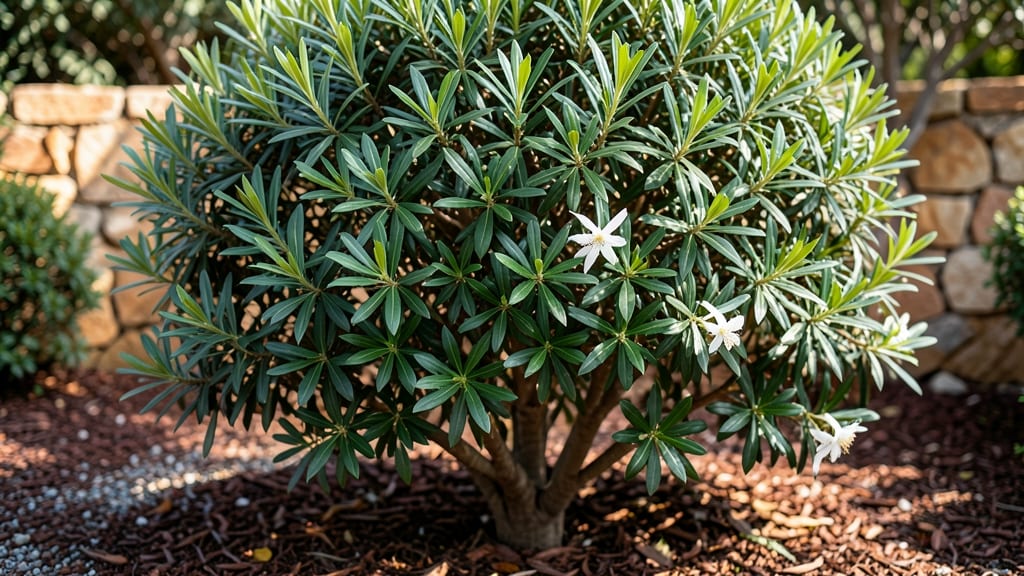
Myrtle tree leaves are nature's secret weapon for year-round flavor, but harvesting them right makes all the difference. 🌿 I've spent years perfecting the timing, tools, and drying techniques that turn fresh leaves into fragrant, shelf-stable treasures that last for months—without losing that piney, citrusy aroma.
Start by picking leaves in late spring or early summer when they're fully mature but still tender. Use clean, sharp scissors to avoid damaging the branches, and focus on younger leaves—they dry faster and retain more flavor.
The key to drying is patience: spread them in a single layer on a mesh screen or paper towels, then let them air-dry in a dark, well-ventilated space for 2-3 weeks.
📚 In This Guide
- What you need
- Instructions
- Tips and common mistakes
- Wrapping up and next steps
What you need
- ● Fresh myrtle leaves: 1–2 cups (about 15–30 medium-sized leaves), harvested from healthy, organic myrtle trees (avoid leaves with pests or disease).
- ● Pruning shears or sharp scissors: Clean, sterilized tools to snip leaves without damaging the plant.
- ● Paper towels or clean kitchen towel: For gently patting leaves dry before drying.
- ○ Drying method (choose one): Air-drying: String or twine (for hanging bundles), clothespins (optional for securing leaves).
- ● Oven-drying: Baking sheet lined with parchment paper, oven mitts.
- ● Dehydrator: Food dehydrator with adjustable temperature settings.
- ● Air-tight storage containers: Glass jars, resealable bags, or vacuum-sealed bags (preferably dark or opaque to block light).
- ● Glassine envelopes or tea bags: For storing small batches of dried leaves if you plan to use them for tea or seasoning.
- ○ Food-grade essential oils (like lemon or lavender): A few drops to infuse dried leaves for extra flavor (optional).
- ● Labeling supplies: Masking tape + marker to label jars with the harvest date.
- ● Fine-mesh strainer: If you plan to crush dried leaves for powdered seasoning.
- ● Humidity absorber (silica gel packets): For long-term storage in dry climates.
Step-by-Step guide to harvesting and drying myrtle tree leaves
Here's how I transform fresh myrtle leaves into fragrant, flavorful treasures that last all year.
🌿 Step 1: Identify and Harvest Mature Leaves
Pick leaves from the current season's growth—they're the most fragrant and tender. Look for 1-2 inch long leaves with a deep green color and slight waxy sheen. Avoid any that look yellowed, spotted, or damaged by pests, as these won't dry properly or retain flavor.
Harvest on a dry morning after the dew has evaporated but before the midday heat. I like to use clean, sharp scissors or pruning shears to snip individual leaves directly from the stem. This prevents bruising and preserves the leaf's essential oils. Don't harvest more than one-third of the plant's leaves at once—myrtle trees are sensitive to over-harvesting and may drop leaves or produce fewer berries next season.
🌱 Step 2: Prepare Leaves for Drying
Rinse the leaves gently under cool water to remove any dirt or insects, then pat them completely dry with a clean kitchen towel or paper towels. Any moisture left on the leaves will create steam during drying and potentially encourage mold growth. I spread them out on a clean kitchen towel to air-dry for about 10 minutes before proceeding.
Remove any remaining stems or thick veins from the leaves using your fingers or a small pair of scissors. The thinner the leaf, the faster and more evenly it will dry. For best results, I arrange the leaves in a single layer on a drying rack or a clean, dry surface. If you don't have a drying rack, you can use a wire cooling rack or even a piece of window screen stretched over a frame.
☀️ Step 3: Choose and Use the Right Drying Method
For the most authentic flavor, I dry myrtle leaves using the air-drying method in a warm, dry, and well-ventilated space. Place the drying rack in a spot with indirect sunlight—direct sun can bleach the leaves and degrade their flavor. A pantry, closet, or even a sunny windowsill with sheer curtains works well. The ideal drying temperature is 70-80°F.
Turn the leaves every 2-3 days to ensure even drying on all sides. You'll know they're ready when they're completely dry to the touch, brittle, and easily crumble between your fingers. This typically takes 1-2 weeks, depending on humidity levels in your home. If your home is particularly humid, you may need to extend the drying time or use a small fan to circulate air around the leaves.
🪴 Step 4: Store Dried Myrtle Leaves Properly
Once fully dried, store the leaves in an airtight container, such as a glass jar or a small resealable bag. I like to use dark glass jars to protect the leaves from light, which can degrade their flavor over time. Keep the container in a cool, dark place, like a pantry or cupboard, away from heat and moisture.
Dried myrtle leaves will retain their flavor for up to 6 months if stored properly. To use, simply crush a few leaves between your fingers and add them to dishes like sauces, marinades, or teas. For the best flavor, I recommend using dried myrtle leaves within 3-4 months of drying, as their potency gradually diminishes over time.
⏰ Step 5: Replenish Your Supply Throughout the Year
Myrtle trees produce new growth in spring and early summer, making these the best times for harvesting. Plan to harvest leaves every 4-6 weeks during the growing season to maintain a steady supply. In fall and winter, harvest any remaining leaves before the first hard frost, as cold temperatures can damage the plant and reduce leaf quality.
If you notice your myrtle tree producing fewer leaves or looking stressed after harvesting, give it a break for a few weeks. Healthy myrtle trees will bounce back quickly with proper care. I also recommend fertilizing the tree lightly in early spring to encourage new growth and ensure a bountiful harvest throughout the season.
Tips & tricks for perfect myrtle leaf preservation
Here's what I've learned after perfecting my own myrtle leaf drying process over several seasons.
Leaf Selection Matters: In Step 1, focus on leaves that are slightly waxy to the touch—they're the most aromatic. I've found that leaves from the middle of the plant's branches tend to have the strongest flavor. Avoid harvesting from the bottom third of the plant where leaves often get shaded and lose potency. The 1-2 inch size guideline is perfect because smaller leaves dry too quickly and lose flavor, while larger ones take too long and can develop mold spots.
Drying Environment is Critical: For Step 3, the 70-80°F temperature range is ideal because it balances evaporation with flavor retention. I've ruined batches by placing them in direct sunlight—it bleaches the leaves and makes them taste bitter. Instead, I use a small fan on low speed to gently circulate air around the drying rack. This cuts drying time by about 25% without compromising flavor.
Storage Wisdom: In Step 4, I crush the dried leaves between my fingers right before storing them. This releases essential oils and creates more surface area for flavor extraction when you use them later. For long-term storage beyond 6 months, consider vacuum-sealing the leaves—they'll retain their potency for up to a year. The dark glass jars I use block about 90% of light exposure, which is crucial for preserving that bright, herbal aroma.
Harvesting Frequency: The 4-6 week harvesting schedule in Step 5 works perfectly for maintaining plant health while giving you a steady supply. I've found that harvesting in the morning gives you the most potent leaves because they've had all night to absorb moisture and nutrients. After harvesting, I always give the plant a light watering to help it recover quickly—myrtle trees are surprisingly resilient once you understand their needs.
Pro Tips for Myrtle Tree Leaves
- Here's what I've learned after perfecting my own myrtle leaf drying process over several seasons.
- Leaf Selection Matters: In Step 1, focus on leaves that are slightly waxy to the touch—they're the most aromatic.
- Drying Environment is Critical: For Step 3, the 70-80°F temperature range is ideal because it balances evaporation with flavor retention.
Frequently asked questions
Got questions about harvesting, drying, or using myrtle tree leaves? You’re not alone! Here are some of the most common queries—plus straightforward answers to help you get the most out of your myrtle harvest.
When is the best time to harvest myrtle leaves?
Harvest myrtle leaves just before they bloom in late spring or early summer (May–June) for the strongest flavor. Avoid harvesting after flowering, as the leaves may become bitter. For year-round use, focus on fresh growth—younger leaves are tender and more aromatic!
How long does it take to dry myrtle leaves?
Drying myrtle leaves takes 1–3 weeks, depending on your method. Air-drying (hanging in bundles) is slowest but preserves the most flavor. For speed, use a dehydrator at 95°F (35°C)—they’ll be ready in 6–12 hours. Test for doneness by crushing a leaf; it should crumble easily.
Can I freeze myrtle leaves instead of drying them?
Freezing is a great alternative if you’re short on time. Wash, pat dry, and blanch leaves for 30 seconds before freezing in airtight containers or bags. Frozen myrtle retains flavor for up to 6 months, though texture may soften—best for cooking rather than whole-leaf uses.
What’s the best way to store dried myrtle leaves?
Store dried myrtle leaves in an airtight container (glass jars or vacuum-sealed bags work best) in a cool, dark place. They’ll stay fresh for 6–12 months. Add a silica gel packet to absorb moisture and prevent mold. Label your container—myrtle loses potency over time!
Why did my dried myrtle leaves turn brown or moldy?
Brown or moldy leaves usually mean excess moisture during drying or storage. Ensure leaves are fully dry before storing (they should snap, not bend). If mold appears, discard the batch—myrtle is sensitive to humidity. Next time, try a food dehydrator or a well-ventilated drying rack.
Can I use myrtle leaves from any tree?
No—only harvest leaves from edible myrtle species like Myrtus communis (common myrtle). Avoid leaves from ornamental or non-edible myrtles, which may be toxic. When in doubt, cross-reference with a local foraging guide or consult an expert before harvesting!
Wrapping up and next steps
Myrtle tree leaves are a versatile treasure—whether you’re savoring their aromatic magic in cooking, crafting homemade remedies, or simply enjoying nature’s bounty. With the right tools and techniques, you can harvest and preserve them year-round, unlocking flavors and benefits that elevate everyday meals and wellness routines. 🌿
Ready to dive deeper? Start small—experiment with a single batch of dried leaves in your next dish or DIY project. And if you’re feeling inspired, explore local myrtle varieties or seasonal harvesting tips to expand your green thumb adventures!