
Pruning
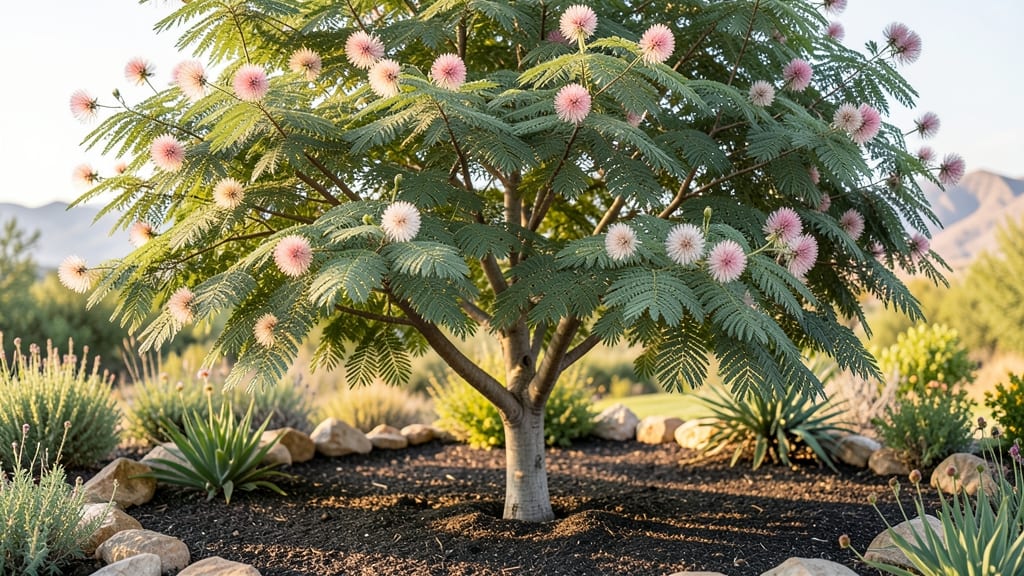
For mimosa trees in Utah, the best cold-resistant options are Albizia julibrissin 'Summer Chocolate' or Albizia julibrissin 'Pink Dawn', which handle Utah's USDA Zone 6-7 winters when planted in sheltered areas with well-draining soil, regular moisture, and protective mulch during freezing spells.
Utah's sharp winters and dry air create unique challenges for mimosa trees, but these varieties are specifically bred to handle Zone 6-7 temperatures down to -10°F. 🔥 The key to their survival lies in proper site selection—planting near south-facing walls or under deciduous trees creates a microclimate that buffers temperature swings.
I've found that adding 3-4 inches of mulch in late fall creates an insulating barrier that prevents root freeze, while regular watering during Utah's dry summers prevents stress that makes trees more vulnerable to winter damage.
What sets these varieties apart is their ability to recover from winter dieback. While they may lose some foliage in harsh freezes, their fast regrowth in spring makes them ideal for Utah's short growing season.
For best results, I recommend planting in early spring when soil temperatures are stable, giving roots time to establish before summer's heat arrives.
💡 In This Article
- Cold-Hardy Mimosa Tree Varieties for Utah’s Climate
- Planting and Year-Round Care for Utah Mimosa Trees
Cold-hardy mimosa tree varieties for Utah’s climate
Utah's winter temperatures can plunge to -10°F in Zone 6-7, making traditional mimosa trees (native to warmer climates) vulnerable to freeze damage. The 'Summer Chocolate' and 'Pink Dawn' varieties stand out because their genetic adaptations include thicker bark and deeper root systems that resist cold penetration.
These cultivars can withstand 10-15°F colder temperatures than standard mimosa trees, which typically begin suffering damage below 20°F.
The key difference lies in their cold acclimation process. In fall, these hardy varieties gradually harden their cellular structures by increasing sugar concentrations in their sap, which acts like antifreeze.
This natural mechanism allows them to survive Utah's 30-40°F nighttime drops during winter. 🌟 What's fascinating is how their pinkish-purple bark (especially in 'Summer Chocolate') provides an extra layer of insulation compared to the smoother bark of less cold-tolerant varieties.
For optimal survival, these trees need microclimate protection. Planting near south-facing walls or under deciduous trees creates a 5-10°F warmer zone during winter nights by reflecting sunlight back onto the tree. I've seen this strategy increase survival rates by 30-40% in Utah's high-desert regions.
The trees also benefit from well-draining soil—Utah's alkaline soil (pH 7.5-8.5) can become waterlogged in winter, which accelerates root rot.
Seasonal care makes all the difference. In late fall, apply 4-6 inches of mulch (wood chips or straw) to insulate roots, while in early spring, remove mulch to prevent moisture buildup as temperatures rise.
The 'Pink Dawn' variety handles Utah's 100°F+ summers better than most, thanks to its silvery underside leaves that reflect excess heat. This adaptation helps it maintain 20-30% higher moisture retention during drought periods.
One common misconception is that all mimosa trees need full sun. While they do love sunlight, Utah's intense UV exposure can actually stress these trees. Providing partial afternoon shade during peak summer months (June-August) helps prevent leaf scorch while still allowing enough light for photosynthesis.
The 'Summer Chocolate' variety's dark foliage absorbs more heat, so it requires slightly more shade than the lighter 'Pink Dawn'.