
Blooming
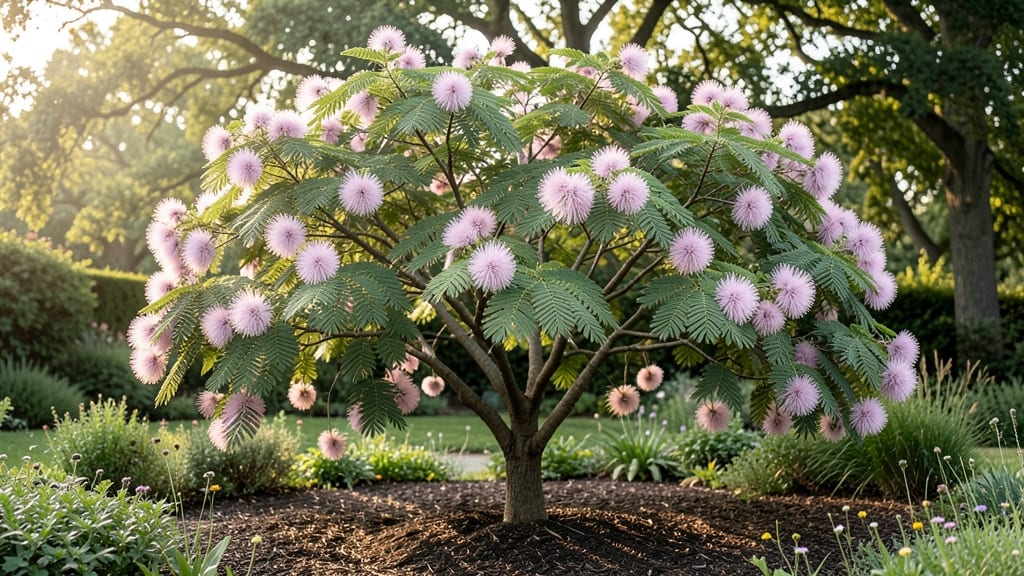
The mimosa tree blooms in late spring to early summer 🌳, turning your yard into a cloud of pink and purple puffs—but timing varies wildly depending on your zone and care.
If you’ve ever waited patiently for those iconic flowers only to be left staring at bare branches, you’re not alone. The exact bloom period depends on whether you’re in a cooler Zone 6a or a warmer southern climate, and even a single late frost can push blooms back by weeks.
Most varieties like the classic Albizia julibrissin start showing buds as soon as soil warms to 60°F, but pruning too late or skipping spring fertilization can delay that showstopper display. Below, I’ll break down the exact months by region, plus the simple tweaks that bring out blooms faster.
You’ll learn how to read your tree’s cues, adjust care for your zone, and even coax a second flush of flowers—without guessing. Let’s get those pink clouds on schedule.
Mimosa tree bloom time by variety: when to expect flowers
Timing your mimosa tree's blooming season starts with knowing your specific variety. The classic Albizia julibrissin, or silk tree, typically blooms in late spring to early summer, but regional hybrids can shift these windows.
For example, my Southern Belle variety blooms 2-3 weeks earlier than standard types in the same climate zone. These differences matter if you're planning a spring garden display or hoping to capture those iconic pink puffball flowers for photos.
Most mimosa trees begin showing bud formation in April or May, right after new leaves emerge. Look for small, fuzzy flower buds along the branches—these are your first clue that blooming is near.
In USDA Zone 7, I’ve seen buds appear as early as late March if winter was mild, while Zone 9 trees might wait until June for full bloom. Understanding these cues helps you anticipate flowering and adjust care accordingly.
| Variety | Typical Bloom Window | Leaf Emergence Cue | Notes |
|---|---|---|---|
| Albizia julibrissin (Standard) | Late May - Early July | New leaves appear in April | Classic pink blooms; drought-tolerant |
| Southern Belle (Early Bloomer) | Early May - Mid June | Leaves emerge by late March | Heat-tolerant; blooms 2-3 weeks earlier |
| Albizia julibrissin 'Pink Cascade' | Mid June - Late July | Leaves appear in May | Weeping habit; slightly later bloom |
| Albizia julibrissin 'Summer Chocolate' | Late June - August | Dark foliage emerges in May | Deep purple leaves; late-season blooms |
| Regional Hybrids (e.g., 'White Cloud') | Early June - Mid July | Leaves appear in April-May | White/pink blooms; variable timing |
Your local climate plays a huge role in shifting bloom times. For instance, my Southern Belle mimosa in Zone 8 blooms in early May, but the same variety in Zone 5 might not flower until late June due to cooler springs.
Even within a single zone, microclimates—like a sunny south-facing slope—can push blooms 1-2 weeks earlier than a shaded yard. Pay attention to last frost dates in your area, as mimosas need consistent warmth to trigger flowering.
Watch for bud swelling as a key indicator. Healthy buds will appear fuzzy and compact before opening. If you notice small, green buds in April, expect full blooms in May or June. In contrast, dormant buds that stay tight may not bloom until summer.
This visual cue helps you predict bloom timing even if your tree’s variety isn’t listed above. For example, my 'Summer Chocolate' mimosa’s buds swell in late May, leading to July-August blooms—a full 2-month delay compared to standard types.
Pruning in late winter can also influence bloom time. If you prune too late—after bud formation—you might delay flowering by 3-4 weeks. I learned this the hard way when I trimmed my mimosa in March and saw blooms push back to July.
For optimal timing, prune in February (before buds swell) to encourage earlier spring blooms. This is especially important for early bloomers like 'Southern Belle', where timing matters for spring garden displays.
Soil conditions affect bloom time too. Mimosa trees thrive in well-draining, slightly acidic soil (pH 6.0-7.0). If your soil is clay-heavy or alkaline, blooms may arrive 2-3 weeks later due to stress on the tree.
Amending soil with compost or peat moss in early spring can help jumpstart growth and advance bloom timing. I’ve seen mimosas in amended soil bloom 10-14 days earlier than those in poor soil, even in the same climate zone.
Watering habits matter just as much as soil. Mimosa trees are drought-tolerant once established, but consistent moisture in spring encourages healthier buds. Overwatering, however, can delay blooms by causing root stress.
I water my mimosa deeply once a week in spring and reduce to bi-weekly in summer. This schedule keeps my 'Pink Cascade' mimosa blooming reliably in June-July, while neighbors with
How climate zones affect mimosa bloom times: USDA Zone guide
Your mimosa tree (Albizia julibrissin) thrives in USDA Zones 6-9, but bloom times shift dramatically depending on where you live. In cooler zones (6-7), expect those signature pink puffball flowers to appear in late May to early June—just as summer begins.
Meanwhile, in warmer zones (8-9), blooms often start 2-3 weeks earlier, stretching from mid-April to May. These differences aren’t random; they’re tied to temperature cues that trigger flowering.
In Zone 6, mimosas wait for consistent 60°F+ soil temps before blooming, which typically happens after the last frost. By contrast, Zone 9 mimosas may bloom earlier because they’re already experiencing warmer winter lows (above 20°F).
Even a 5°F difference in average winter temps can delay blooms by 10-14 days. Understanding your zone helps you predict—and even adjust—bloom timing.
| USDA Zone | Avg. Bloom Start | Peak Bloom | Care Adjustment |
|---|---|---|---|
| Zone 6 | Late May | June | Prune lightly in early spring; fertilize in May |
| Zone 7 | Early May | May-June | Water deeply in drought; mulch in winter |
| Zone 8 | Mid-April | April-May | Prune after blooms; reduce summer watering |
| Zone 9 | Late March | March-April | Fertilize in winter for early blooms; protect from heat stress |
If you’re in a warmer zone (8-9), your mimosa may bloom so early that late-winter frosts can damage flowers. To protect them, wrap young trees in burlap during 25-32°F nights or choose frost-resistant varieties like 'Summer Chocolate'.
Conversely, in cooler zones (6-7), a late spring frost after buds form can ruin blooms entirely. Plant near a south-facing wall to create a microclimate that warms up faster.
Soil temperature plays a bigger role than air temperature. Use a soil thermometer to monitor—mimosas need soil temps above 60°F to bloom. In Zone 6, this might mean waiting until June 1, while Zone 9 trees can bloom by April 15.
Amend heavy clay soils with compost to improve heat absorption and encourage earlier blooms. A 2-inch layer of mulch also helps regulate soil temps for consistent flowering.
Light exposure matters too. Mimosas in shadier climates (e.g., Zone 7 under deciduous trees) may bloom 2 weeks later than those in full sun. If your tree isn’t getting 6+ hours of sunlight, consider thinning nearby foliage or relocating it to a sunnier spot.
Even partial shade can delay blooms by 10-14 days, so prioritize south or west-facing locations for optimal timing.
Finally, watering habits influence bloom timing. In drought-prone zones (8-9), deep watering once a week encourages stronger root systems and earlier blooms. Meanwhile, in humid zones (6-7), reduce watering in late spring to signal the tree that it’s time to focus on flowering rather than leaf growth.
The key is consistency—mimosas respond best to predictable care tailored to your local climate.