
Diseases
White fungus on lemon tree leaves or fruit can devastate your citrus harvest—but identifying it early and treating it organically saves your tree. These 10 common white fungal issues and their natural remedies will help you restore your lemon tree’s health without harsh chemicals.
Powdery Mildew on Lemon Tree Leaves
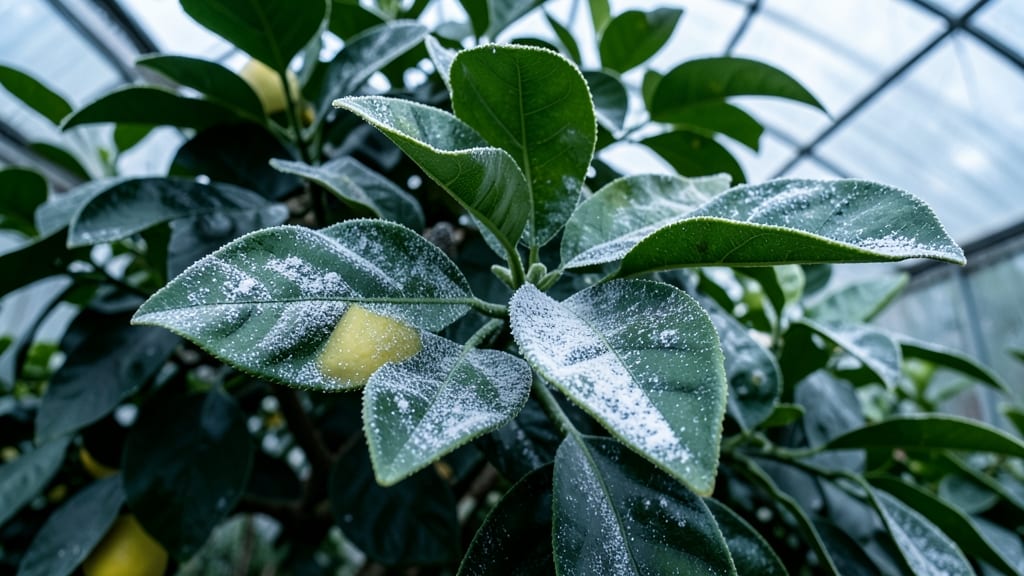
That powdery white dusting on your lemon tree leaves isn’t just unsightly—it’s powdery mildew, the most common fungal foe of citrus trees. This pesky pathogen thrives in humid conditions (think summer afternoons or crowded greenhouses) and can slash your fruit yield by up to 30% by blocking sunlight and weakening photosynthesis.
Start by pruning heavily infected leaves to improve airflow, then spray the undersides (where spores love to hide) with a 1:10 baking soda-water mix or neem oil solution. For severe cases, repeat treatments every 7-10 days until new growth appears. The key is consistency—this fungus spreads faster than you can say "lemon curd."
Citrus growers in coastal or tropical climates will find this especially troublesome, but even container gardeners aren’t safe. Catching it early means more lemons for your next batch of homemade preserves! 🌱
White Rust Fungus on Citrus Fruit
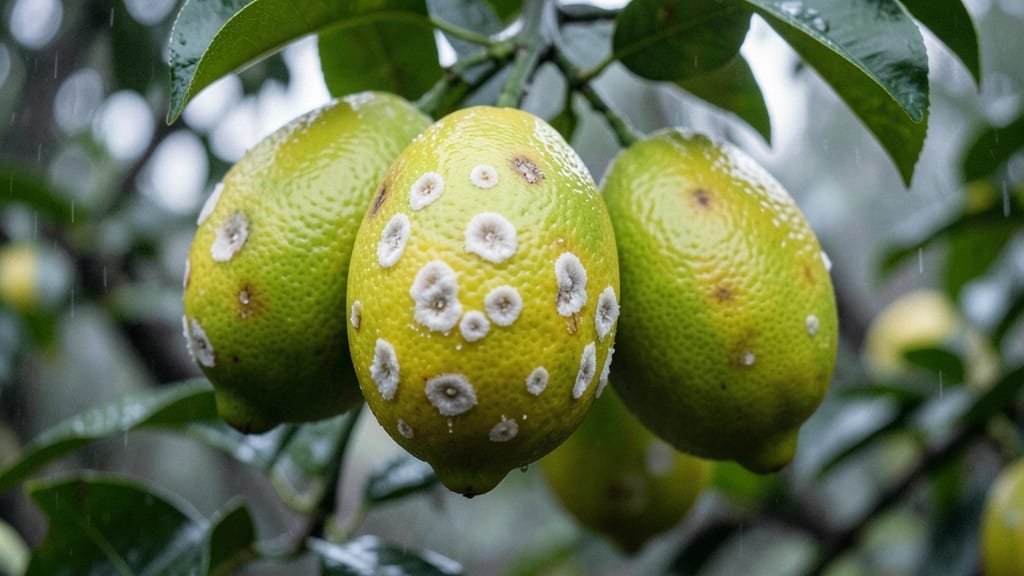
If your lemons look like they’ve been pecked by birds—only to reveal white pustules instead of bite marks—you’re dealing with white rust fungus, a sneaky citrus disease that thrives in wet climates and directly ruins fruit quality. Unlike powdery mildew, this fungus attacks the fruit itself, leaving unsightly bumps that compromise flavor and marketability.
White rust spreads through spores splashing from soil or infected leaves, so prune infected fruit immediately and dispose of it (don’t compost). In wet regions, apply a copper fungicide spray every 2–3 weeks during rainy seasons, and improve air circulation around your tree. For organic control, mix 1 teaspoon baking soda + 1 quart water + a drop of dish soap, and spray thoroughly on both leaves and fruit.
Citrus growers in humid zones should monitor fruit closely—this fungus can defoliate trees if left unchecked. Early action saves your harvest and keeps your tree productive. 🌟
Sooty Mold from Honeydew-Secreting Pests
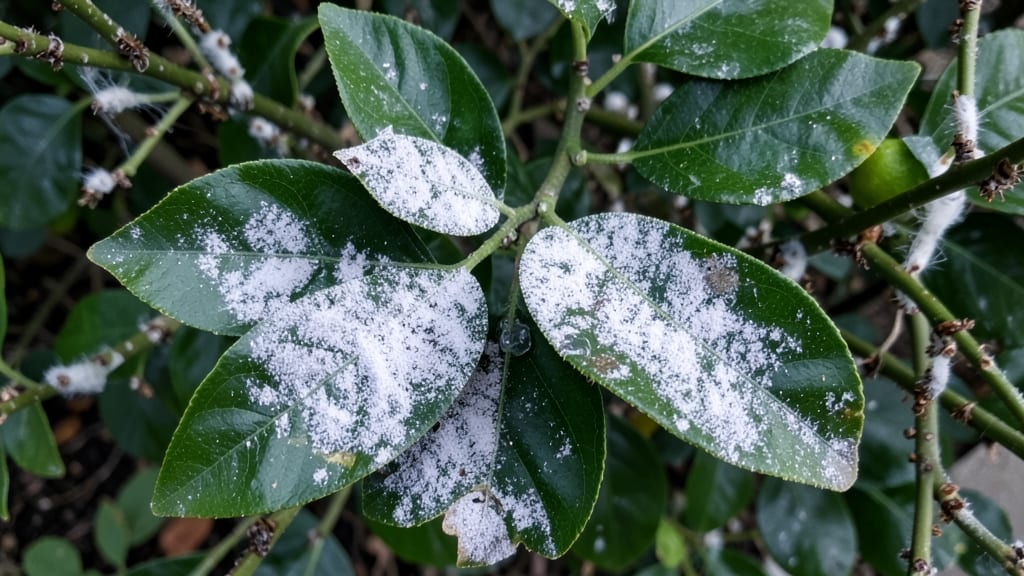
That white-gray film covering your lemon tree leaves isn’t a fungus—it’s sooty mold, a secondary invader that thrives on sticky honeydew left behind by aphids, scale, or mealybugs. Unlike direct fungal infections, sooty mold doesn’t invade tissues but smothers leaves, blocking sunlight and starving your tree of energy.
First, tackle the pests with a strong blast of water (aphids hate it!) or apply neem oil to disrupt their life cycle. Once pests are gone, wipe moldy leaves with a damp cloth or spray with a mild soap solution (1 tsp dish soap per quart of water). Prune heavily infested branches to improve airflow, which discourages future outbreaks.
This issue is a warning sign for citrus growers—if you spot honeydew droplets or tiny pests first, you’ve caught it early enough to save your tree’s health. 🌿
White Mold on Lemon Tree Soil
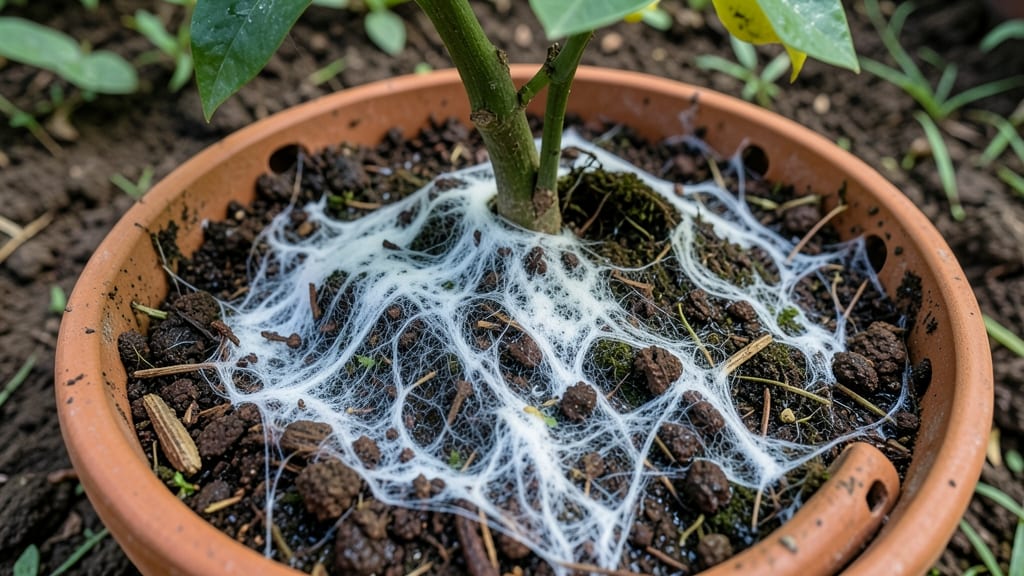
Spotting white mold creeping across your lemon tree’s soil isn’t just unsightly—it’s a red flag for overwatering or poor drainage, even if the roots seem fine. Unlike leaf fungi, this surface-level growth thrives in consistently damp conditions, creating the perfect breeding ground for more serious issues like root rot down the line.
First, stop watering until the top 2-3 inches of soil feel dry. Improve drainage by mixing in perlite or coarse sand (20% of the soil volume) to break up compacted potting mix. If your tree is in a pot, check for drainage holes—without them, excess moisture lingers, fueling the mold. For existing mold, sprinkle food-grade diatomaceous earth lightly on the soil surface to disrupt fungal threads without harming roots.
This issue is especially critical for container-grown lemon trees, where root systems are confined and vulnerable. Addressing it now prevents a slow decline that’s harder to reverse later. 💡
Downy Mildew on New Lemon Leaves
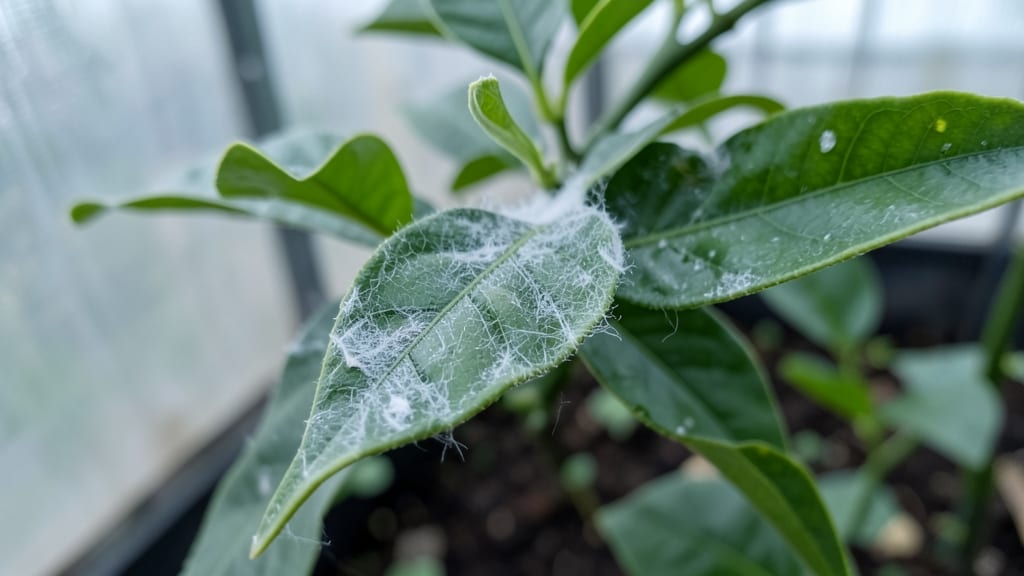
If your lemon tree’s newest leaves are curling upward with a white fuzzy coating on the undersides, you’re likely dealing with downy mildew—a sneaky but aggressive fungal infection that stunts growth faster than powdery mildew.
Unlike its more common cousin, downy mildew thrives in cool, damp conditions (50–75°F) and spreads via spores carried by wind or water. The first sign? Young leaves curling while their undersides develop a cottony white growth. Prune infected leaves immediately and improve air circulation by spacing plants 3–4 feet apart. For organic control, spray a baking soda solution (1 tsp baking soda + 1 quart water + a drop of dish soap) every 7–10 days during humid mornings.
This fungus is particularly dangerous for young trees, as it halts new growth and weakens the plant’s ability to photosynthesize. Container growers should avoid overhead watering and ensure pots have drainage holes to prevent soil moisture buildup. 🌱
White Fungal Spots on Lemon Fruit Skin
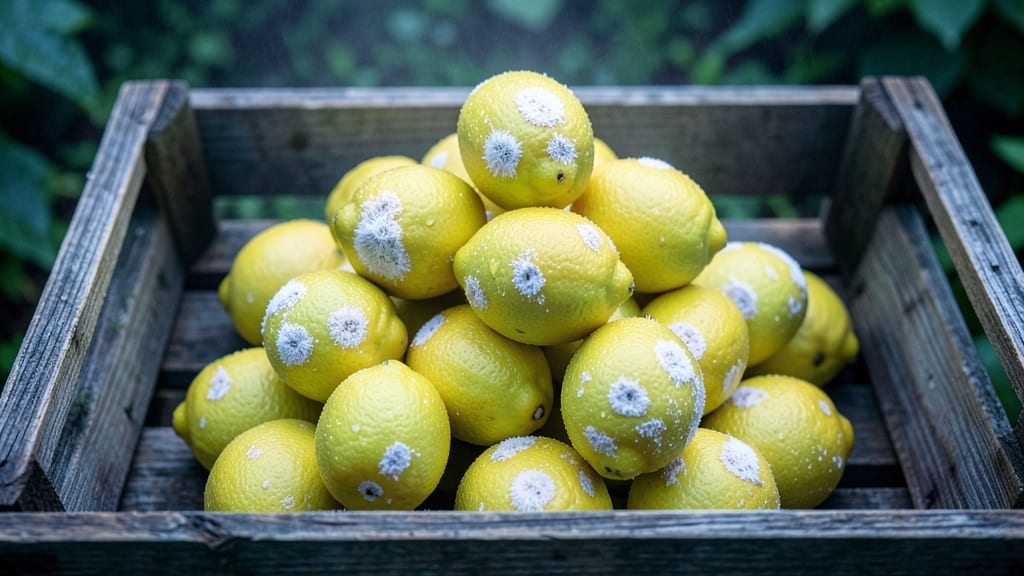
Those pristine, market-ready lemons suddenly covered in white fungal spots can be heartbreaking—but here’s the good news: this issue rarely ruins the fruit itself. These superficial spots, often caused by high humidity or poor air circulation, are more about aesthetics than health, but they can still make your harvest unsellable or unappetizing.
To fix it, focus on improving airflow by pruning dense branches and spacing trees properly. A baking soda spray (1 teaspoon per quart of water with a drop of soap) applied every 7-10 days can help prevent new spots. Avoid overhead watering, which worsens humidity around the fruit. Most importantly, don’t discard the fruit—just wash it thoroughly before use.
This issue is especially frustrating for home gardeners selling lemons at markets, but the solution is simple and effective. With better airflow and regular sprays, you’ll keep your fruit looking—and tasting—perfect. 🌟
Root Rot Fungus in Waterlogged Lemon Trees
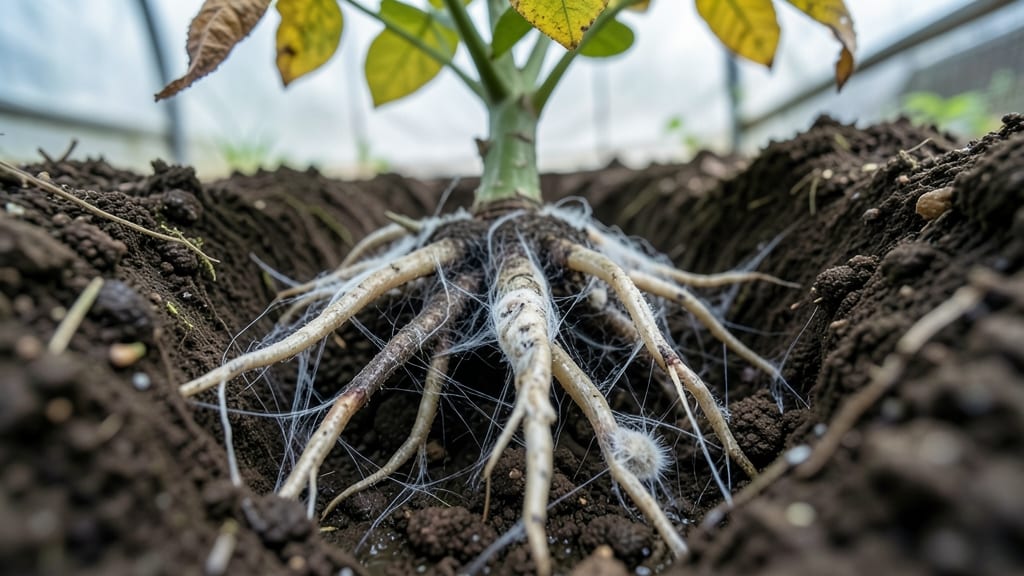
If your lemon tree is wilting despite regular watering, the culprit might be lurking below the soil—white fungal threads at the root interface. Unlike above-ground fungi, this root rot steals oxygen from roots, causing them to suffocate and turn mushy, even when the soil feels damp.
Check for discolored or slimy roots when repotting or inspecting the soil. The fix starts with draining excess water: amend heavy soil with perlite or sand, and ensure pots have drainage holes. For infected roots, trim away mushy sections with sterilized shears and repot in fresh, well-draining mix to starve the fungus. Hydrogen peroxide (3%) sprayed on roots before repotting can also help disinfect.
This hidden threat is especially dangerous for container-grown lemon trees, where waterlogged roots go unnoticed. Act fast—once root rot spreads, recovery becomes nearly impossible. 💡
White Fuzz on Lemon Tree Trunk
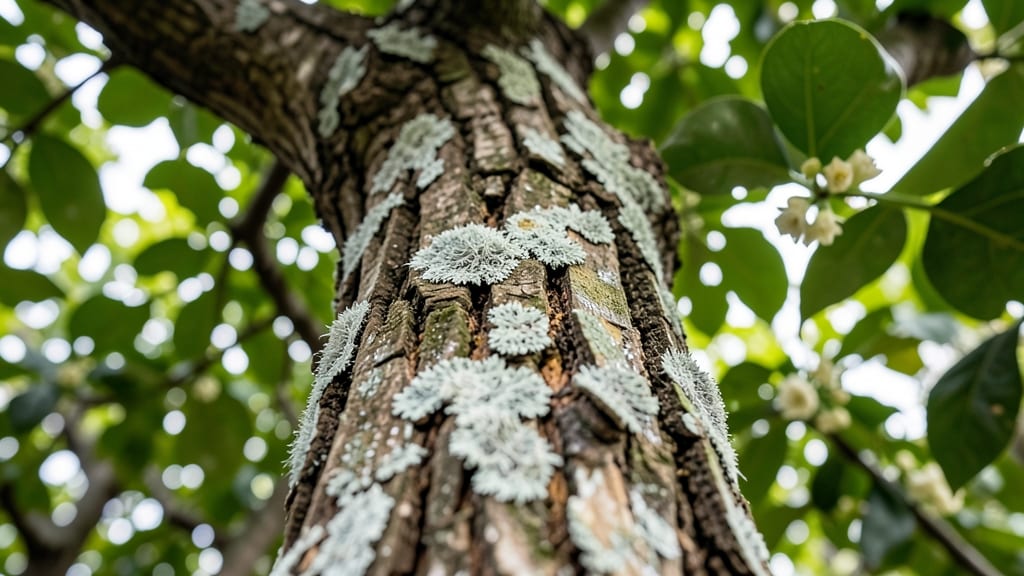
That white fuzz creeping up your lemon tree trunk might look alarming, but it’s often just lichen or harmless mold—nature’s way of telling you the air is clean. Unlike leaf infections, this growth rarely harms the tree itself, but it can signal excessive moisture in the environment.
Before panicking, gently scrape a small patch with your fingernail. If the bark underneath is firm and healthy, you’re dealing with lichen or mold, which thrive in humid conditions. However, if the trunk feels soft or discolored, this could indicate deeper rot from overwatering or poor drainage—act fast by improving airflow and adjusting your watering schedule.
This is great news for urban gardeners with limited space, as trunk fuzz rarely requires treatment. Just keep an eye on moisture levels to prevent more serious issues down the line. 🌿
Alternaria Leaf Spot with White Centers
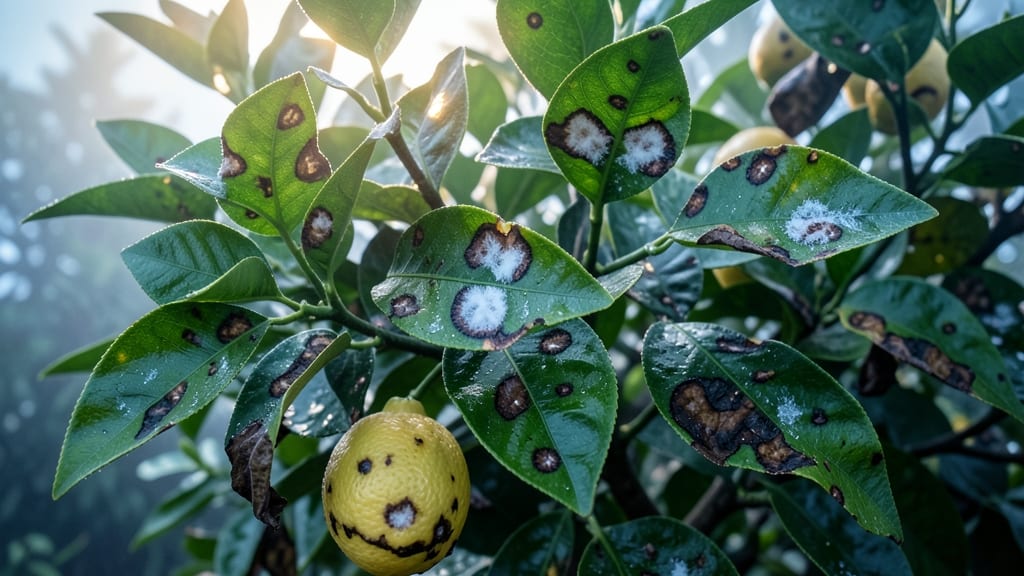
If your lemon tree leaves suddenly develop dark brown spots with white centers, you’re likely dealing with Alternaria leaf spot—a fungal disease that spreads rapidly in warm, wet conditions. Unlike powdery mildew, this aggressive pathogen can defoliate your tree if left untreated, leaving it vulnerable to pests and sunburn.
Look for concentric rings on the spots, which distinguish Alternaria from other fungal issues. Prune infected leaves immediately and dispose of them in the trash (not your compost). Improve air circulation around the tree by spacing branches apart, and avoid overhead watering to keep leaves dry. A preventive spray of neem oil or copper fungicide every 2-3 weeks during humid seasons can stop it before it starts.
This disease is especially dangerous for container-grown lemon trees, where poor airflow accelerates spread. Gardeners in coastal or tropical climates should monitor their trees closely during summer rains. 🌟
White Fungal Growth in Lemon Tree Pruning Wounds

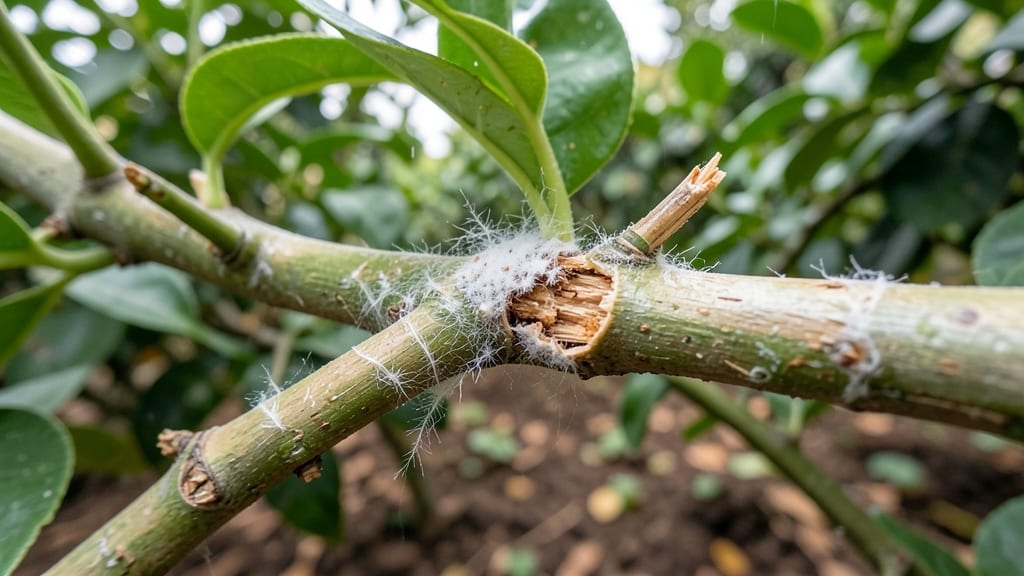
Fresh pruning wounds on your lemon tree might look clean, but they’re prime real estate for white fungal invaders—often ignored until the damage spreads. These fungal spores lurk in the air and soil, seizing the opportunity to infect exposed wood, especially in warm, damp conditions.
To prevent this, always use sterilized pruning tools and make cuts just outside the branch collar. After pruning, apply a thin layer of fungicidal spray (like neem oil or copper-based solutions) to seal the wound. Avoid pruning during rainy seasons, as moisture accelerates fungal growth. If you spot white fuzz at a cut, clean the area with rubbing alcohol and reapply fungicide.
This simple step can save your tree from hidden infections that weaken branches over time—perfect for citrus growers who prioritize long-term health over quick fixes. 💡